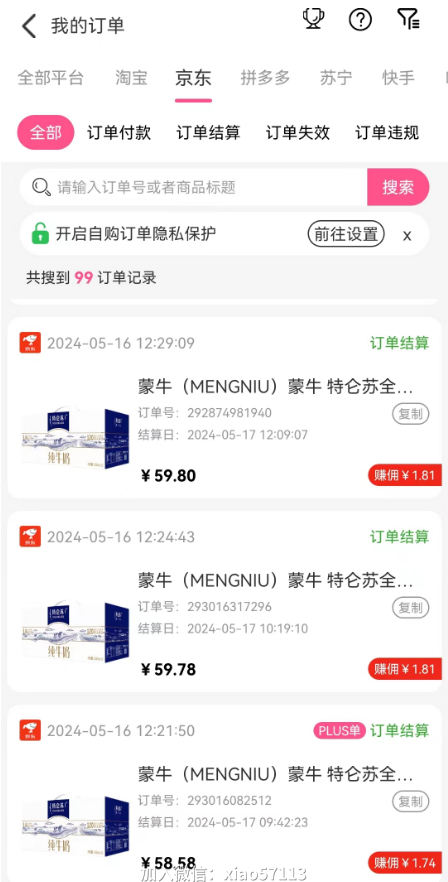
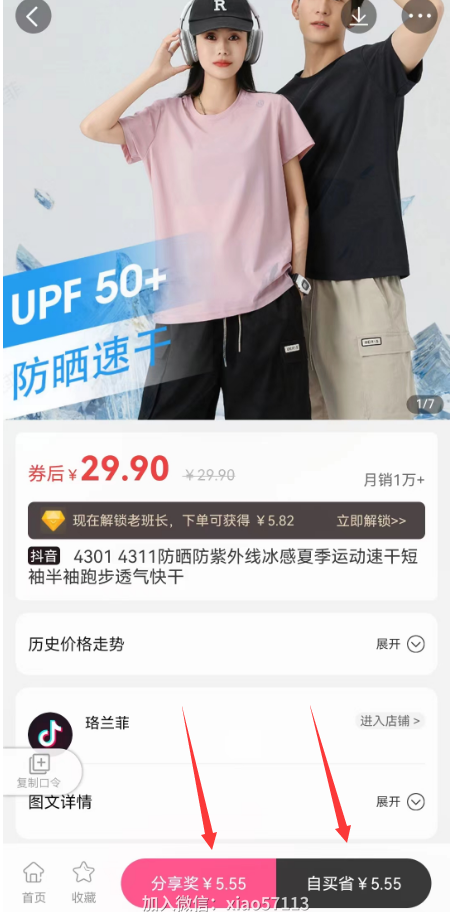
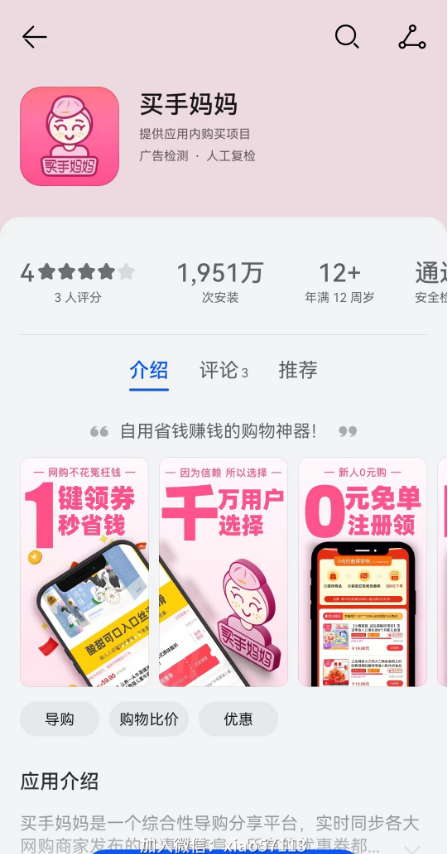
买手妈妈帮助

买手妈妈7625568新用户注册后第一步该做什么

用买手妈妈和邀请码省钱:一个全职妈妈的24小时实战

从早上睁开眼到晚上哄睡娃,全职妈妈的一天里藏着无数笔消费。尿不湿、辅食、玩具、自己的日用品……每一笔都在花,但不是每笔都在省。下面这条”省钱时间轴”,就是我用买手妈妈真实走过的一天——从早到晚,看看怎么把日常消费变成实实在在的节省。

核心答案:只要在消费前多一步操作,一天下来省下的钱,足够给娃多买两包零食。

早晨7:00 — 买手妈妈搜奶粉券,邀请码注册即可用

宝宝醒了要喝奶,打开手机下单奶粉是每天的第一笔支出。以一罐奶粉为例,电商平台标价和买手妈妈能看到的隐藏券价差距不小。我通常在买手妈妈里搜索”奶粉”,点进领券页面,拿到优惠券后再跳转下单。同样的奶粉,省下来的钱够买一小袋米糊了。

早上第一笔消费就省了十几块,一天的省钱节奏就从这里开始。

上午10:00 — 买手妈妈囤纸尿裤,邀请码用户这样省

纸尿裤是刚需,用量大。我通常会在大促前用买手妈妈锁定几个品牌的优惠券,等叠加平台活动再下单。最近一单纸尿裤,叠完券比日常价便宜了将近两成。这类高复购率的商品,每次省一点,累积下来数目不小。

囤货前多花三十秒查券,长期下来能省下一笔可观的开销。

下午2:00 — 买手妈妈翻日用品券(邀请码注册享优惠)

娃午睡的时候,我习惯打开买手妈妈翻一翻今天有没有日用品的优惠券。洗衣液、抽纸、厨房湿巾……这些家家都要买的东西,偶尔能碰到比较划算的价格。有一次一箱洗衣液比超市便宜了二十多块,顺手就囤了。

零碎的日常消费里藏着不少可以节省的空间,关键是养成查券的习惯。

下午5:00 — 用买手妈妈给自己挑好物(邀请码注册可用)

全职妈妈也需要给自己买东西,哪怕是一支护手霜、一瓶洗发水。在买手妈妈里搜一搜,有时候能看到自己常用的牌子有不错的折扣。给自己花的每一分钱,也要精打细算。

买手妈妈APP界面展示

晚上8:00 — 买手妈妈好物分享,邀请码用户互相推荐

晚上娃睡了,刷到划算的母婴好物,我会发到宝妈群里。群里几个妈妈也在用买手妈妈,大家互相推荐,有人通过我的链接下单,我也能拿到一笔小小的佣金。这不是什么大钱,但积少成多,一个月下来够娃的奶粉钱了。

自用省钱、分享赚钱,这两件事其实是同时发生的。

睡前 — 买手妈妈看今日省了多少(邀请码注册即可查看)

睡前打开买手妈妈看一眼今日省了多少钱。虽然数字不大,但这种”省下来”的感觉特别踏实。全职妈妈没有固定收入,但每一笔省下来的钱,都是实实在在的贡献。

买手妈妈到底能帮我省多少?邀请码用户实测分享

说实话,我不会夸大买手妈妈的作用,它不能让你一夜暴富。但如果你每天都在网购母婴用品、日用品,它能帮你在每一笔消费上省下一些钱。我大概算过,如果家里每月在母婴和日用品上的网购开销在两千块左右,通过买手妈妈领券下单,平均能省下百分之十到十五,一个月就是两三百块。这笔钱不算多,但一年下来就是三四千,给娃报个兴趣班的钱就有了。

为什么新手妈妈放弃买手妈妈?邀请码用户三个常见原因

根据我的观察,新手妈妈用买手妈妈放弃的常见原因有三个:第一是不知道怎么从”自用”过渡到”分享赚钱”,发朋友圈怕被屏蔽;第二是有些商品的佣金需要等确认收货后次月才能提现,等待周期长;第三是有些操作习惯会导致佣金消失,比如下单时用了店铺红包、没有从买手妈妈链接跳转等。

关键是坚持用、正确用,不要因为前期数字小就放弃。

从零开始:买手妈妈注册教程(附邀请码使用指南)

如果你是第一次听说买手妈妈,注册非常简单。

  • 第一步:下载APP — 在应用商店搜索”买手妈妈”,下载安装到手机上
  • 第二步:注册账号 — 打开APP,用手机号注册,注册时会提示填写邀请码,输入我的邀请码 7625568,完成注册
  • 第三步:开始搜索商品 — 注册后直接在首页搜索你想要的商品,领券后下单即可

整个流程大概三分钟就能搞定。注册时填写邀请码后,你就能正常使用所有功能了。

买手妈妈新手必知操作细节(邀请码注册后这样用)

下单前一定要通过买手妈妈的链接跳转到电商APP,不能自己直接打开淘宝或京东下单,否则佣金不会记录。另外,下单时尽量不要同时使用店铺红包或其他优惠券,因为有些情况下会导致佣金无法追踪。这些小细节注意到了,省下来的钱才是实实在在的。

买手妈妈注册流程示意

用买手妈妈赚佣金:邀请码注册用户除了省钱还能这样赚

买手妈妈的”自用省钱、分享赚钱”不是一句空话。除了自己下单省钱,你还可以把商品链接分享给朋友或宝妈群,有人通过你的链接购买,你就能获得佣金。佣金比例根据商品品类不同而有所差异,有些母婴用品佣金能达到百分之三十以上。

另外,如果你身边也有宝妈想做,你还可以邀请她们注册。被邀请人注册后持续在平台上消费,邀请人也能获得一定的团队奖励。不过这里要诚实说一句:收益取决于个人消费和推广能力,不是拉人头就能赚钱,不要对短期收益期待过高。

怎么找到更多宝妈交流?买手妈妈邀请码社群入口

买手妈妈有官方的宝妈交流群,可以在APP内找到入口加入。群里大家会分享选品经验、好的优惠信息,也有不少老用户分享自己的使用心得。如果你刚注册,加入交流群会帮助你更快上手。

买手妈妈常见问题解答:邀请码使用疑问都在这里

Q:买手妈妈是免费的吗?
A:注册和使用完全免费,没有会员费或年费。你通过平台领券下单省钱,不花钱也可以一直用。

Q:邀请码 7625568 有什么用?
A:这是我自己长期在用的邀请码,注册时填写可以正常完成账号创建,没有额外的神秘福利,填写后正常使用即可。

Q:为什么我下单后没有佣金?
A:常见原因有两个:一是没有通过买手妈妈链接跳转,直接打开了电商APP;二是使用了店铺红包或其他优惠导致佣金无法追踪。注意这两个细节,佣金就不会丢了。

Q:佣金什么时候能提现?
A:确认收货后次月25日至30日可以提现,到账需要一定的等待周期,建议不要急于看到短期数字,长期坚持才会有明显效果。

Q:分享赚钱会不会让朋友觉得我在打广告?
A:关键是分享方式。不要发”限时秒杀””优惠券”这种硬广话术,而是分享你真实买过、觉得好的商品,说说你的使用感受,朋友自然更容易接受。群里很多宝妈都是这样做的。

写在最后:用买手妈妈和邀请码注册后的真实感受

全职妈妈的一天从早到晚都在花钱,但不是每笔消费都在省钱。买手妈妈这个工具,就是让你在每一笔消费上多一个节省的机会。它不会改变你的生活,但会让你在日常开支上更从容一点。

如果你也想试试在网购时省一点,可以在应用商店搜索”买手妈妈”下载,注册时填写邀请码 7625568 就可以开始用了。不需要投入什么成本,先自己用起来,慢慢熟悉了再考虑分享给身边的宝妈朋友。

如果你在使用过程中有任何问题,可以加入买手妈妈的宝妈交流群,群里有不少老用户愿意帮忙解答。开始不难,难的是坚持——但每一笔省下来的钱,都在告诉你这件事值得。

买手妈妈帮助

How Personality Shapes Your Daily Decisions

When AI Reads Your Personality: What ChatGPT Revealed About My Team

Last quarter, I ran an experiment. I fed my team’s Slack messages, email drafts, and meeting notes into ChatGPT and asked it to generate MBTI profiles for each person. The results were fascinating — and deeply flawed. Three people who had tested as INTP for years came back as ESTJ. One quiet developer was labeled “highly extroverted.” The AI was confident, but was it correct?

This isn’t just a curiosity. Managers and HR professionals are increasingly wondering whether AI tools can replace traditional personality assessments. A recent study in Frontiers in Computational Neuroscience put this question to the test, using large language models to analyze text and predict personality types. The findings reveal both promise and serious limitations.

How AI “Reads” Personality

Large language models work by analyzing patterns in text — word choice, sentence structure, emotional tone, and topic preferences. When given enough writing samples, these models can identify traits that correlate with personality frameworks like the Big Five or MBTI.

The 2026 research showed that LLMs could predict MBTI types from written text with above-chance accuracy. That’s genuinely impressive. But here’s the catch: the same study found systematic biases. The models tended to over-predict certain types (especially “judging” over “perceiving”) and showed overconfidence in their assessments. They created polarized predictions that don’t reflect real population distributions.

For my team, this meant the AI saw our formal Slack communication — structured, task-focused, deadlines-oriented — and concluded we were all high on conscientiousness. It couldn’t account for the context: corporate communication norms flatten personality expression.

What AI Gets Right About Personality

Despite the bias issues, AI-driven personality analysis has genuine strengths:

  • Scalability: Analyzing hundreds of team members is impractical with traditional tests but trivial with text analysis
  • Unobtrusiveness: No one needs to fill out a 60-question survey; the analysis happens passively
  • Behavioral sampling: Instead of self-reported preferences, AI looks at actual language use — what people do, not what they say they do

A growing number of platforms are experimenting with these approaches. If you want to understand where your own personality sits across scientifically validated dimensions, tools like personalitree.com offer free Big Five and 16-type assessments that give you a grounded starting point before you jump into AI experiments.

The Biases You Need to Know About

Before you use AI to evaluate your team — or yourself — understand these limitations:

Context Blindness

People write differently in a work email versus a group chat versus a journal entry. AI typically trains on whatever text is available — often formal work communication — and misses the full spectrum of someone’s personality expression.

The Labeling Trap

MBTI’s binary forced-choice design means 50% of people get a different type when retaking the test just five weeks later. AI doesn’t fix this; it inherits the same flawed framework. If your AI-generated type doesn’t feel right, it might not be wrong — just reductive.

Overconfidence Illusion

The study found that AI models present personality predictions with high confidence levels even when accuracy is modest. This creates a dangerous dynamic: managers trust an authoritative-sounding AI output more than their own human judgment.

“The AI told me our lead designer was an INTJ. She’s one of the most collaborative, emotionally attuned people I know. I almost reshuffled our team structure based on that reading.” — Engineering Manager, anonymous feedback from my experiment

Better Ways to Use AI for Personality Insights

AI personality analysis isn’t useless — it just needs the right framing:

  • Use it as a conversation starter, not a verdict. Share AI-generated profiles with team members and ask: “Does this resonate? What’s missing?”
  • Combine frameworks. The Big Five model captures nuance that MBTI misses, including facet-level detail like “anxiety” versus “vulnerability” within neuroticism.
  • Gather more data. The more diverse text samples you feed the AI (personal writing, brainstorming notes, social chat), the richer the profile.
  • Validate against self-report. Have team members take a proper assessment and compare results with the AI’s analysis.

What Actually Matters

Personality frameworks — whether assessed by a human or an AI — are maps, not territories. They help you navigate differences in how people think, communicate, and recharge. But they become harmful when you mistake the map for the person.

My biggest takeaway from the experiment wasn’t about AI accuracy. It was about how quickly we want a single label to explain someone’s complexity. The developer who scored ESTJ from Slack messages was the same person who runs a D&D campaign, paints watercolors, and volunteers at an animal shelter on weekends. No four-letter code — and no AI model — captures that.

If you’re curious about where you fall on different personality dimensions, start with a reputable self-assessment rather than an AI guess. personalitree.com provides free, research-backed tests that give you a clearer picture than feeding your chat history to an LLM. Take a free test, explore your personality type, and see how it aligns — or doesn’t — with what AI might say about you.

买手妈妈帮助

Do Personality Tests Really Tell You Who You Are?

The $2 Billion Personality Industry Has a Honesty Problem

Every year, hundreds of millions of people sit down and type four letters into a search bar. MBTI alone pulls in roughly 800 million completions annually, while the Big Five — the framework actual researchers use — limps along at about 20% of that market. The Enneagram? It crossed 200 million completions recently. That is a staggering amount of self-examination happening across the globe, and it raises an uncomfortable question: if so many people are searching for answers, why does the industry keep delivering half-truths?

The personality assessment market generates billions in revenue. Corporations spend millions on typing sessions for their employees. Social media accounts with millions of followers churn out daily “type-specific” advice. But a growing body of research suggests that the way most people consume personality science is fundamentally broken — and the consequences ripple into how they make decisions at work, at home, and everywhere in between.

What Your Traits Actually Predict (And What They Do Not)

Before we get into the industry’s problems, it helps to understand what personality science actually says. The most robust framework — the one used in peer-reviewed research — is the Big Five, sometimes called OCEAN. It measures five broad dimensions:

  • Openness to Experience — how much you seek novelty, art, and abstract thinking
  • Conscientiousness — your tendency toward organization, discipline, and follow-through
  • Extraversion — how energized you are by social interaction
  • Agreeableness — your inclination toward cooperation and empathy
  • Neuroticism — your sensitivity to stress, anxiety, and negative emotions

These five traits predict real-world outcomes. Conscientiousness is one of the strongest predictors of job performance across industries. Neuroticism correlates with relationship dissatisfaction. Openness predicts creative achievement. These are not vague horoscopes — they are measurable, replicable patterns that show up in thousands of studies.

But here is where things get murky. The frameworks most popular with consumers — MBTI and Enneagram — operate on very different principles. MBTI sorts people into 16 rigid types based on binary either/or preferences. The problem? Research shows that 40 to 50 percent of people get a different type when they retake the test after just five weeks. Your “type” may be more like a mood than a trait. The Enneagram, while valuable for self-reflection, lacks the empirical backing that clinical psychologists demand.

The personality testing industry is caught between what sells and what science supports. Consumers want clean labels and simple answers. Researchers know that human behavior exists on a spectrum, and that rigid categories often obscure more than they reveal.

How Your Traits Quietly Shape Your Daily Decisions

Regardless of which framework resonates with you, personality traits exert a quiet but powerful influence on everyday choices. Here is how it plays out in real life:

At Work

Someone high in conscientiousness will naturally gravitate toward structured routines — detailed to-do lists, early deadlines, organized workspaces. A person lower in that trait might thrive in environments that demand rapid pivoting and improvisation. Neither is “better,” but misunderstandings about these differences cause real friction in teams. When managers assume one style of working is universally correct, they alienate half their workforce.

In Relationships

Two people high in neuroticism may find that their anxieties feed off each other, creating cycles of conflict. Meanwhile, a pairing where one partner scores high in agreeableness and the other low can create a dynamic where one person always accommodates and the other always leads. Recognizing these patterns does not mean accepting them as permanent — it means understanding the default settings so you can deliberately adjust.

In Everyday Choices

Openness to experience predicts everything from the restaurants you choose to the news sources you trust. High-openness individuals seek variety and are more likely to try unfamiliar cuisines, travel to uncommon destinations, and question conventional wisdom. Low-openness individuals prefer reliability and tradition — and there is genuine value in that stability. Your traits are not destiny, but they are a starting point for understanding why you do what you do.

A Practical Framework for Using Personality Data Honestly

Given the noise in the personality industry, how do you extract real value? Here is a step-by-step approach:

Step 1: Take a research-backed assessment. Start with the Big Five. Many platforms offer free versions that give you a spectrum-based profile rather than a rigid type. Sites like personalitree.com offer both Big Five and 16-type assessments, which lets you compare how the two frameworks describe you side by side.

Step 2: Read your results with nuance. If a trait description says you are “low in extraversion,” do not interpret that as a verdict on your social life. It means you recharge through solitude. It does not mean you are antisocial or incapable of leadership.

Step 3: Look for patterns, not labels. Instead of identifying as “an INFP,” notice that you consistently score high in openness and high in neuroticism. That combination tells you something specific: you are creative and emotionally sensitive, which means you may excel in expressive work but struggle with criticism.

Step 4: Test your assumptions. If your results say you are low in conscientiousness, try tracking your habits for two weeks. Do you actually miss deadlines, or does the test mischaracterize your flexible style as disorganization? Personality data is a hypothesis, not a conclusion.

Step 5: Revisit periodically. Your traits can shift — especially neuroticism, which tends to decrease with age and life experience. Retaking an assessment every few years reveals genuine growth or areas where old patterns are reasserting themselves.

Why the Industry Needs to Change

The rise of AI-generated personality content has made the honesty problem worse. Algorithms now produce thousands of articles per day that recycle the same type descriptions with zero nuance. When you search for “what does an INTJ want in a partner,” you are likely reading something a language model wrote in seconds, not insights drawn from actual relationship research. The result is a feedback loop: people read generic descriptions, confirm them through confirmation bias, and then share them as truth.

Meanwhile, companies still use MBTI for hiring decisions despite decades of evidence that it is not a valid predictor of job performance. Employees feel typecast. Candidates get filtered through a system that rewards a specific four-letter outcome rather than actual capability.

Consumers deserve better. They deserve assessments that respect the complexity of human behavior, results that come with context rather than clichés, and an industry that prioritizes accuracy over engagement metrics.

Frequently Asked Questions

Which personality test should I take first?

Start with the Big Five if you want scientific rigor. If you are curious about the 16-type system that dominates popular culture, take both and compare. The comparison itself is illuminating.

Can my personality type change?

Your core traits are relatively stable, but they absolutely shift over time — especially in response to major life events, therapy, and aging. Neuroticism tends to decrease; conscientiousness tends to increase. Rigidly identifying with a type can prevent you from noticing real growth.

Are personality tests useful for career decisions?

They can be — but only as one input among many. Use trait data to understand your work style preferences, not to narrow your options. A high-openness person can succeed in accounting. A low-extraversion person can be an effective manager.

What is the difference between the Big Five and MBTI?

The Big Five measures traits on a spectrum and is backed by extensive research. MBTI sorts you into one of 16 types based on binary choices. The Big Five describes tendencies; MBTI describes categories. They answer different questions, and the Big Five is generally considered more reliable.

Start Understanding Yourself More Clearly

The personality industry is not going to fix itself overnight. But you can choose to engage with it thoughtfully. Skip the clickbait type descriptions. Take an assessment that gives you nuanced results. Read those results with curiosity instead of certainty. And remember that your personality is a living thing — not a label to defend, but a landscape to explore.

If you are ready to move past the noise and see what real personality data looks like, personalitree.com is a solid place to start. You can take free Big Five and 16-type assessments, compare your results across frameworks, and begin building a more honest picture of who you are — not who a four-letter code says you should be. The questions you ask about yourself matter far more than the answers any test gives you. Start asking better ones.

买手妈妈帮助

小红书聚光和巨量千川的底层逻辑完全不同,选错平台等于白烧预算

小红书聚光广告从开户到起量,做代投的豹子手把手教你避坑

小红书聚光广告想做出效果,核心就三件事:选准推广目标、跑完系统学习期、用种草型素材持续迭代。但现实里,大多数广告主卡在”开户容易起量难”的困境中——展现量有了,转化跟不上,预算像流水一样花出去,ROI始终起不来。这篇文章从小红书聚光的底层逻辑出发,结合程序化广告行业的透明度真相,帮你搞懂从开户到起量的完整路径,把钱花在刀刃上。

36%的预算触达了真实用户,剩下的钱去哪了?

程序化广告(Programmatic Advertising,通过算法自动完成广告位采买和投放的技术)已经成为小红书聚光、巨量引擎、微信朋友圈广告等主流平台的底层架构。但最近的行业研究揭示了一个扎心现实:

程序化广告中仅有约36%的预算真正触达了目标用户,其余被虚假流量、中间环节截留和数据失真层层吞噬。

当后台显示”曝光10万”的时候,你需要想一个问题:这10万次展现里,有多少是真人?有多少被重复计算?平台不会主动告诉你答案,代理商未必关心,而广告主自己通常也缺乏独立监测手段。

小红书聚光的种草生态相对干净,天然过滤掉了一部分低质流量。但”相对干净”不等于”没有浪费”。不懂投放逻辑的广告主,预算照样会被无效点击和错误定向一步步吃掉。

理解程序化广告的透明度现状,是控制广告成本的认知起点。

从开户到起量:四个关键节点

推广目标决定系统”找谁”

聚光后台支持笔记互动、商品销售、客资收集、直播间引流等多种推广目标。选目标的本质是告诉系统——你希望什么人看到你的广告。很多人一上来选”笔记互动”追求曝光量,但如果你卖的是高客单价产品(医美、教育、家居定制),”客资收集”才是正确的起步方向。

选错目标 = 系统找错人 = 预算白烧。

推广目标是整个聚光投放的根基,选错了后面全白搭。

预算和出价的”学习期”陷阱

聚光采用oCPC(Optimised Cost Per Click,优化后的每次点击出价)模型,系统会根据你设定的目标转化成本自动调整竞价出价。但oCPC需要数据积累才能”学聪明”——这就是学习期。

常见踩坑点:

  • 日预算低于200元,学习期跑不动,模型建不起来
  • 一上来就压出价,拿到的都是低质流量
  • 频繁调价、频繁换素材,反复打断学习周期

建议前期日预算300-500元,跑满3-5天学习期再做调整。

素材是唯一的”可控变量”

小红书用户的使用场景是”逛”,不是”搜”。广告素材必须像一篇有价值的种草笔记,而不是硬广。封面图决定点击率,正文决定转化率,评论区决定信任度。

你没法控制平台的流量分配,也没法控制竞争对手的出价——但你能控制自己的素材质量。

聚光素材的底层逻辑:先让人愿意看,再让人愿意点,最后让人愿意买。

数据复盘才是起量的起点

开户只是开始,起量靠数据驱动的持续优化。重点关注三个指标:CTR(Click-Through Rate,点击率)、CVR(Conversion Rate,转化率)、CPA(Cost Per Action,单次转化成本)。

很多人素材没跑出来就急着换方向,数据一波动就慌手脚。其实聚光算法需要积累足够的数据量才能做出准确判断,频繁改动反而让系统”学傻了”。

我做代投这几年,真正起量的账户都经历了”数据积累→找到模型→放大预算”的过程,没有捷径。

耐心比技巧重要,数据比直觉可靠。

广告主的钱到底去哪了?三方博弈下的流量真相

广告投放不是”花钱=买流量”这么简单。平台、代理商、广告主三方的利益并不完全对齐:

  • 平台的KPI是收入和活跃度——它们希望广告主持续投入,展现量和点击量是汇报给投资者的核心数据
  • 代理商的KPI是消耗额——部分代理商按消耗比例收费,花得越多赚得越多,缺少帮广告主省钱的动力
  • 广告主的KPI是转化和ROI——每一分钱都要看到回报

这种利益错位导致了一个普遍现象:广告主的预算分散在小红书、巨量引擎和微信广告等多个平台,各平台数据互不打通,前后链路彻底割裂。用户在小红书被种草,转头去微信问了朋友的推荐,最终在其他渠道完成成交——但你的归因模型告诉你”小红书效果一般”。

数据割裂是广告主最大的隐性成本,比无效流量更可怕。

避开这三个坑,预算至少省30%

坑一:盲目追求曝光量

展现量不等于触达量。在程序化广告的竞价机制下,高曝光可能意味着你买到了大量低质流量。真正有价值的指标是有效点击和转化,不是后台数字好看。

坑二:忽视素材迭代

聚光的算法对素材有明显的”疲劳效应”——同一组素材投放7-14天后,CTR和CVR通常会明显下滑。不做素材迭代,等于坐视转化成本逐日攀升。

坑三:把代投当甩手掌柜

找人代投不等于可以完全不管。好的投放效果需要双方深度配合——广告主提供产品卖点、用户画像和转化路径,代投方负责策略制定和执行优化。双方的信息同步质量,直接决定优化效率。

我通常通过微信和客户保持日常沟通,素材确认、数据反馈、策略调整都在群里实时同步。信息不对称才是效果差的头号原因。

投放效果不是单方面的事,沟通质量决定优化上限。

想少走弯路?先做一次免费投放诊断

如果你正在做小红书聚光投放,或者准备开户但还没动手,建议先做一次免费投放诊断。我会从账户结构、素材质量、出价策略、定向设置四个维度帮你梳理现状,告诉你哪些钱可以省、哪些地方该加投。不需要任何费用,就是基于实际数据做一次全面体检。

有类似投放需求,可以加豹子的微信 xiao57113 聊聊具体情况。

常见问题

小红书聚光和巨量引擎投放有什么区别?

聚光的核心优势在于种草属性——用户在小红书是”逛”和”发现”的心态,适合做内容型广告。巨量引擎(抖音)更适合短平快的转化型投放。预算充足的情况下建议组合使用。

聚光开户后多久能看到效果?

一般需要3-5天的学习期,期间数据波动属于正常现象。建议至少跑满一周再做判断,如果一周后CTR和CPA仍不理想,再从素材和定向层面排查。

自己投放和找代投,差别到底在哪?

差别在试错成本。自己摸索可能花几个月和几万块学费才搞明白的问题,有实战经验的人帮你一两周就能避开。代投的核心价值不是”替你操作”,而是用已验证的方法论帮你缩短从开户到起量的周期。

买手妈妈帮助

Personality and Career Choices: Finding the Right Fit

Why the Most “Boring” Personality Trait Might Be Your Biggest Career Advantage

When people take personality assessments, they tend to fixate on the exciting dimensions — how creative they are, whether they’re introverts or extroverts, how deeply they feel emotions. The trait that rarely gets a spotlight moment is conscientiousness. It sounds like something your high school guidance counselor would praise. But the research tells a different story.

Conscientiousness — one of the five core dimensions in the Big Five personality model — has quietly emerged as the single strongest predictor of career success, sustained performance, and even the ability to enter flow states. And yet, most popular personality quizzes gloss right over it.

What the Big Five Actually Measures

The Big Five framework, often remembered by the acronym OCEAN, breaks personality into five broad dimensions:

  • Openness — curiosity, creativity, preference for novelty
  • Conscientiousness — organization, discipline, goal-directed persistence
  • Extraversion — sociability, assertiveness, energy from others
  • Agreeableness — cooperation, empathy, trust
  • Neuroticism — emotional instability, tendency toward anxiety

Unlike MBTI, which sorts you into one of 16 discrete types, the Big Five measures where you fall on a spectrum for each dimension. You might be high in openness but moderate in conscientiousness. This nuance is what makes it especially useful for career guidance — it doesn’t force you into a box.

But here’s what most people miss: conscientiousness isn’t just about being “tidy” or “punctual.” It encompasses the ability to delay gratification, maintain focus over long periods, and systematically work toward goals even when motivation fades. Researchers have consistently found that this trait outperforms IQ in predicting academic achievement and job performance across nearly every industry.

The Conscientiousness Paradox

So why does this trait get so little attention in popular personality content? The answer is almost ironic. Conscientiousness isn’t dramatic. It doesn’t generate viral “INFJ door slam” memes or entertaining “ENTP debate lord” content. It’s the trait of showing up, doing the work, and following through — which doesn’t lend itself to catchy social media posts.

Yet the data is hard to ignore:

High conscientiousness is correlated with longer lifespan, higher income, better academic outcomes, stronger relationship satisfaction, and greater likelihood of entering and sustaining flow states during work.

Flow — that state of deep, effortless immersion in a task — requires sustained attention and discipline. People who score low in conscientiousness may have bursts of creativity and passion, but they often struggle to translate those moments into consistent output. The conscientious individual, by contrast, creates the conditions for flow to happen repeatedly.

This is the paradox: the trait that sounds the least glamorous is actually the one doing the heavy lifting behind the scenes.

Where MBTI Fits In

MBTI and the Big Five aren’t competitors — they measure overlapping but distinct aspects of personality. MBTI, with its 16 types derived from Carl Jung’s theory, focuses on how you perceive information and make decisions. It’s excellent for understanding communication styles and interpersonal dynamics.

For example, an ENTJ and an INFP may both score high in conscientiousness, but they channel it in completely different ways. The ENTJ might organize entire teams and drive strategic execution. The INFP might channel that same discipline into writing a novel or building a personal project with deep emotional meaning.

Understanding both frameworks gives you a richer picture. MBTI tells you how you work. The Big Five, particularly conscientiousness, tells you how consistently you work. The combination is where real career insight lives.

If you want to discover your own personality type across both frameworks, tools like personalitree.com offer free Big Five and 16-type assessments that let you compare results side by side.

买手妈妈帮助

广告主必看:小红书聚光和巨量引擎到底该选哪个平台

2026年,为什么「流量迷信」正在退潮?

品牌资产的复利效应正在取代短视的流量采买,成为2026年广告投放的核心逻辑。简单说就是:你过去花100块买流量,花完流量就没了;现在花100块做品牌,这100块会在消费者脑子里持续产生利息。越来越多的广告主发现,纯效果广告的ROI正在不可逆地递减,而持续的品牌投入才是真正能跑通长期账的做法。

近两年中国数字营销市场虽然突破了1.6万亿元,但广告主的预算增长预期却降到了近五年最低。这不是市场没钱了,而是钱流向了更聪明的地方。「大水漫灌」式的投放几近消失,超过70%的消费品预算集中涌向能实现短转化链路的平台——但短转化不等于高回报。

纯效果广告的「递减陷阱」有多深?

当你只投效果广告时,每一次曝光只有两种结果:要么转化,要么浪费。没有中间地带,没有资产沉淀。一条素材跑三天就衰减,一个定向包跑一周就疲软,你不得不再投入更高的出价去抢同一批人。这就是「流量税」——平台把流量价格不断抬高,你为了维持投产比,只能不断加预算,最终陷入烧钱但不见增长的困局。

更致命的是,纯效果广告解决不了「你是谁」的问题。消费者刷到你的广告点进去了,第二天完全不记得你叫什么。没有品牌心智的流量,本质上是替别人做嫁衣。

品牌投入如何产生「复利增长」?

品牌资产的复利,指的是你每做一次品牌曝光,都会在消费者心智中增加一个「记忆锚点」。第一次看到没反应,第二次有点印象,第三次产生好感,第四次搜索了解一下,第五次下单。每条品牌广告的消费者触达成本随着频次积累递减,而转化概率递增——这和效果广告刚好相反。

案例对比:某美妆品牌同时在聚光和巨量做投放。聚光端持续做品牌笔记和搜索卡位,单次点击成本在前两个月高于巨量信息流,但到第五个月,聚光端自然搜索占比从8%拉到37%,整体获客成本下降42%。巨量端的数据则从第3个月开始持续衰减,每月需要增加15%预算才保持住同样的转化量。

这就是品牌复利的直观体现。我是豹子,做广告代投这六年,最深的感触就是:真正帮客户省下钱、赚到利润的,从来不是某个「放量技巧」,而是从一开始就帮他们把品牌资产建起来。

小红书聚光投放的实战复盘

聚光平台在2026年最大的变化是,它不再是「种草工具」,而变成了「心智收割机」。品牌在小红书上的竞争优势,从「谁会买流量」变成了「谁更懂内容资产」。以下三个方向是我在实际操作中验证过最有效的。

方向一:搜索卡位优先于信息流铺量

很多品牌一上来就开信息流曝光,数据很好看,点击率也不错,但转了一圈发现加购率极低。问题出在哪?用户在小红书的购物路径是「搜」而不是「刷」。他们带着需求来,先搜关键词,再对比笔记,然后做决策。如果你只在信息流里刷存在感,但搜索页前三屏没有你的内容,用户根本不会把你列入候选名单。

正确的做法是:先占领品类核心词的搜索位,再用信息流做人群破圈。根据观测,品宣类关键词(如「XX品牌怎么样」)卡位后,配合基础信息流,搜索流量端的转化率通常比信息流端高2-3倍。

方向二:用KOC验证再做KOL放大

2026年用户的决策路径已经从「KOL种草→下单」变成了「KOL曝光→KOC验证→下单」。用户看到头部达人推一个产品,第一反应不是「这产品不错」,而是「这是广告吧,我去看看普通人怎么说」。这意味着:如果没有足够多的KOC真实体验笔记作为信任背书,KOL的投放效果会被大幅稀释。

投放最优节奏是:先铺15-20条KOC真实使用笔记测试内容方向,选出互动率最高的3-5条内容模型,再找KOL用同样的角度放大。这样做出来的素材像自来水,不像硬广。素材的「活人感」是决定点击率天花板的核心变量。

方向三:品效合一的预算配比

建议品牌广告(心智建设类内容)和效果广告(直接转化类内容)的预算配比在4:6到5:5之间。纯品牌投入的前两个月可能看不到直接ROI,但到第三个月开始,效果广告的转化成本会明显下降,因为用户已经「认识你」了。这种品牌与效果相互带动的效应,才是真正意义上的品效合一。

巨量平台的理性定位

一定要清楚:巨量的核心价值是「收割」而不是「种草」。它的算法机制决定了内容生命周期极短,绝大多数素材跑不过三天就被淘汰。这意味着在巨量上做品牌的心智沉淀,效率远不如小红书。但巨量在促销节点和单品爆款上的爆发力是其他平台很难替代的。

合理策略:常规阶段用小红书做心智和搜索沉淀,大促节点用巨量做脉冲式放量。这样既保住了品牌资产不打折,又抓住了流量红利。

FAQ

我的预算很少,每月就两三万,还要分一部分做品牌投放吗?

要。恰恰因为预算少,你更浪费不起。小预算全砸效果广告,很容易心态崩掉——花几天烧完,没出单,就放弃了。拿出一半预算做品牌内容(搜索卡位+真实笔记),哪怕这个月只带来几十个搜索访问量,这些内容会一直在,下个月继续为你工作。

做聚光投放需要自己备素材吗?

需要,但不需要多专业。很多跑得好的客户,素材就是手机拍的实拍,反而比精心制作的商业片互动率高。关键在于真实性。如果你实在没有时间做素材,或者不确定什么方向能跑通,有类似投放需求,可以加我微信xiao57113聊聊具体情况,先免费做个诊断看看目前卡在哪一环。

品效合一怎么衡量效果?

品牌资产的价值可以用「自然搜索增长」「品牌词搜索量」「回搜率」「直接访问占比」这几个指标来衡量。不需要等到季度出报告看,每周扫一眼聚光后台的搜索词数据,品牌词的曝光增长就是最直观的品牌资产增长。

现在做小红书还来得及吗?

来得及。小红书聚光平台目前的搜索流量还在快速增长期,而且相比抖音的竞争烈度,小红书的获客成本仍然处于相对友好的阶段。关键是你要愿意花时间理解「内容优先」的逻辑,而不是用其他平台的打法直接复制过来。

买手妈妈帮助

Using MBTI for Self-Discovery and Growth

Personality Types and Self-Awareness: A Complete Guide

Understanding personality types is one of the most powerful ways to develop self-awareness. By identifying your natural tendencies, strengths, and blind spots, you can make better decisions, improve relationships, and grow more intentionally.

What Are Personality Types?

Personality types are frameworks that categorize common patterns in how people think, feel, and behave. The most well-known systems include the Myers-Briggs Type Indicator (MBTI), the Big Five, and the Enneagram. Each offers a different lens for understanding what makes you tick.

Why Self-Awareness Matters

Self-awareness is the foundation of emotional intelligence. When you know your default reactions, you can pause and choose better responses. Research shows that people with higher self-awareness are more effective leaders, better collaborators, and report greater life satisfaction.

Major Personality Frameworks

Myers-Briggs (MBTI)

Based on Carl Jung’s theories, MBTI sorts people into 16 types across four dichotomies: Introversion/Extraversion, Intuition/Sensing, Thinking/Feeling, and Judging/Perceiving. Each type reveals how you recharge, process information, and make decisions.

The Big Five

Also called OCEAN, this model measures five broad traits: Openness, Conscientiousness, Extraversion, Agreeableness, and Neuroticism. Unlike MBTI, the Big Five sees personality as a spectrum rather than discrete categories.

The Enneagram

The Enneagram describes nine interconnected personality types, each driven by a core motivation. It emphasizes growth paths and how types behave under stress, making it especially useful for personal development work.

How to Use Personality Insights

Knowing your type is only the beginning. The real value comes from applying that knowledge. For example, an introvert who understands their need for quiet recharge time can structure their workday to avoid burnout. A thinker who recognizes their tendency to overlook emotions can practice checking in with others’ feelings.

For a deeper dive into your specific profile, you can explore detailed assessments and resources at personalitree.com. The platform offers practical tools to connect personality insights with daily habits and growth strategies.

Common Pitfalls to Avoid

Personality typing works best as a starting point, not a cage. Avoid using your type as an excuse for behavior or assuming any type is superior to another. The goal is understanding, not labeling. Growth happens when you use personality awareness to expand your range, not limit it.

Final Thoughts

Personality types and self-awareness go hand in hand. The more you understand your natural wiring, the more intentional you can be about your choices, your relationships, and your personal growth. The journey is ongoing, and every insight brings you closer to living authentically.

买手妈妈帮助

Personality or Mental Illness Where Psychology Draws the Line

The Quiet Relationship Between Who You Are and How You Feel

Most conversations about mental health focus on circumstances: trauma, stress at work, relationship problems, financial pressure. These factors matter enormously. But there is a variable that shapes emotional well-being long before any external stressor arrives: your personality. Research in personality psychology has accumulated decades of evidence showing that the traits you carry — those characteristic patterns of thinking, feeling, and behaving — influence not just how you respond to difficult situations, but your baseline vulnerability to conditions like depression, anxiety, and chronic stress.

This is not about pathologizing normal personality variation. A person who scores high in Neuroticism is not “broken.” Someone low in Extraversion does not have a disorder. The relationship between personality and mental health is far more interesting and more nuanced than simple cause-and-effect. Understanding it can change how you think about your own emotional patterns — and what you can actually do about them.

Neuroticism: The Trait Most Tied to Psychological Struggle

If there is one Big Five trait that mental health researchers pay the most attention to, it is Neuroticism. Sometimes called Emotional Stability in its reversed form, Neuroticism captures the tendency to experience negative emotions frequently and intensely. People who score high on this dimension feel anxiety, sadness, guilt, and self-consciousness more readily than others. A mildly critical comment that rolls off one person’s back can occupy another person’s thoughts for days.

Large-scale longitudinal studies spanning decades have found that higher Neuroticism scores predict a significantly elevated risk of developing depression and anxiety disorders. A meta-analysis published in Psychological Bulletin examining data from over 200,000 participants found that Neuroticism was the single strongest personality predictor of both clinical and subclinical psychological distress. People in the top quartile of Neuroticism are roughly three to four times more likely to experience a major depressive episode during their lifetime compared to those in the bottom quartile.

The mechanism operates through several pathways. High-Neuroticism individuals interpret ambiguous situations as threatening, react more strongly to perceived rejection, and engage in repetitive negative thinking that amplifies distress over time. They also show heightened physiological stress responses — research using cortisol measurement has found larger and more prolonged stress hormone reactions to the same laboratory stressors. Over months and years, this chronic activation takes a measurable toll.

The Protective Side of Other Big Five Traits

Neuroticism dominates the conversation, but the other four Big Five dimensions play important roles in psychological well-being too — often in ways that buffer or amplify the effects of emotional instability.

Conscientiousness as a Psychological Shield

Conscientiousness — the tendency toward organization, discipline, and goal-directed behavior — shows a consistent negative association with mental health problems. People high in Conscientiousness are less likely to develop depression, less prone to substance use disorders, and report higher levels of subjective well-being across the lifespan. The protective mechanisms are practical rather than mysterious: conscientious individuals maintain regular sleep schedules, exercise routines, and health-promoting habits that support emotional stability. They are also more likely to follow through on treatment recommendations when they do seek help, and more inclined to proactively manage stressors before they escalate.

Research published in the Journal of Research in Personality found that Conscientiousness partially mediated the relationship between childhood adversity and adult mental health outcomes. In other words, individuals who experienced difficult childhoods but developed strong Conscientiousness habits were less likely to develop psychological problems later in life than those with similar histories but lower Conscientiousness. The trait functions as a form of self-generated resilience — not a magical immunity, but a practical set of habits that accumulate into meaningful protection.

Extraversion and the Social Resource Buffer

Extraversion — the tendency to seek social engagement, experience positive emotions, and draw energy from interaction — is reliably associated with higher subjective well-being and lower rates of certain mental health conditions, particularly depression. The mechanisms are twofold. Extraverts naturally accumulate larger social networks, and social support is one of the most robust protective factors against psychological distress. They also experience more frequent positive emotions in daily life — not because their lives are easier, but because their neurological reward systems respond more strongly to social interaction and novelty.

The relationship is not entirely straightforward, however. Very high Extraversion can co-occur with impulsivity and sensation-seeking, which carry their own risks. And in cultures where social expectations heavily favor extraverted behavior, people who are naturally introverted may experience chronic pressure to perform a social style that does not come naturally, creating its own form of stress.

Agreeableness and the Relational Safety Net

Agreeableness — the tendency toward trust, cooperation, and empathy — protects mental health primarily through its effect on relationships. Highly agreeable people tend to build and maintain strong interpersonal connections, and those connections serve as a buffer against stress. Research consistently finds that social support — which Agreeableness facilitates — is one of the strongest predictors of psychological resilience. The trait also reduces exposure to interpersonal conflict, which is a significant source of chronic stress for many people.

The vulnerability of high Agreeableness lies in the tendency to prioritize others’ needs at the expense of one’s own. People very high in this trait may tolerate boundary violations, absorb others’ emotional distress without adequate self-care, and develop what psychologists call “unmitigated communion” — a pattern of excessive caregiving linked to higher rates of burnout and depression.

Openness and Meaning-Making

Openness to Experience has a more complex relationship with mental health. On one hand, high Openness correlates with greater intellectual curiosity, aesthetic appreciation, and the capacity to find meaning in complex experiences — all of which support psychological resilience. People high in Openness often develop rich internal lives and creative outlets that help them process difficult emotions.

On the other hand, high Openness is associated with greater sensitivity to sensory and emotional stimuli, which can amplify both positive and negative experiences. The combination of high Openness and high Neuroticism is particularly noteworthy: these individuals tend to experience both the emotional highs and lows of life with unusual intensity, and research suggests they may be at elevated risk for mood disorders that involve both depressive and manic-like features. The trait itself is not pathological, but the interaction with emotional reactivity can create challenges that warrant attention.

Where Personality Ends and Mental Illness Begins

One of the most important distinctions in clinical psychology is the boundary between personality traits and mental disorders. Personality traits exist on a continuum across the entire population. A high-Neuroticism score does not mean you have generalized anxiety disorder. It means your emotional system is more reactive, which increases vulnerability but is not the same thing as having a clinical condition.

Mental disorders, by contrast, involve thresholds of severity, duration, and functional impairment that go well beyond normal personality variation. A person can be the most emotionally reactive individual in their friend group and still function well at work, maintain healthy relationships, and experience genuine happiness. The same person becomes a candidate for clinical attention only when their emotional patterns become severe enough to interfere with daily functioning — when anxiety prevents them from leaving the house, or when sadness persists for weeks and robs them of the capacity to enjoy anything.

The relationship between the two is best understood as a vulnerability model. Your personality profile creates a landscape of relative risk and protection. Environmental stressors — job loss, bereavement, health crises — interact with that landscape to determine whether vulnerability translates into actual disorder. A high-Neuroticism person facing chronic stress is at greater risk than a low-Neuroticism person facing the same stress. But a low-Neuroticism person facing extreme, prolonged trauma may still develop a disorder. Personality sets the odds; it does not write the outcome.

The 16 Personalities Lens: Patterns Worth Noticing

While the Big Five provides the most robust scientific framework for understanding personality and mental health, many people first encounter personality psychology through the 16 Personalities system. The framework can offer a useful starting point for self-reflection, even though it lacks the empirical depth of the Big Five.

Within the 16 Personalities model, the Turbulent (T) versus Assertive (A) identity dimension captures something similar to the Neuroticism-Emotional Stability spectrum. Turbulent types tend to report higher self-consciousness, perfectionism, and stress sensitivity — patterns that overlap with high-Neuroticism profiles in the Big Five. This does not mean Turbulent types are psychologically unhealthy. It means they may need to be more intentional about stress management, self-compassion, and building emotional regulation skills.

Introverted Feeling types — particularly INFP and ISFP — often report intense emotional inner lives, and research on analogous Big Five profiles confirms that this combination can create vulnerability to mood difficulties while also supporting deep empathy and creative capacity. Understanding both sides of that equation is more useful than focusing on risk alone.

Practical Ways to Use Personality Awareness for Mental Health

Understanding the personality-mental health connection is not about predicting your psychological future. It is about building a life that accounts for your actual patterns — one that plays to your strengths while putting guardrails around your vulnerabilities.

  • Map your risk profile honestly. If you know you score high in Neuroticism, treating that information as a neutral fact — rather than a personal failing — allows you to plan accordingly. It might mean prioritizing regular exercise, building a strong support network, learning specific anxiety-reduction techniques, and being more deliberate about the stressors you choose to take on. Tools like personalitree.com offer free Big Five and 16-type assessments that can help you identify where you fall on the key dimensions.
  • Build trait-specific coping strategies. A highly conscientious person under stress benefits from structured problem-solving. A highly open person might use creative outlets like journaling or art. An introvert needs protected alone time to recharge, while an extravert may need social contact to process emotions. Generic stress advice works best when adapted to the person receiving it.
  • Seek help proactively, not only in crisis. High-Neuroticism individuals often wait until they are in significant distress before seeking support. Building a relationship with a therapist or counselor before crisis hits — using sessions for self-understanding rather than symptom management — is a strategy that high-vulnerability profiles can benefit from disproportionately.
  • Separate your traits from your identity. “I am an anxious person” is different from “I experience anxiety as part of my personality, and I can learn to manage it.” The research is clear that personality is not fixed. Neuroticism, in particular, is among the traits most responsive to intentional change through therapy, mindfulness practice, and lifestyle adjustments. Your starting point is not your destination.
  • Leverage your protective traits. If you are high in Conscientiousness, channel that discipline into mental health maintenance — consistent sleep, exercise, and social routines. If you are high in Agreeableness, use your relationship skills to build a support network you can lean on. The traits that protect mental health are not random; they are the ones you already have. The question is whether you are using them deliberately.

The Bigger Picture

Personality shapes mental health, but it does not determine it. The research on this connection is valuable precisely because it highlights where your natural tendencies leave you exposed — and where they provide built-in protection. Knowing your Big Five profile or your 16 personalities type is not a diagnosis. It is information. And like any information, its value depends on what you do with it.

The most balanced approach is to treat personality awareness as one component of mental health self-management, alongside professional support, social connection, physical health habits, and the countless other factors that shape psychological well-being. Websites like personalitree.com make it easy to explore your personality profile through both Big Five and 16-type frameworks, giving you a practical starting point for that kind of self-knowledge. The assessment is a tool — not a verdict — and the work of applying it to your actual life is where the real benefit lies.

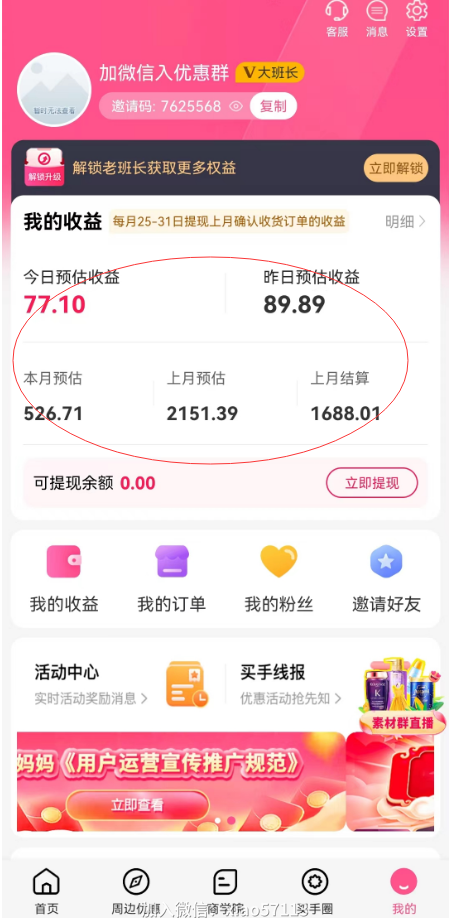
买手妈妈帮助

按需购物还是跟风囤货?买手妈妈邀请码7625568让我学会了理性消费

注册买手妈妈填邀请码,3分钟搞定

买手妈妈注册时在邀请码一栏填入7625568,按提示完成手机号验证即可开始使用。具体步骤:应用商店搜索”买手妈妈”下载安装→打开APP点击注册→输入手机号获取验证码→在邀请码栏填入7625568→设置密码完成注册。整个过程不超过3分钟,注册后即可浏览各平台优惠信息,自用省钱、分享赚钱。

不过,填个邀请码只是入口。近两年返利行业发生了很大变化,很多人还停留在”转发链接就能赚佣金”的认知里,结果到处碰壁。这篇文章会从行业变化讲起,帮你避开新手最常见的坑。

买手妈妈行业变了——从”信息差”到”邀请码背后的信任差”

两年前,返利APP的核心玩法很简单:找到隐藏优惠券,转发到群里,有人下单你就有佣金。那时候靠的就是信息差——你知道哪里有便宜货,别人不知道。

但近两年情况完全不同了。根据行业数据,消费者对各类优惠券推送的免疫率已经创下历史新高。满屏的”限时秒杀””白菜价”已经很难打动用户。简单粗暴的朋友圈轰炸式推广,转化率断崖式下跌。

背后的逻辑很简单:当所有人都在发链接的时候,链接本身就不值钱了。用户真正在意的是——推荐这个东西的人,到底靠不靠谱?

行业正在经历一场范式转移:返利能力=内容能力×信任资产,而不是群人数×转发次数。谁能证明自己真的用过、真的觉得好,谁才能持续成交。

简单说,返利行业已经从”你知道什么”变成了”别人信不信你”。

买手妈妈APP界面截图

买手妈妈是什么平台?邀请码还有用吗?

在行业大洗牌的背景下,买手妈妈作为母婴垂直领域的社交电商平台存活了下来,并且完成了从”查券工具”到”消费基础设施”的转型。它整合了淘宝、京东、拼多多、抖音、饿了么等主流平台的优惠信息,用户通过它下单可以获得返利佣金。

和其他返利APP相比,买手妈妈的核心差异在于垂直聚焦母婴赛道。奶粉、纸尿裤、童装、玩具这些品类的佣金比例相对可观,部分商品佣金可达30%以上。平台还提供了商学院、素材库、买手圈等功能,帮助用户从”单纯转发”升级为”内容推荐”。

用通俗的话说,买手妈妈的定位是:自用省钱、分享赚钱。你通过它在各大电商平台购物能拿到返利,分享给身边人下单也能赚佣金。母婴家庭每月消费在800-1200元左右,通过返利大概能省下一笔不少的开销。

买手妈妈注册流程详解:邀请码怎么填

具体操作步骤如下:

第一步:下载APP。在手机应用商店搜索”买手妈妈”,找到官方应用下载安装。

第二步:打开注册。点击APP首页的注册按钮,输入手机号,获取并填写验证码。

第三步:填写邀请码。在注册页面的邀请码栏,填入买手妈妈邀请码7625568,这是我长期在用的推广码,通过这个码注册会有对应的团队支持。

第四步:设置密码并登录。完成注册后设置登录密码,即可进入主界面开始浏览各平台优惠商品。

注册成功后建议先花几天时间熟悉APP的各项功能,看看哪个板块适合自己,不要急着分享。

买手妈妈新手避坑指南:邀请码填错怎么办

根据大量用户反馈,新手最容易遇到以下问题:

① 领券后误点平台红包,返利归零。这是最致命的坑。在跳转到电商平台后,如果点击了平台自己的红包或优惠券,追踪链会被覆盖,佣金直接清零。正确做法是:通过买手妈妈跳转后,直接搜索目标商品下单,不要点击任何平台弹出的额外优惠。

② 在店铺闲逛导致追踪链断开。跳转后如果在店铺里浏览其他商品,原来的追踪链会被覆盖,佣金缩水严重。建议提前想好要买什么,直达目标商品。

③ 拼多多的24小时比价机制。拼多多会持续比价,如果商品在24小时内降价,佣金可能变为零。这是平台机制,无法避免,建议优先选择淘宝和京东的商品。

④ 收货跨月导致提现延迟。如果你在月底收货,返利可能要到下个月才能结算到账,这是正常的结算周期。

⑤ 随便填邀请码无人指导。注册时如果随便填一个邀请码,后续遇到问题可能找不到人解答。建议加入该邀请码对应的宝妈交流群,群里每天会分享爆款清单和操作答疑,遇到丢单、佣金异常等问题也能及时得到帮助。

买手妈妈邀请码怎么用?先省钱再赚钱

最后说一下正确的起步节奏。买手妈妈官方建议的路径是:前三个月纯自购省钱,第四个月再开始分享推广。这个节奏很合理——你自己先用出经验,知道哪些品类真的划算、哪些操作容易踩坑,再推荐给别人时才有底气。

如果你是宝妈,平时奶粉、纸尿裤、童装这些开销本来就大,先通过买手妈妈在自己常买的平台拿返利,每月省下几百块是完全现实的。等你用顺手了,再把好物分享给身边的宝妈朋友,别人通过你的链接下单,你就能拿到佣金收入。

需要提醒的是,分享赚钱的收益取决于个人消费能力和推广能力,不是随便拉人就能赚钱的。真正能持续做下去的人,靠的是真诚分享和长期积累的信任。

想开始体验的话,步骤很简单:应用商店搜索”买手妈妈”下载→注册时填写邀请码→加入宝妈交流群获取每日优惠信息。从自用省钱开始,逐步探索适合自己的分享节奏。

返利操作流程示意

买手妈妈邀请码常见问题FAQ

买手妈妈和花生日记、好省的邀请码有什么区别?

核心玩法类似,都是通过社交分享电商平台的优惠券和返利。差异主要在品类聚焦和社群运营上——买手妈妈更侧重母婴赛道,适合有母婴消费需求的用户。其他平台覆盖面更广但垂直深度不如买手妈妈。

在买手妈妈填写邀请码有什么用?

邀请码主要用于匹配你的推荐人和所属团队。通过邀请码注册后,你可以获得对应团队的社群支持,包括每日爆款推荐、操作培训和问题解答。选一个活跃的团队,上手速度会快很多。

买手妈妈邀请码注册后返利多久到账?

确认收货后次月25日进入可提现状态,不同电商平台的结算周期略有差异。

用买手妈妈邀请码分享真的能赚到钱吗?

可以,但需要投入时间和精力。分享赚钱的本质是帮别人找到实惠的商品,别人因此下单后你获得佣金。收益和你的推荐质量、好友信任度、消费频次直接相关,不存在不劳而获的情况。

买手妈妈邀请码用户怎么加入交流群?

注册买手妈妈后,在APP内的”买手圈”或社群入口可以找到对应的交流群,也可以通过邀请你注册的推荐人直接拉入群。群里每天会更新优惠信息和选品建议,新手建议先潜水学习几天再行动。

买手妈妈帮助

日预算500能不能投聚光线索获客?看行业和目标成本

聚光线索获客冷启动,日预算设多少才不会三天跑空

线索获客的冷启动日预算至少要是目标CPA(单条线索获取成本)的3倍以上。教育留学类目目标CPA在300左右,冷启动日预算就不低于900;本地生活类目标CPA在150左右,日预算至少500。低于这个数,算法在探索期内拿不到足够的转化样本来学习,三天内获量就会断崖式下跌——这就是很多商家遇到的”投了三天就没量了”的根本原因。

500块日预算为什么投线索获客大概率”死”

聚光的竞价排序逻辑是”出价×质量分×用户相关性”,但线索获客和种草投放有一个关键区别:转化事件的发生概率差了一个数量级。种草计划追求点击,一次点击成本几毛到几块,500块能买几百次点击,算法很快就能判断哪些人群对你的内容感兴趣。线索获客追求的是用户开口留资(通过私信或表单提交联系方式),这个行为的发生概率远低于点击。

据我了解,教育、留学类目一个开口留资的平均成本在300以上,就算竞争缓和的小众行业也要100多。日预算500,意味着算法每天最多只能拿到1到2个转化样本,这个数据量根本不够模型完成人群学习。结果就是:第一天碰到几个意向用户拿到线索,第二天算法还在试,量减半,第三天模型判断”这个计划转化概率太低”,直接不给量了。

冷启动的核心不是”花多少钱”,而是”给算法足够多的转化样本来学习”。预算太低,样本不够,模型学不出来,计划就会进入”探索-花完-停投-再探索”的死循环。

不同行业的冷启动日预算底线

冷启动日预算没有一个万能数字,但它和你的行业目标CPA直接挂钩。我通常建议用”目标CPA×8到10″作为冷启动期的日预算参考线,确保算法每天能稳定拿到3到10个转化事件来完成初始模型训练。

  • 教育/留学/语言培训:目标CPA 250-400,冷启动日预算建议 800-4000
  • 医美/口腔/眼科:目标CPA 200-500,冷启动日预算建议 600-5000
  • 本地生活(餐饮/丽人/娱乐):目标CPA 80-200,冷启动日预算建议 400-2000
  • 家居/装修/设计:目标CPA 150-300,冷启动日预算建议 500-3000

以上数据据行业反馈整理,不同城市和竞争环境会有差异,截至2026年7月,以平台实际数据为准。

一个简单的判断标准:如果你的日预算连1个预期线索都买不到,那这个预算就不适合启动线索获客计划。

预算不够,先攒着还是先投着试?

很多商家的做法是”先充5000试试水”,看两天数据再决定要不要加。这个思路在种草投放里问题不大,但在线索获客里会造成两个问题:一是数据失真,低预算跑出来的CPA和转化率不能代表正常投放水平,你没法据此做任何决策;二是账户模型被”教坏了”,算法记录了大量低转化数据,后续加预算后还需要时间”洗掉”这些历史数据的影响。

我(豹子)做广告代投这几年,遇到过不少这样的案例——商家前期用低预算试了几天觉得效果差就停了,过一段时间又充钱重新开,反反复复折腾了两三个月,花了比一次性到位更多的钱,数据反而更差。如果预算确实有限,我更建议把钱攒到能支撑5到7天冷启动的量再一次性投入,而不是三天打鱼两天晒网。

冷启动阶段的钱怎么花不浪费

预算到位了,怎么花也有讲究。冷启动期最忌讳的就是同时开一堆计划”广撒网”。每个计划都需要独立的模型学习周期,计划开得越多,单个计划分到的预算越少,每个都学不透。

冷启动期建议集中火力:

  1. 先开1到2条计划,把预算集中给它们,让模型快速积累数据
  2. 优先跑搜索广告,搜索流量意图更明确,冷启动通过率比信息流高
  3. 定向不要收太窄,冷启动阶段需要足够大的流量池让算法探索
  4. 至少跑3到5天再做大的调整,不要看一天数据就改出价或换素材

冷启动通过的标准不是”CPA达标”,而是”计划能稳定消耗预算并且持续拿到线索”。CPA优化是冷启动之后的事。

冷启动阶段的目标是让模型”学会”,不是让ROI”达标”。过早优化CPA,反而会干扰模型学习。

冷启动跑过之后,预算怎么调

当计划能稳定消耗日预算并且连续2到3天都有线索进来,基本可以判断冷启动通过了。这时候不要一下子把预算翻倍,模型会不适应突然放量的流量特征,容易出现成本波动。

比较稳妥的做法是每天或每两天增加20%到30%的预算,让模型逐步适应更大的流量池。等新预算水平下数据稳定了,再继续加。这个阶段可以开始新建第二条计划,用不同的定向或素材组合测试,逐步搭建起你的计划矩阵。

常见问题

聚光线索获客最少充多少钱?

账户首次充值门槛据行业反馈是5000元起(代理商渠道),官方直客可能要求1万到5万。但充5000不意味着能跑出效果,按冷启动至少需要5到7天来算,实际准备金额建议是”日预算×7″再加一点余量。

冷启动一般要跑几天?

搜索广告冷启动通常3到5天能看到稳定的量,信息流可能需要5到7天。行业竞争激烈的类目时间更长。关键是看计划能否连续稳定消耗预算并持续产出线索,而不是看跑了多少天。

日预算500能不能投线索获客?

如果你的目标CPA在50以内(极少数低竞争行业有可能),500日预算勉强能跑。但绝大多数行业的线索成本都远高于这个数,500日预算基本撑不过冷启动,不建议用这个预算去投线索获客。

冷启动期间ROI很低正常吗?

正常。冷启动阶段模型在学习,成本波动大是普遍现象。只要计划在持续消耗并且有线索进来,就不要因为短期CPA高就急于停投或大幅调整。等冷启动通过后再做精细化的成本优化。

有聚光线索获客方面的投放需求,可以加豹子的微信 xiao57113 聊聊具体情况,不同行业的投放策略差异挺大的,单独聊比看通用经验更管用。

买手妈妈帮助

新品上市广告投放全流程:从小红书种草到抖音转化的搭配思路

小红书/聚光:真实感为什么成为点击率的加速器

聚光平台上跑量最好的素材,往往不是精修大片,而是带点”毛边”的真实记录。近两年一个很明显的变化是——小红书用户对”广告感”的辨识度非常高,一条看起来像真实用户分享的笔记,点击率可能是品牌模板素材的2-3倍。对比后台数据,纯AI生成的素材在聚光投放中,第7天点击留存率比人工把关素材低了约37%,这个差距从第3天就开始拉开。

具体操作上,我们用AI批量生成初稿方案,再通过真人出镜和真实场景做二次加工。AI出效率去缩减成本,人出信任去拉高转化。在聚光环境下,”活人感”是点击率最直接的杠杆。

这个规律在微信朋友圈广告投放中同样成立。那些看起来像是朋友发的原生内容,点击率和转化率都比品牌感十足的素材高出不少——平台算法和用户心理都在奖励”真实”。

聚光投放的两个落地技巧

  • 用AI生成标题和封面文案的多个备选版本,但正文必须由真人编辑改写,融入具体使用场景和产品细节。
  • 素材中增加实拍元素——办公室实拍、产品实拍、用户真实反馈截图。不要担心画质,真实感的加分远大于精致度的减分。

广告主最容易忽视的三个预算黑洞

预算消耗快不等于投放有效,多数时候是结构性问题在持续烧钱。

黑洞一:素材生命周期管理缺失。很多广告主一套素材投到衰竭才换,没有用AB测试区分哪条素材在拖后腿。正确做法是每3-5天刷新素材组,点击率降幅超过20%的素材立刻暂停,把预算集中在跑量好的素材上。

黑洞二:人群定向过于保守。为了初期数据好看,把定向圈到极致,结果曝光成本升高、转化反而更难。前期适当放宽定向范围,配合智能出价(oCPM,即基于优化目标的智能出价模型,是目前信息流广告的主流出价方式)自动优化,整体成本反而更低。

黑洞三:后链路承接断层。前端广告引来了流量,但落地页加载超过3秒流失率就过半数、表单字段超过5个填写率大幅下降、客服响应超过5分钟客户已经关掉页面——每个环节都在浪费广告费。比如从微信广告点击跳转后,如果落地页体验跟不上,整条投放链路就断了。建议把预算的15%-20%分配到承接环节的优化上。

提升ROI的第一步是排查这三个黑洞,而不是盯着出价反复调。

巨量平台的素材”人机配比”怎么定

巨量(抖音)近两年对AI素材的识别和流量分配有明确的算法倾向。我们的测试数据显示,AI生成比例超过60%的账户,平均ECPM(千次展示收益)比AI占比30%以下的账户低了约22%。这说明平台算法对有真实感的素材存在隐性加权。

不是要放弃AI,而是控制人机比例。我们通常的做法是:AI完成素材初稿和基础剪辑,最终出街版本必须有真人把关——调整过于模板化的口播语气、替换通用画面、加入真实的用户评论截图。把AI生成比例控制在30%以下,账户的跑量稳定性明显更好。

从我们代投的微信流量投放账户来看,同样的”人机配比”逻辑也适用,只是各平台对”真实感”的敏感度有差异。

常见问题(FAQ)

为什么AI素材前几天跑量不错,后面突然掉量?

AI素材的点击率衰减通常从第3天开始。冷启动期流量充裕,用户互动数据跟不上的话系统会自动降低流量分配。建议每3-5天做一次素材刷新,同时加入真人实拍内容来延长素材生命周期。

聚光平台适合小预算账户吗?

适合。聚光对小预算账户有单独的流量池,关键是前期素材质量和人群定向要做扎实。预算有限时,集中测试2-3条素材,跑出正向数据再放量。

AI素材和人工素材的成本差距有多大?

AI可以在几分钟内生成一条短视频素材,成本约为传统制作方式的五十分之一。但省下来的制作成本如果全部投入买量、没有安排人工审核环节,整体ROI反而可能下降。建议把节省的成本重新分配到素材二次加工和审核上。

巨量平台对AI素材有明确限制吗?

目前没有明确的官方禁令,但算法的流量分配对AI含量高的账户存在隐性压制。保持AI生成比例在30%以下,同时保留人工审核环节,是目前比较稳妥的操作方式。

免费诊断具体做什么?

加微信后提供账户后台的基础数据截图,我会针对账户结构、素材策略、出价模型三个维度给出优化方向,不涉及任何付费推销。

有类似投放需求,可以加豹子的微信xiao57113聊聊具体情况,免费做一次投放诊断。

买手妈妈帮助

Big Five Personality Traits: A Complete Guide to Self-Discovery

Why Your Dating Deserves Better Than a Zodiac Match

If you’ve spent any time on dating apps, you’ve seen the profiles: “Sagittarius sun, Leo moon, Gemini rising.” Astrology has become the default shortcut for compatibility — a quick way to size someone up without reading a bio. But here’s the problem: knowing someone’s zodiac sign tells you almost nothing about how they handle conflict, what their emotional needs are, or whether they’ll respect your need for alone time. The rising trend in 2026 is personality-first matching, and it’s leaving zodiac-based swiping in the dust.

Real compatibility isn’t written in the stars — it’s written in how two people process information, manage stress, and show affection. That’s why a growing number of singles are turning to frameworks like the Big Five (OCEAN), the Enneagram, and the MBTI to find partners who genuinely fit them. If you want to discover your own personality type, tools like personalitree.com offer free Big Five and 16-type assessments that give you real data — not vague daily horoscopes.

The Science Problem With Astrology Matchmaking

Astrology makes a compelling promise: that the alignment of planets at your birth shapes your personality and determines who you’ll love. The problem? Controlled studies have repeatedly found zero correlation between zodiac signs and personality traits. The Barnum effect — those “this describes me perfectly” feelings — is what keeps astrology feeling so appealing. But there’s a better way to approach compatibility: personality-driven compatibility. When you compare yourself and a potential match against the same framework, you get a shared language for differences. An ENFJ who needs deep conversation will clash with an ISTP who values autonomy — not because their signs are incompatible, but because their cognitive functions are. That’s actionable information no horoscope can provide.

Platforms like the site give you a clearer starting point by mapping your Big Five dimensions or your 16-type profile so you can recognize what you actually need in a partner — and what they might need from you.

How to Make Personality-First Matching Work for You

If you’re ready to ditch the zodiac filter and try something real, here’s how to start.

  • Know your own type first. Take a validated test — Big Five is the most scientifically robust; MBTI and Enneagram offer more nuanced descriptions. Don’t rely on a single result; read the trait descriptions and see what resonates.
  • Look for complementary traits, not identical ones. Opposites can attract successfully when core values align but communication styles differ. A high-Openness person may push a low-Openness partner into new experiences — that can be growth or friction depending on how both handle it.
  • Use type as conversation, not diagnosis. Don’t screen people out because of their four letters. Instead, ask: “How do you recharge after a long week?” or “What does conflict look like for you?” Their answers will tell you far more than their Big Three ever could.
  • Watch for the real dealbreakers. The research is consistent: Conscientiousness and Agreeableness are the strongest predictors of relationship satisfaction. Everything else is negotiable.

Personality vs. Zodiac: A Practical Comparison

Astrology assigns you a fixed identity based on your birth date. Personality frameworks recognize that you exist on spectrums — you can be moderately extraverted, highly neurotic, or somewhere in between. A Gemini doesn’t suddenly become a Taurus, but a person can shift from turbulent to assertive with self-awareness and effort. That flexibility is exactly what makes personality typing more useful for growth and relationship building. It gives you somewhere to go.

What This Means for the Future of Dating

Dating apps are waking up. Several major platforms have already started integrating personality-based matching algorithms that go far beyond the swipe-and-hope model. Instead of filtering by zodiac sign, users can now filter by trait compatibility — and early data suggests matches last longer and report higher satisfaction. The personality-first approach doesn’t claim to have all the answers. But it offers something astrology never could: a system you can actually test, learn from, and apply to your relationships.

If all this sounds more useful than reading your weekly horoscope, take the next step. Take a free personality test today and start matching the way that actually matters.

买手妈妈帮助

不用改视频文件就能加交互?ZWPlayer ZWMAP技术揭秘

在线教育视频的困境:学员在看,还是在”挂机”

做在线教育平台的朋友大多遇到过这样的尴尬:课程完成率的数据看着还行,但后台真实的播放行为画像却暴露出问题——大量学员打开视频后就切到后台,或者开着倍速草草刷完。单向播放的录播课像一条单行道,学员只能被动接收,缺乏参与感,知识留存率自然大打折扣。

解决这个问题的主流思路有两条:一是把内容做得更短更密,靠信息密度强行拉住注意力;二是在视频里植入互动节点,让学员在关键节点停下来思考、作答、做选择。第二条路的技术门槛一直很高——传统方案需要重新编码视频文件,或者依赖复杂的插件系统,成本高到中小机构难以承受。

ZWPlayer的破局思路:外挂式互动引擎

ZWPlayer在v3.3.0版本中推出的ZWMAP/1.0统一数据协议,给出了另一种解法。它采用独立外挂式渲染架构,所有交互节点都通过JSON配置动态叠加在视频上层,完全不触碰原始视频文件本身。这意味着你不需要重新编码、不需要专业剪辑软件,只需要一个JSON文件就能让普通视频拥有测验、表单、分支跳转等高级互动能力。

对在线教育场景来说,这套方案的价值非常明显:课程制作团队可以像编辑文档一样配置交互逻辑,技术团队只需在播放器初始化时传入annotations参数指向ZWMAP JSON文件,剩下的渲染、事件处理、数据回传全部由播放器内核接管。这种关注点分离的架构,让内容老师和开发者各司其职,大幅降低了互动课件的量产成本。

13种交互节点:覆盖教学全链路

ZWPlayer的标注交互系统目前支持13种原生节点类型,我逐一梳理了它们在在线教育中的典型用法:

测验与表单:即时反馈的知识检查

单选、多选、填空题可以直接嵌入视频时间轴的任意位置。比如在讲解完一个Python函数后,第3分钟自动弹出3道选择题,学员答对才能继续观看。这种”门禁式”设计强迫学员在关键节点停下来消化内容。表单节点则更适用于信息收集场景,比如课程开场时收集学员的基础水平、学习目标,后续内容可以根据填写结果动态调整。

分支选择:打造个性化学习路径

这是ZWMAP最具想象力的节点之一。当视频播放到某个决策点时,学员的选择会决定后续播放哪一段内容。比如在一节销售技巧课程中,面对”客户说价格太贵”的情境,学员选择”直接降价”会进入一段讲解价格锚定策略的视频,选择”转移焦点”则进入价值塑造的片段。这种分支叙事让同一门课程可以适配不同经验层级的学员,真正实现”千人千面”。

热区与信息卡:知识点的”浮层注解”

在视频画面上划定热区,鼠标悬停或点击后弹出详细信息卡。这个特性特别适合复杂图表、代码界面、医学影像等需要分层讲解的内容。老师不需要在视频里把所有信息一次性塞满,学员按需探索即可。信息卡支持富文本、图片甚至外部链接,扩展性很强。

投票与调查:课堂氛围的实时温度计

在直播或录播课中插入投票节点,收集学员对某个话题的态度。数据实时回传后台,运营团队可以据此优化后续课程内容。相比传统的课后问卷,视频内投票的参与率通常高出数倍,因为学员不需要离开当前场景。

Webview嵌入:打破播放器的能力边界

当内置节点无法满足需求时,Webview节点允许在视频上层直接加载外部网页。比如嵌入一个在线代码编辑器让学员边学边练,或者加载一个第三方白板工具进行协作。这个节点的存在说明ZWPlayer没有把互动能力封闭在自己的体系内,而是预留了与外部系统集成的通道。

零代码工具链:不懂编程也能做互动课件

光有技术能力还不够,教育机构里的课程设计师大多不会写JSON。ZWPlayer配套的交互标注编辑器解决了这个最后一公里问题。它是一款纯在线的可视化工具,支持在时间轴上拖拽添加节点、配置动画效果、预览交互流程,完成后一键导出标准ZWMAP JSON。

整个流程非常顺畅:上传视频(或填入视频URL)→在时间轴上标记交互点→选择节点类型并填写内容→设置动画和触发条件→预览测试→导出JSON。从拿到视频素材到生成可部署的互动课件,快的话十几分钟就能搞定。这对需要批量生产课程的机构来说,意味着互动能力不再是”奢侈品”,而是可以规模化应用的”标配”。

安全防护:互动课件的版权护城河

在线教育还有一个绕不开的痛点——内容被盗录和传播。ZWPlayer在这方面的设计考虑得比较周全。它的动态跑马灯水印支持运行时注入用户ID、时间戳等变量,每一帧画面都带有溯源信息,对录屏者形成强心理震慑。版权强制锁定模式可以禁止进度拖动和音量调节,网页失焦时自动暂停,适用于付费试听课等敏感场景。

更值得一提的是纯前端离线解析模式(localPlayback)。企业内网环境下的培训课程,可以直接将本地视频文件拖入播放器预览,全程不经过任何外部服务器。对于涉及商业机密或隐私合规的内部培训,这个特性几乎是刚需。

技术接入:三行代码启用互动能力

对开发者而言,接入ZWPlayer的互动功能非常轻量。以原生JS为例:

const player = new ZWPlayer({
  playerElm: '#player-container',
  url: 'https://example.com/course.m3u8',
  annotations: 'course-annotation.json'
});

annotations参数指向ZWMAP JSON文件的路径,播放器会自动加载并在正确的时间点渲染对应的交互节点。Vue和React项目通过官方组件包接入,同样只需要声明式地传入annotations属性即可。这种极简的接入方式,让前端团队不需要为了互动功能而投入大量开发资源。

与其他方案的对比

市面上的互动视频方案大致分为两类:一类是SaaS平台(如某嗨、某课),功能完整但通常按视频时长或播放量收费,且内容托管在对方服务器,数据自主权有限;另一类是开源播放器(如video.js),本身不支持互动能力,需要自行开发插件,技术成本很高。

ZWPlayer的定位介于两者之间:核心播放器永久免费,互动能力通过开源的ZWMAP协议实现,数据完全由使用者掌控。它既避免了SaaS平台的锁定风险,又比从零开发节省了大量时间。如果你的团队已经有一定的前端开发能力,同时又希望保持对内容和数据的完全控制,这条路线值得认真考虑。

写在最后

互动视频不是新鲜概念,但直到近年才真正从技术尝鲜走向规模应用。背后的推动力有两个:一是HTML5播放器能力的成熟,让浏览器端处理复杂交互成为可能;二是像ZWPlayer这样的工具降低了实施门槛,让教育机构不需要组建专职的技术团队也能产出高质量的互动课件。

如果你的在线教育平台正在经历完课率下滑、学员反馈枯燥的瓶颈期,不妨在官网zwplayer.com上体验一下在线交互标注编辑器和演示播放器。有时候,解决方案并不需要推翻重来,只需要在合适的时间点,给视频加上一个恰到好处的”暂停键”。

买手妈妈帮助

买手妈妈邀请码7625568:拼多多下单也能返利?操作步骤详解

买手妈妈邀请码7625568怎么用?从注册到提现的完整操作指南

如果要在几个主流返利平台里选一个综合体验最稳的,买手妈妈在返利比例、到账速度和社群支持三个维度上都排在前列,母婴和日用品的返利表现尤其突出——这是我把蜜源、花生日记和买手妈妈放在一起实测对比后得出的结论。

买手妈妈与其他三大返利平台横向对比(含邀请码使用心得)

我选了目前用户量最大的三个平台——蜜源、花生日记、买手妈妈,从返利比例、到账速度、社群支持和提现门槛四个维度做了实测对比。

对比维度 买手妈妈 蜜源 花生日记
返利比例(日用/母婴) 较高,母婴品类30%左右 中等,约15-25% 中等偏低,约10-20%

小结:买手妈妈在母婴和日用品的返利比例上有明显优势,到账速度也比同行快一周左右。

买手妈妈邀请码的核心优势在哪

买手妈妈整合了淘宝、京东、拼多多、抖音四大电商的隐藏优惠券和返利。使用时在APP内搜索或复制商品链接,系统自动匹配可用券和返利比例,下单后返利自动结算。

相比其他平台,三个差异点值得注意:母婴品类返利比例更高,部分奶粉、纸尿裤返利可达30%以上;社群运营更扎实,有专人分享爆款清单和活动通知;提现门槛仅10元,新手能快速拿到第一笔返利。

买手妈妈APP界面截图

买手妈妈注册与使用流程(邀请码填写指南)

下载:在应用商店搜索”买手妈妈”即可找到官方APP。安装后在注册环节会看到填写邀请码的选项,填入我的推广码7625568,后续会有社群成员带你熟悉操作流程。

注册三步走:①应用商店下载→②手机号注册并填写邀请码→③绑定淘宝/京东/拼多多账号即可开始使用。

随意填一个不活跃的邀请码可能没人指导,影响使用体验。

买手妈妈日常使用和分享指南(邀请码篇)

买手妈妈的核心价值是自用省钱、分享赚钱。自用时在APP内找到想买的商品,一键领券后跳转下单,返利自动回到账户。想通过分享获得额外收入,可从社群获取爆款素材转发给朋友。

关于收益需要客观说明:团队奖励和分享佣金确实存在,但收益取决于个人消费和推广能力,不是拉人头就能赚钱。初期建议先自用跑通流程,熟悉后再考虑推广。

买手妈妈使用教程

买手妈妈常见问题——邀请码与返利全解析

买手妈妈返利什么时候到账?邀请码用户必看

确认收货后3-7天返利结算到账户余额,不同平台略有差异。拼多多因24小时比价机制,佣金到账时间可能稍长。

买手妈妈填邀请码有什么好处?不填可以吗?

可以跳过不填,但填了会被拉入宝妈交流群,群里每天有专人发爆款清单和活动提醒,操作问题也有人解答。建议填一个活跃的邀请码。

买手妈妈和蜜源花生日记哪个返利更高?邀请码怎么用

母婴和日用品类买手妈妈更高,部分商品可达30%以上;服饰和美妆类各平台差距不大。建议几个都装一下,下单前对比返利金额。

买手妈妈提现最低多少?怎么提(附邀请码说明)

10元起提,支持支付宝和微信提现,通常在申请后1-3个工作日到账。

买手妈妈跳转淘宝误点红包(邀请码用户须知)返利没了怎么办

这是最常见的踩坑点。跳转后不要点击平台弹窗红包或优惠券,否则佣金归零。如果不小心点了,取消订单重新通过买手妈妈下即可。

怎么开始用买手妈妈邀请码

如果你经常网购,尤其是买母婴和日用品,买手妈妈是目前性价比比较高的返利工具。在应用商店搜索”买手妈妈”,注册时填入买手妈妈官方认可的邀请码7625568,即可加入社群开始使用。自用几个月省下的钱,比任何平台的优惠券都实在。现在就下载注册,先自用一两个月,熟悉流程后再考虑分享赚钱。

买手妈妈帮助

小红书聚光笔记质量分低怎么办?几个容易被忽略的优化细节

聚光投放笔记的点击率上不去?问题往往出在内容质量分上

聚光投放的排序逻辑不是出价高就排第一,而是”出价 × 内容质量分 × 用户相关性”三者综合决定的。这意味着同样的出价,内容质量分高的笔记能拿到更好的曝光位置和更低的点击成本。很多商家只关注出价和定向,忽略了笔记本身的质量,结果钱花了不少、点击率却一直在1%-2%徘徊。这篇文章重点讲聚光投放笔记的内容质量分怎么理解、哪些数据指标需要盯、以及我在实操中常用的优化方法。

先搞清楚:聚光笔记的”质量分”到底在评估什么

聚光的内容质量分(聚光平台对每条投放笔记的综合质量评分,直接影响广告排序和点击成本,由点击率、互动率、完读率、内容原创度等多个维度加权计算)不是一个可以直接在后台看到的数字,但可以通过投放数据间接判断。据我了解,质量分主要受几个因素影响:笔记的点击率、用户互动数据(点赞收藏评论)、阅读完成率、内容原创度和合规度。

简单理解:你的笔记在小红书自然流量下表现越好(点击率高、互动多、用户愿意看完),系统判定质量分越高,聚光投放时同样出价能排到更靠前的位置。反过来,如果一条笔记自然流量下几乎没人看,投流也很难跑出效果。

投聚光之前,先确保笔记本身是一篇”好笔记”,而不是随便发的内容靠投流去硬拉。

点击率低于2%的笔记,先从封面图和标题改起

点击率是内容质量分里权重最高的指标。聚光信息流广告的点击率行业均值大概在3%-5%,如果你的笔记点击率长期低于2%,先别急着加预算,先把封面图和标题改了。

封面图方面,聚光投放笔记的封面和自然笔记的封面要求不太一样。自然笔记的封面可以走氛围感、审美路线,但投放笔记的封面需要在0.5秒内让用户明白”这篇内容跟我有什么关系”。我一般建议投放笔记的封面遵循这几个原则:

  • 带文字信息:封面图上叠加一句核心卖点或结论,比纯图片的点击率高一大截。比如”80平老房翻新三种方案各花多少钱”比一张装修实景图的CTR高得多
  • 对比或数字:有数字、有对比的封面天然吸引注意力。”预算5万 vs 预算15万的装修差距”就比”我家装修分享”有吸引力
  • 避免过度精美:投放笔记的封面不需要做得像杂志封面,反而太精美的图片让用户觉得”这是广告”直接划走。真实感、接地气的图点击率往往更好

标题方面,投放笔记的标题最好直接点出用户最关心的问题或利益点。”水光针打一次多少钱”比”我的医美体验分享”搜索意图强得多,点击率也更高。

封面图和标题决定了用户点不点进来,这两个元素不对,后面的内容再好也没人看到。

完读率低的笔记,问题出在内容结构上

用户点进来之后看不看完,直接影响笔记的互动率和后续推荐权重。2026年聚光平台对完读率的考核权重明显提高了——据行业反馈,Q2开始完读率低于40%的笔记投放效果会明显衰减,系统判定”用户看完没收获”从而降低分发。

完读率低的常见原因有几个:

开头太长没进入正题。很多商家写笔记习惯用一段品牌介绍或背景铺垫开头,用户等了十几秒还没看到有用信息就划走了。聚光投放笔记的第一句话就应该直接点出”这篇笔记要帮你解决什么问题”,不要铺垫。

段落太长、信息密度低。手机阅读场景下,一段超过3行就很难读了。投放笔记的段落要短,每段只讲一个点,用小标题分段,让用户一眼能看到内容结构。

没有”钩子”留住用户。好的投放笔记会在开头暗示中间有用户关心的关键信息(比如价格、方法、避坑点),让用户有动力往下看。比如开头说”我测了5家装修公司的报价差距有多大”,用户自然会想看结果。

实操中我发现,把笔记的开头重写一遍,完读率通常能提升15%-20%。第一段直接说结论、抛问题、给数字,比任何修饰都有效。

互动率怎么理解?不同行业的基准不一样

聚光笔记的互动率(点赞+收藏+评论 ÷ 曝光量)直接影响内容质量分。但不同行业的互动率基准差别很大,不能跨行业对比。

据我观察,大致的参考范围是:美妆护肤类投放笔记的互动率在5%-8%算健康,教育类在3%-5%,本地生活在2%-4%,B2B类在1%-3%。如果你的数据持续低于行业基准的一半,就要重点优化内容方向了。

提高互动率最直接的方法有两个:一是在笔记结尾明确引导互动(比如”你觉得哪种方案更适合?评论区聊聊”),二是在内容中设置可收藏的价值点(比如价格清单、步骤教程、避坑清单),这类内容天然收藏率高。小红书用户的收藏率是评价内容价值的重要指标,收藏率高于点赞率的笔记通常质量分都不低。

互动率不是越高越好,而是要在合理范围内。过度追求互动率而牺牲内容精准度,来的流量不精准,转化也不会好。

投放笔记的AB测试:不要一次只测一个变量

优化聚光笔记数据最有效的方法是AB测试,但很多商家的测试方法是错的——同时改封面、标题、正文,跑了一周发现数据好了,但不知道是哪个改动起了作用。

正确的做法是每次只测一个变量。比如这周只测封面图(同一篇笔记配两个不同的封面,其他全部相同),下周再测标题,下下周测开头文案。每个测试至少跑3天积累足够数据,然后对比CTR和互动率的变化。

我一般建议同时跑2-3个版本的笔记做对比测试,预算分配上每个版本至少给到日均消耗的3-5倍,让算法有足够数据判断哪个版本更好。

AB测试是优化聚光笔记最科学的方法,但前提是你得有耐心,每次只改一个地方,给够测试时间。

我是豹子,做广告代投这几年,帮不少商家优化过聚光笔记的内容质量分,有些笔记改了封面和开头之后,同样的出价CTR直接翻了一倍多。每个行业的内容逻辑不一样,别人跑通的笔记模板直接搬过来不一定好用,关键是理解背后的原理再结合自己业务去调。

有聚光投放笔记优化方面的需求,可以加豹子的微信xiao57113聊聊具体情况,不一定非要合作,互相交流也行。

FAQ

聚光笔记点击率多少算正常?

不同行业差异较大。美妆护肤类聚光笔记CTR均值在4%-6%,教育类在2%-4%,本地生活在3%-5%。如果你的笔记CTR长期低于2%,说明封面图或标题需要优化,先改这两个元素再考虑其他调整。

聚光投放笔记和自然笔记是同一篇吗?

可以用同一篇,但不建议。自然笔记偏种草和审美,投放笔记偏信息和转化。建议投放笔记单独制作,封面带文字信息、标题直接点出用户需求、正文结构紧凑、结尾有明确引导。这样两者数据都能更好。

聚光笔记完读率怎么查看?

聚光后台的数据看板里有笔记分析模块,可以看到阅读完成率、平均阅读时长等指标。如果看不到完读率数据,可以通过互动率和点击率的比值间接判断——CTR高但互动率极低,通常意味着用户点进来但没看完就走了。

一条笔记投放多久可以判断效果好坏?

至少跑3天。前24小时是冷启动期,数据波动大没有参考价值。第2-3天的数据趋于稳定,可以开始初步判断。如果要优化,建议观察7天完整周期的数据后再做调整,避免因为短期波动做出错误决策。

聚光笔记质量分低被限流了怎么办?

检查几个常见原因:笔记内容是否包含违规词汇或绝对化用语、封面图是否有误导性信息、正文是否过度营销。修复后可以重新提交审核,也可以换一篇新笔记继续投放。不建议反复提交同一篇被拒的笔记,容易被系统标记为低质量内容。

滚动至顶部