买手妈妈帮助

买手妈妈帮助

Which of the 16 Personality Types Are You Most Like

When Personality Became a Passport

In South Korea, MBTI has infiltrated dating apps as a filter mechanism — swipe left if you’re an ESTJ. In China, personality-type merchandise fills e-commerce storefronts, and cafés offer discounts based on your four-letter label. Across social media, Gen Z and Millennials introduce themselves not by profession or hometown but by personality type. What began as a casual self-discovery tool has evolved into a cultural identity marker. But as personality frameworks migrate from dating profiles to hiring pipelines, a tension emerges: the tests people love are often the worst ones for making career decisions.

The 16-Type Framework: A Map, Not a Verdict

The 16 personality types originate from the Myers-Briggs Type Indicator (MBTI), which sorts people across four dichotomies:

  • Introversion (I) vs. Extraversion (E) — where you direct your energy
  • Intuition (N) vs. Sensing (S) — how you process information
  • Thinking (T) vs. Feeling (F) — how you make decisions
  • Judging (J) vs. Perceiving (P) — how you approach structure

These sixteen combinations — from the analytical INTJ to the sociable ESFP — offer a vocabulary for differences in how people think, communicate, and recharge. The appeal is obvious: it gives you a language for why you find large gatherings draining while your partner thrives in them, or why you need a detailed plan before your colleague is ready to improvise.

Yet psychologists have long noted a problem: roughly half of test-takers receive a different type when retaking the assessment weeks later. The MBTI sorts people into rigid buckets, but personality does not work that way. Traits exist on continua, not as binary switches.

Why the Consumer Boom Creates a Hiring Problem

The cultural embrace of personality typing has created a workforce that expects personality frameworks in their careers. Employees want to understand their working style, their communication preferences, and how they fit into a team. That expectation is legitimate.

But the frameworks employees love — categorical typologies like MBTI — are exactly what employers should avoid for screening. Using MBTI in hiring introduces several risks:

  • False negatives — qualified candidates filtered out based on unstable type labels
  • Legal exposure — personality screening without job-relevance validation can violate employment guidelines in multiple jurisdictions
  • Bias reinforcement — managers may unconsciously favor candidates who share their own type

The more robust alternative already exists. Trait-based models like the Big Five (OCEAN: Openness, Conscientiousness, Extraversion, Agreeableness, Neuroticism) measure personality on continuous scales, offer higher test-retest reliability, and have decades of peer-reviewed validity behind them. A growing number of organizations are adopting the Trait-Capability-Context (TCC) model, which argues that traits alone cannot predict job performance — capabilities and situational context must be weighed alongside them.

The cultural irony is striking: personality typing is more popular than ever as a form of identity expression, yet the version consumers embraced is the version science warns against using for decisions that matter.

How the 16 Types Compare Across Key Dimensions

Despite their limitations as diagnostic tools, the 16 types remain useful as a framework for recognizing difference. When comparing types, consider these dimensions:

Decision-Making Style

  • Thinkers (T types) — prioritize logic, consistency, and objective criteria
  • Feelers (F types) — weigh harmony, empathy, and impact on people

The healthiest teams include both approaches. Problems arise when organizations hire only one profile.

Energy Management

  • Extraverts (E types) — gain energy from interaction; prefer collaborative, fast-paced environments
  • Introverts (I types) — gain energy from solitude; prefer focused, deep-work settings

Remote and hybrid work has made this distinction more visible than ever.

Structure Preference

  • Judging (J types) — prefer planning, deadlines, and closure
  • Perceiving (P types) — prefer flexibility, spontaneity, and open options

Bridging Self-Discovery and Career Fit

The goal is not to abandon personality frameworks but to use them appropriately. Use categorical types for conversation, self-reflection, and team dialogue — they lower the friction of discussing differences. Use trait-based assessments when the outcome matters — career decisions, team composition, leadership development.

If you want to explore where your preferences fall across both categorical and trait-based models, tools like personalitree.com offer free Big Five and 16-type assessments side by side. This kind of comparison helps you see whether your MBTI result aligns with your trait profile — and gives you a clearer picture than either framework alone.

Frequently Asked Questions

Can I trust my personality test results for career decisions?

Trait-based models (Big Five, HEXACO) are more reliable than categorical ones for career planning. Use categorical types as conversation starters, not as career prescriptions.

Why do I get different results on different tests?

Different tests measure different models. MBTI sorts into categories; Big Five measures continuous traits. The frameworks are not interchangeable. Taking a test on a different platform or in a different mood can also shift results.

Should employers use personality tests in hiring?

Yes — but only validated, job-relevant, trait-based assessments administered by qualified professionals. Using free online categorical tests for screening is not supported by evidence and may introduce bias.

Explore Where You Fit

The personality type conversation is not going away. If anything, it will deepen as AI-driven assessments make testing faster and more adaptive — compression from 45-minute questionnaires to 10-minute adaptive algorithms is already underway. The challenge is to stay curious without becoming credulous: use frameworks to explore, not to define.

To see how your self-perceived type compares with trait-based measurement, try the free assessments at personalitree. It is one of the better starting points for understanding both where you fit among the 16 types and where your traits actually land on the spectrum.

买手妈妈帮助

What Does High Neuroticism Mean for Your Mental Health and Daily Life?

Of all the Big Five personality dimensions, Neuroticism carries the most unfortunate name. The word itself sounds clinical — evoking images of therapy sessions and diagnostic manuals. In everyday language, calling someone “neurotic” is rarely a compliment. But in personality psychology, Neuroticism is not a diagnosis or a flaw. It is a fundamental dimension of human temperament that describes how strongly and frequently a person experiences negative emotions, and it shapes far more of daily life than most people realize.

What Neuroticism Actually Measures

Neuroticism sits at one end of a spectrum whose opposite pole is Emotional Stability. It captures the tendency to experience psychological distress — anxiety, sadness, irritability, self-consciousness, and emotional volatility — in response to everyday stressors. People who score high on Neuroticism do not simply “worry more” than others. Their nervous systems are genuinely more reactive. A mildly critical email that a low-Neuroticism person might shrug off can trigger a cascade of rumination, self-doubt, and physical tension in someone who scores high.

This reactivity is not a choice, and it is not a character flaw. Research using the Big Five Inventory (BFI-2) breaks Neuroticism into three primary facets: anxiety (a tendency toward apprehension and fearfulness), depression (a propensity toward sadness and low mood), and emotional volatility (the ease with which strong emotions are triggered and the difficulty of returning to baseline). Other models add additional facets like vulnerability (sensitivity to stress), self-consciousness, and impulsivity. Together, these facets paint a picture of a person whose emotional world is simply more intense — more highs, more lows, and less neutral ground in between.

The Evolutionary Puzzle of Neuroticism

One of the most interesting questions in personality science is why Neuroticism persists in the human population at all. If high Neuroticism is associated with worse health outcomes, lower relationship satisfaction, and reduced subjective well-being, why hasn’t natural selection phased it out? The answer appears to be that Neuroticism, like all personality traits, carries both costs and benefits depending on the environment.

Theories from evolutionary psychology suggest that heightened threat sensitivity — a core feature of Neuroticism — would have been genuinely adaptive in ancestral environments where physical dangers were common and constant vigilance was a survival strategy. A person who anticipated risks, reacted quickly to signs of danger, and experienced strong avoidance learning might have been more likely to survive predation, avoid toxic foods, and protect offspring — even if the emotional cost was high. In modern environments, where most threats are psychological rather than physical, this same sensitivity can become maladaptive, manifesting as chronic worry and stress responses to non-lethal situations.

Research also points to potential advantages of moderate Neuroticism. Studies have found that people who score in the moderate range on Neuroticism tend to be more vigilant about health issues, more cautious in risky situations, and more attuned to social threats — qualities that can translate into better preventive health behavior and more accurate threat assessment in certain contexts. The key distinction is between functional vigilance and dysfunctional worry, and that line depends heavily on the environment and the intensity of the trait.

Neuroticism and Mental Health: The Important Distinction

A common misunderstanding is equating high Neuroticism with having a mental health disorder. They are related but distinct. Neuroticism is a personality dimension — a stable pattern of emotional reactivity that exists on a continuum across the entire population. Clinical conditions like generalized anxiety disorder, major depression, or panic disorder involve thresholds of severity, duration, and impairment that go well beyond what personality traits describe.

That said, high Neuroticism is one of the strongest personality-based risk factors for developing mental health difficulties. Longitudinal research has consistently shown that elevated Neuroticism scores predict the onset of anxiety and mood disorders, particularly during periods of high life stress. Think of it as a vulnerability factor rather than a destiny — someone with high Neuroticism who has strong coping skills, social support, and a stable environment may function perfectly well, while someone with moderate Neuroticism facing chronic stress, isolation, or trauma may develop significant psychological difficulties.

How Neuroticism Shapes Daily Life

The impact of Neuroticism extends well beyond the therapy office. In relationships, high Neuroticism is associated with greater emotional reactivity to conflict, a stronger tendency toward jealousy and insecurity, and more difficulty recovering from interpersonal disagreements. This does not mean high-Neuroticism people are bad partners — research shows they can be deeply empathetic and attentive — but it does mean their relationships may require more emotional maintenance and communication skills.

In the workplace, the effects are similarly nuanced. High-Neuroticism employees tend to experience more occupational stress and job dissatisfaction, but they also show higher levels of vigilance regarding potential problems. In roles that require careful attention to detail, risk assessment, or quality control, moderate Neuroticism can be a genuine asset. The difficulty arises when the worry becomes paralyzing rather than productive — when a person is too anxious about making mistakes to take necessary action, or when perfectionism driven by fear of failure leads to burnout.

Decision-making is another domain where Neuroticism leaves a clear fingerprint. Research in personality and decision science shows that high-Neuroticism individuals tend to catastrophize potential negative outcomes, avoid ambiguous choices, and experience more post-decision regret. They also tend to seek more information before deciding — which can improve decision quality in some contexts but leads to analysis paralysis in others.

Neuroticism in Other Personality Frameworks

The concept of emotional sensitivity appears across multiple personality systems, though under different names and with different theoretical assumptions. In the 16 Personalities framework, the Turbulent (T) versus Assertive (A) identity dimension captures something similar to the Neuroticism-Emotional Stability spectrum. Turbulent types — those who report being self-conscious, perfectionistic, and sensitive to stress — tend to score higher on Neuroticism in Big Five assessments. Assertive types — those who describe themselves as confident, resilient, and less affected by criticism — tend to score lower.

The Enneagram system approaches anxiety and emotional reactivity through types like Six (the Loyalist, characterized by vigilance and worst-case thinking) and Four (the Individualist, characterized by emotional intensity and sensitivity). While the theoretical foundations differ — the Enneagram draws from spiritual and psychoanalytic traditions rather than empirical trait research — the behavioral patterns being described overlap considerably with high Neuroticism in the Big Five.

Platforms like personalitree.com offer both Big Five and 16-type assessments, which makes it possible to see how these frameworks describe the same underlying tendencies from different angles. Comparing your results across models can be particularly illuminating for understanding emotional sensitivity — seeing how “Turbulent” in the 16 Personalities maps onto specific Neuroticism facets in the Big Five adds a layer of specificity that single-framework results cannot provide.

Can You Change Your Neuroticism Level?

This is where the research offers genuine grounds for optimism. Personality is not fixed, and Neuroticism is among the traits most responsive to intentional change. Longitudinal studies confirm that Neuroticism tends to decrease naturally with age — part of the broader “maturity principle” that shows people generally becoming more emotionally stable as they move through adulthood. Beyond natural maturation, clinical research has demonstrated that cognitive behavioral therapy can produce meaningful reductions in Neuroticism within as few as 8 to 12 weeks, with effects that persist well beyond the end of treatment.

Mindfulness-based interventions, regular physical exercise, and practices that build emotional regulation skills — like journaling, structured reflection, and gradual exposure to feared situations — have all shown measurable effects on Neuroticism-related outcomes. The mechanism is not mysterious: these practices effectively train the brain’s threat-detection system to be less reactive, strengthen the capacity to observe emotions without being overwhelmed by them, and build confidence in one’s ability to cope with discomfort.

The practical takeaway is that while your baseline level of emotional sensitivity may be partly inherited (heritability estimates for Neuroticism sit around 40-50%), a substantial portion is open to influence through deliberate habits, therapeutic work, and environmental changes. Someone with high Neuroticism is not condemned to a lifetime of anxiety — but they may need more intentional effort and better tools than someone who starts from a lower baseline.

Living Well With Your Neuroticism Score

Understanding your position on the Neuroticism spectrum is not about achieving a “good” or “bad” score. It is about developing realistic self-awareness and building a life that accounts for your actual emotional patterns. For someone who scores high, this might mean prioritizing sleep and stress management, learning specific anxiety-reduction techniques, choosing work environments that offer predictability and support, and communicating emotional needs clearly in relationships. For someone who scores low, it might mean recognizing that their emotional calm does not extend to everyone around them, and that other people’s anxiety is not weakness but a different neurological baseline.

The Big Five model treats Neuroticism as a dimension, not a diagnosis. That distinction matters. If you are curious about where you fall, taking a validated personality test that measures the Big Five traits — rather than relying on informal quizzes or social media personality labels — will give you a more accurate and useful picture. Tools like those on personalitree.com provide scientifically grounded assessments that measure Neuroticism as a spectrum, helping you understand not just whether you are “high” or “low,” but which specific facets of emotional reactivity are most pronounced in your personality profile.

买手妈妈帮助

买手妈妈邀请码7625568注册用户的分享文案从零到有全过程

买手妈妈注册半年,分享文案从被屏蔽到有人主动问链接

去年底开始用买手妈妈,前三个月纯自购,摸清了淘宝、京东、拼多多各自的返利规则,也攒了一些省钱的数据。到了第四个月,我觉得可以试着分享一些确实划算的东西,看看能不能赚点零花钱。

结果翻车了。发到朋友圈的第一条分享,措辞大概是这样的:”大家快用买手妈妈买,能领券还能返利,注册填官方认可邀请码7625568就行,我用的很好。”评论区一条都没人问,微信好友数不到四百,我估计大部分人划过去就忽略了。更尴尬的是,有个不太熟的朋友直接私聊我:”你这是在做微商吗?”

那条分享我很快就删了,但这件事让我开始认真想一个问题:怎么写买手妈妈的分享文案,朋友不觉得你在打广告,甚至愿意主动问链接?

分享文案最忌讳的三种写法

回头看那条翻车的文案,问题出在几个地方。后来在买手圈里泡了几个月,看了很多老用户的分享方式,我总结了三种最容易招人反感的文案类型。

第一种是”利益驱动型”,上来就说能省多少钱、能赚多少佣金。比如”这个券能省50块””用这个返利平台每月多赚2000″。问题在于,你告诉别人能省钱的时候,别人会觉得”你就是在赚我的推广佣金”,信任感一下就没了。

第二种是”功能介绍型”,把买手妈妈的注册流程、邀请码怎么填、返利怎么提现写成一条文案发出去。这种信息量太大,不是朋友关心的内容,大家看完记不住,也没动力点进来看。

第三种是”直接甩链接型”,就一句话加一条链接:”这个好用,试试”。没有任何背景、没有使用体验、没有使用场景,跟垃圾广告的格式一模一样。

我自己三条都踩过。后来调整方向,效果才慢慢上来。

买手妈妈分享文案实操参考

效果比较好的文案结构

我在买手圈的精华帖里看了一个思路:好物分享的核心不是”这个平台多好”,而是”这个东西我自己用了觉得不错,顺便告诉你我在哪找到的”。顺序很重要——先分享商品体验,再带出买手妈妈这个工具。

后来我摸索出来一个基本结构,用了一次之后发现评论区有人问链接了。这个结构大概是四层:

第一层是使用场景。比如”宝宝最近换二号纸尿裤,试了帮宝适和好奇两个牌子”。这句的作用是让看到的人觉得你在聊日常生活,不是在卖东西。

第二层是对比或体验。”帮宝适比好奇厚一点但夜用不漏,好奇白天用比较舒服,价格差不多但用时长短不一样”。这里的信息量是实打实的,朋友能从这段话里获得有用的信息,哪怕他不点你的链接也不会觉得浪费时间。

第三层带出价格信息。”帮宝适旗舰店89一包,在买手妈妈里搜到了一张12块的隐藏券,券后77再叠加返利大概能到72左右”。注意这里说的是具体数字,不是”能省很多钱”。具体数字让人觉得真实。

第四层是轻描淡写的带出方式。”有需要的可以私我要链接”,而不是直接甩链接和邀请码。这一步很多人会忽略,觉得应该一步到位把链接发出去。但我的经验是,主动私你要链接的人,购买意愿本身就比较强,比在朋友圈直接点链接的人转化率高很多。

文案语气比内容更关键

除了结构,还有个东西很重要但经常被忽略:语气。买手妈妈商学院里有节课专门讲过这个,大意是”你朋友圈的内容风格应该跟你平时说话一致,不要突然变成导购腔”。

举个对比。同样分享一款洗衣液:

“推荐这个洗衣液,在买手妈妈领券后只要19.9,成分安全,泡沫少容易漂干净,我回购了三次了。”——这种像是真人在分享体验,读起来自然。

“超值福利!洗衣液19.9抢购中!通过买手妈妈下单立享优惠!买手妈妈就是省钱神器!”——这种一看就是复制粘贴的推广文案,即使内容没错,语气就让人生疑。

我自己调整之后的习惯是,每条分享文案写完之后先读一遍,看看是不是像自己在微信上跟朋友聊天时会说的内容。如果读起来像微商朋友圈或者淘宝商品详情页,就重写。

买手妈妈买手圈参考内容

分享频率和品类选择

频率太高,朋友会屏蔽你;频率太低,存在感不够。我现在的节奏是每周发两到三条,穿插在日常内容之间,不会连续发两条好物分享。

品类方面,母婴用品的反馈最好,因为这个话题在宝妈群里天然有讨论度。其次是家居日用品,价格透明、使用频率高,朋友一看就知道值不值。数码家电偶尔发,单价高但返利绝对值大,适合618、双11这种节点集中推。

零食生鲜类我发得比较少,因为返利低、时效性强,发出去还没来得及下单可能券就过期了。

买手妈妈底部有个”今日爆款”板块,上面标注了当日返利最高的商品。我的做法不是直接转发这些信息,而是挑一两款自己确实用过或者正在买的,用自己的话写一条分享。这样既利用了平台提供的信息,又不至于变成无差别刷屏。

关于邀请码的呈现方式

很多人在分享文案里直接写”邀请码7625568″,觉得这样别人注册的时候方便。我早期也这么做,但发现效果一般——不是没人注册,而是文案里出现邀请码会让人立刻意识到这是推广,阅读兴趣骤降。

后来我改了策略:文案里不带邀请码,只说”私我要链接”或者”有需要的可以帮你们查一下券”。等朋友主动私聊来问了,再给他链接的时候顺便提一句邀请码填7625568,说这个码背后有个老用户群,遇到问题有人答疑。

这个流程多了一步,但注册转化反而更好。主动私聊的人说明已经有了购买意愿,填邀请码这个动作对他们来说不构成心理门槛。

几个实用的配图技巧

文案写得好,配图也很重要。我观察到买手圈里转化率高的分享,图片有几个共性。

实景图比商品图有效。把洗衣液放在洗衣机旁边拍,比直接用店铺主图更让人信服。纸尿裤拍个封面的特写,旁边放个价格标注,比一张白底商品图强太多。

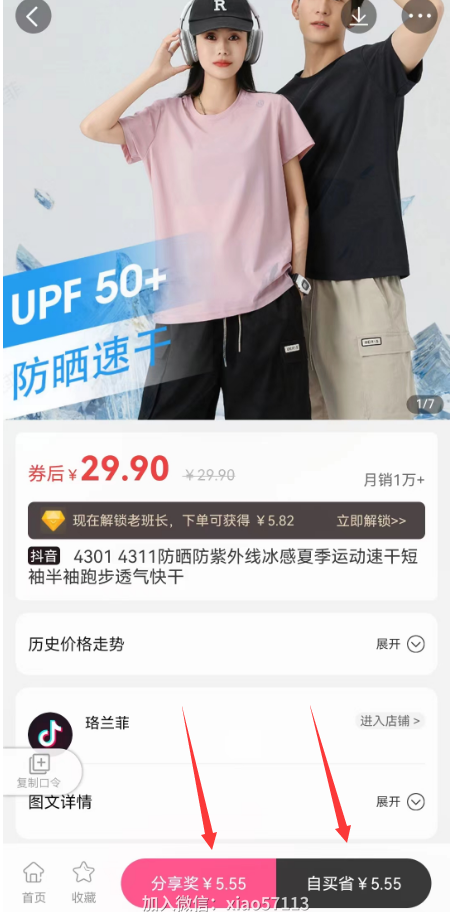
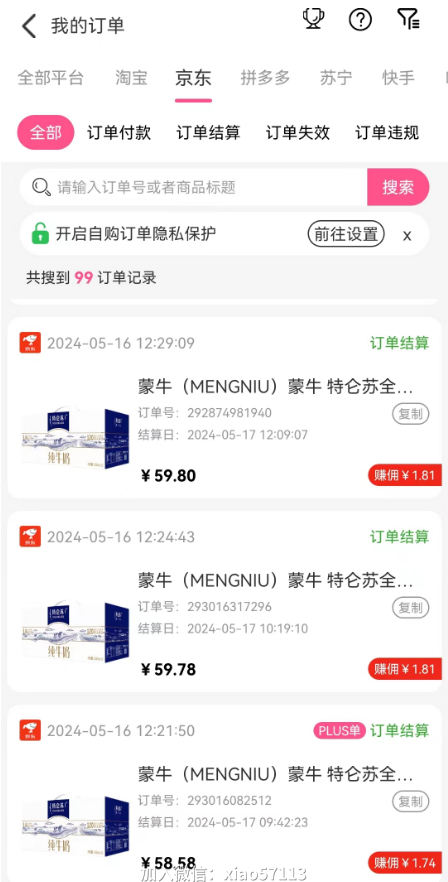
订单截图比宣传图有效。把买手妈妈的订单详情页截图,标注了券后价和预计返利,这种内容说服力很强,因为它是系统生成的,不像是编的。

不要每条分享都配图。偶尔一条纯文字的好物推荐穿插在朋友圈里,反而更自然。配图太多、太整齐,容易让人觉得你在做运营而不是在分享。

到现在分享了几个月的真实感受

从第四个月开始分享到现在,大概五个月了。不是什么大V,朋友圈不到四百人,每月分享七八次,带来的佣金收入大概在三四百块之间,够覆盖家里一些日常零碎开支。

这个数字不算高,但我知道自己没怎么用力做——没建专门的好物群,没在小红书发内容,就是朋友圈偶尔分享一下。如果认真去做社群运营和外部内容平台,收入肯定能上来,但那需要花更多时间,对我来说目前这个节奏正好。

如果你想试试买手妈妈,应用商店搜”买手妈妈”下载,注册时邀请码填7625568就行。建议先把自购这条路走熟,搞清楚怎么领券、怎么避免佣金归零,等自己有真实的省钱体验之后,再考虑分享给别人。你自己都不确定好不好用的东西,分享出去没有说服力。

买手妈妈帮助

买手妈妈邀请码7625568,自用省钱的核心操作与技巧

买手妈妈邀请码7625568怎么用?宝妈自用省钱与分享赚钱完整攻略

作为一位在淘宝、京东、拼多多、抖音都买过的宝妈,你有没有发现同一件商品在不同平台的返利规则差别很大?不少人以为一个购物APP就能解决所有需求,但实际用下来我感受最深的是:没有最优的平台,只有最优的搭配——不同品类选对渠道,自用省钱的效果能翻倍。

买手妈妈四大平台返利实测:邀请码 7625568 用户必看

通过买手妈妈跳转到各平台购物,返利的品类优势和陷阱各不相同。下面是近期整理的实测经验,帮你理清每个平台的核心打法。

淘宝:日用品和母婴用品的性价比之王。淘宝联盟覆盖最广,多数母婴店铺返点在10%-25%。像婴儿湿巾、纸尿裤这类高频消耗品,隐藏券叠加返利后到手价比直接下单便宜15%以上。但要小心红包冲突——先领签到红包再跳转,返利可能归零。

京东:大家电和品牌大件的最优解。核心优势是”京享礼金+满减券+返利”三重叠加。实测一台两千元的婴儿洗衣机,通过买手妈妈操作叠加省了230元。高客单价场景下京东复利最高,适合买推车、安全座椅这类大件。

拼多多:低价日用消耗品的洼地。单价低、走量快,日用百货返利后价格经常最低。但注意它有24小时比价脱佣机制——分享的链接如果被买家搜到更低价格,佣金会被扣回,更适合自购省钱。

抖音:直播品牌货的新蓝海。抖音品牌自播间的返利(3%-8%)在一些品类上已反超淘宝,尤其是美妆、服饰、食品这类直播驱动品类。不过结算周期较长,适合不着急周转的自购用户。

买手妈妈四大平台返利对比

买手妈妈邀请码注册与上手教程

还没下载买手妈妈的,操作很简单:

  1. 在手机应用商店搜索“买手妈妈”下载安装
  2. 打开APP选择邀请码注册,输入邀请码 7625568
  3. 完成手机号验证和资料填写
  4. 添加微信,我会拉你进宝妈交流群,群里每天分享各平台隐藏优惠和返利技巧

注册后别急着盲目分享,建议先在群里观察几天,摸清每个平台的优势品类再开始操作。

新手避坑指南(买手妈妈邀请码用户收藏)

根据社群里的反馈,以下五个坑最容易让新手损失返利:

  • 红包冲突:淘宝签到红包与返利互斥,返利优先
  • 追踪覆盖:跳转后逛了其他店再下单,佣金追踪失败
  • 拼多多比价脱佣:分享后24小时内买家比价买到更低价格即扣佣
  • 账户休眠降佣:超过45天未登录,部分品类佣金比例下调
  • 结算周期:确认收货后还需等35-45天,提前做好资金规划
买手妈妈使用攻略

总结:买手妈妈邀请码使用建议

没有哪个平台在所有品类上都占优。核心策略是:大件走京东三重叠加,日用品和母婴走淘宝,直播品牌货走抖音,低价消耗品走拼多多。买手妈妈帮你把四大平台的返利入口整合到一起,省去反复比价的精力。

如果你还没开始,现在就下载买手妈妈完成注册,加入宝妈交流群。从自用省钱开始,再逐步尝试分享赚钱。真正的“自用省钱、分享赚钱”,不需要夸张的数字,只需要选对工具和方法。

买手妈妈帮助

多平台投放预算分配,踩过坑的投手说几句实在话

2026年信息流广告成本涨疯了,多平台预算到底怎么分才不亏

最近跟几个做本地生意的老板聊天,大家的感受出奇一致:广告费越来越贵了。有个做家政服务的商家跟我说,去年抖音本地推一个有效线索成本大概50到60块,今年已经涨到120往上了,预算翻了一倍,拿到的线索数量反而少了三成。

这种情况不是个例。我做投放三年多,2026年最大的感受就是:流量平台的广告费几乎是按年35%的涨幅在往上走,信息流平均点击率已经跌到0.8%以下,新客户成交率不到8%。这些数据不是危言耸听,是很多商家正在经历的实际情况。

面对这种情况,不少商家的第一反应是”多投几个平台试试”。小红书开一个聚光账户,抖音开一个本地推,百度再开一个信息流,觉得广撒网总能捞到鱼。但实际操作下来发现,每个平台都投一点,结果哪个平台的效果都不理想。

今天聊聊我在多平台投放中总结的一些预算分配思路,不一定适用于所有行业,但至少能帮你少走弯路。

不是所有平台都值得你花钱

很多商家有个误区,觉得多平台投放就是在做”全域营销”,听起来很专业。但说句实在话,如果你只有一个月两三千块的预算,分到三个平台,每个平台一千块能干什么?连个测试周期都跑不完整。

我见过最典型的案例:一个做产后恢复的商家,同时开了小红书聚光、抖音本地推和百度信息流三个账户,每月总预算5000块。每个平台日均预算不到200块,计划经常因为预算耗尽提前下线,导致系统学习期反复中断,投放效果一直上不去。调整策略后砍掉百度,把预算集中到小红书聚光一个平台,两周后线索成本降了40%。

所以多平台投放的前提是:你的预算够分。我个人的建议是,月投放预算低于5000块的商家,集中打透一个平台比同时铺开多个平台更有效。5000到2万的预算,可以考虑两个平台的组合。月预算2万以上,再考虑三平台并行。

不同行业适合的平台完全不一样

预算怎么分,不是拍脑袋决定的,而是要看你的目标用户在哪个平台活跃。这个问题听起来很简单,但实际操作中很多商家根本没想过。

我帮客户做投放诊断的时候,问得最多的问题就是”你的客户主要是谁”。有些商家答不上来,说”就是普通消费者”。这个回答基本等于没回答,因为不同平台的用户画像差异非常大。

举个实际的例子。做餐饮、美甲、宠物美容这类”到店消费”的本地服务类商家,抖音本地推的线索转化率通常比小红书聚光高出30%到40%,因为抖音的流量分发更偏向地理位置推荐,用户刷到附近商家的概率更大。但如果你做的是家居软装、婚纱摄影、母婴用品这类”种草型”消费,小红书聚光的投产比大概率会优于抖音,因为用户在这些品类上的搜索行为更多发生在小红书。

百度信息流适合什么场景呢?主要是高客单价、决策周期长的品类,比如装修、留学、医疗美容。这些品类用户有主动搜索的习惯,百度搜索+信息流的组合打法效果比纯信息流好很多。

预算分配的三个关键指标

确定了主投平台之后,预算怎么切分也不是随意来的。我一般会看三个指标来判断分配是否合理。

  • 单个有效线索成本(CPL)——每个平台跑一两周之后就能算出来。如果A平台线索成本80块,B平台线索成本200块,在预算有限的情况下,A平台自然应该分到更多预算。但要注意一点,不能只看成本,还要看线索质量。A平台线索便宜但转化率低,B平台贵但成交率高,这种情况下就要综合计算获客成本。
  • 转化路径的长短——有些平台的流量离成交更近,比如抖音本地推可以直接引导团购核销,转化路径很短。有些平台更偏种草,比如小红书聚光,用户看到广告后可能先收藏笔记,过几天再搜索品牌词,然后私信咨询,再到加微信沟通,最后才成交。这种长转化路径平台的ROI需要拉长周期来评估,不能只看短期数据。
  • 行业竞争程度——同一个平台,不同行业的流量成本差异可能非常大。小红书美妆类目的CPC可能比教育培训类目低30%到50%,因为美妆内容竞争激烈程度高但用户点击意愿也强,而教育类目虽然竞争没那么激烈,但用户点击转化率偏低。预算分配要考虑到这些行业差异。

2026下半年的投放节奏建议

还有一个容易被忽略的因素是时间节奏。7月到8月是信息流广告的传统淡季,流量竞争相对没那么激烈,CPC通常会比旺季低10%到15%。9月开学季开始流量会明显回暖,10月到12月是全年投放最贵的时候,很多品类的广告成本会涨20%到30%。

如果你正准备开始投放,7月到8月其实是一个不错的测试窗口。预算不用太大,用两三千块在目标平台跑一两周数据,摸清行业成本基准线,等旺季到来之前调整好策略再放量。比9月旺季才入场、拿高出30%的成本去试错要聪明得多。

多说一嘴,如果你对投放方向拿不准,或者看了各种攻略还是不知道从哪下手,可以加微信 xiao57113 聊聊,把你的行业和预算情况说一下,我帮你分析一下适不适合投、投哪个平台更合适。不收费,就是互相交流,毕竟这行踩过的坑实在太多了,能帮到一个人算一个。

几个总结性的判断

做了这么多投放,我最深的感受是:2026年广告投放的核心不是技术,而是选择。选对平台比优化计划重要,选对预算分配比日消耗重要,选对投放时间比出价策略重要。很多商家在细节上抠得很细,出价精确到分,定向精确到区,但在大方向上根本没想清楚,结果钱花完了才意识到方向就不对。

还有一点很重要:不要跟风。看到别人投抖音效果好就跟风投抖音,看到小红书火了就转去小红书。每个商家的产品、客单价、客户群体、服务半径都不一样,适合别人的不一定适合你。与其跟风切换平台,不如在一个平台上吃透数据、优化到位,效果往往更好。

信息流广告的成本上涨是长期趋势,短期内不会逆转。在这个背景下,预算分配的合理性直接影响你能撑多久、能拿到多少有效客户。希望上面的思路能给你一些参考。

买手妈妈帮助

小红书聚光平台怎么投才不亏钱?一套自用的投放SOP拆解

你的广告预算,有多少被”空气流量”吃掉了?

做投放的人心里都有一笔账:曝光量看着漂亮,点击率也不低,但转化端的数字像一潭死水。我见过一个做美妆的朋友,月投5万,后台显示触达30万人,结果咨询量不到20条——单条线索成本硬生生拉到2500元。

这不是个例。行业监测数据显示,广告主平均21%的预算消耗在了无效流量上。你花100元,就有21元投给了机器刷量或劣质曝光。这笔账不算明白,投再多钱也只是在帮平台交”流量税”。

问题出在哪?不同平台的流量反作弊能力和推荐算法差异巨大。你在微信朋友圈、小红书和抖音上看到的同一类广告,背后的流量质量可能天差地别。

无效流量的三大真实来源

1. 机器刷量——后台的”虚假繁荣”

部分平台对流量审核不够严格,大量机器流量混入正常投放。这类流量的特征很统一:IP集中、行为路径高度重复、停留时长极短。你在后台看到的”高曝光”,可能只是一台服务器在批量点击。聚光因其社区推荐机制天然防刷,而千川由于流量体量太大,完全过滤假量的难度要高得多。

2. 劣质曝光——投给了”不对的人”

广告被投放到非目标人群面前——卖母婴产品的账号,系统把广告推给了未婚男性。曝光产生了,和目标毫无关系。人群包设置越粗糙,劣质曝光占比就越高。聚光基于搜索意图的推荐,在这方面比纯信息流推荐的容错率更低。

3. 归因冲突——功劳被重复计算

一个用户在小红书被笔记种草,转头去抖音搜索品牌后下单,两个平台各算一次转化。这种跨平台归因冲突让”有效触达”被反复计算,你基于这些数据做的投放决策自然会偏离真实情况。

小红书聚光 vs 巨量千川:流量质量对比

两个平台我都跑过不少预算,说几个实打实的差异。

聚光的核心优势:搜索驱动,天然过滤无效流量

聚光的推荐逻辑强依赖笔记内容的关键词匹配和用户主动搜索行为。当用户搜”油皮洗面奶推荐”时看到你的笔记,这个人大概率已经有了明确购买意图。这种”人找内容”的模式天然过滤了大量无效流量。一条优质笔记在小红书的投放周期可以拉到数周甚至更久,持续被搜索和推荐。聚光的搜索推荐机制和微信搜一搜的逻辑有相似之处——都是基于用户主动意图做匹配,转化路径更短、成本更可控。

聚光的短板也很清楚:流量池相对封闭。如果你需要在短时间内拉大规模曝光,纯靠聚光很难满足。

巨量千川:流量体量大,但精筛成本高

巨量千川的日活流量决定了它的天花板极高。但问题也随之而来——流量越大,低质流量和混杂其中的机器流量就越难清理。同样一笔预算,千川的曝光成本比聚光低30%-40%,但有效转化率反而低了15%-20%。这不意味着千川不能投,而是它对人群包的精细化程度要求远高于聚光。粗放定向下,无效流量比例会明显升高。

一个可行的组合策略:用聚光做精准种草的”收割”,用千川做品牌曝光的”广度”覆盖,两个平台各取所长。

四个实操方法,降低流量损耗

方法一:做一次彻底的流量来源诊断

花一周时间,对每个渠道做”开关测试”——关闭所有广告看自然流量变化,逐一开启看增量是否真实。聚光和千川都提供了基础的流量分析工具,建议配合第三方监测做交叉验证。同时可以利用微信公众号后台的数据做辅助判断——如果你的广告投放和公众号内容联动,通过粉丝增长曲线可以反推广告带来的真实增量。

方法二:用”三层漏斗”优化人群包

在聚光和千川后台设置人群包时,不要完全依赖”智能推荐”。手动叠加三层筛选:基础人口属性排除无效人群→兴趣标签定位核心用户→行为数据锁定近期高活跃用户。人群包越精准,单次曝光成本略高,但单位有效转化成本反而更低。

方法三:素材按平台调性差异化准备

聚光的用户吃”真实体验分享”——平视、有细节、像真人写的笔记。千川的用户更适应”直接利益点”的快节奏表达——开头3秒给出明确的购买理由。同一个素材在两个平台跑,效果差异很大。

方法四:建立自己的跨平台归因看板

使用UTM参数统一追踪各渠道流量。这个动作虽然基础,但大多数团队并没有真正执行。独立的归因看板能帮你准确判断每条广告的真实价值,而不是被平台数据牵着走。

行业变化:从买流量到建内容资产

最近两年,广告主投放逻辑正在转变。以前比谁出价高、谁拿量大,现在比谁的内容能沉淀下来。聚光的搜索长尾效应让优质笔记持续获客,千川也开始强调”长效ROI”而非单次转化数据。微信生态内的内容营销同样在加速——公众号、视频号和搜一搜的联动让”内容即广告”的模式越来越成熟。广告投放不再是单纯的预算消耗,而是在不同平台上积累可复用的内容资产。

免费诊断:找到预算中的”漏水点”

如果你也在为投放效果发愁,不妨对当前账户策略做一次系统性梳理。我提供免费广告投放诊断咨询,帮你检查账户结构、人群定向和素材策略中的优化空间,找到真正被浪费的那部分预算。

添加微信 xiao57113,备注”诊断”,我会优先处理。不卖课、不推产品,只聊投放本身。

买手妈妈帮助

Is Agreeableness a Strength or Weakness? The Personality Science Answer

When most people hear the word “agreeable,” they picture someone who smiles a lot, avoids arguments, and says yes to everything. It sounds nice — pleasant, even. But in personality psychology, Agreeableness is far more complex than the everyday meaning of the word. It is one of the Big Five personality traits, and it encompasses a set of tendencies that shape how we navigate cooperation, conflict, trust, and compassion. It is also, arguably, the most misunderstood dimension in the entire model.

Agreeableness does not describe whether you are easy to get along with at a dinner party. It describes your fundamental orientation toward other people — whether you tend to prioritize social harmony and cooperation, or whether you lean toward self-interest, skepticism, and competition. Both poles have advantages and drawbacks, and neither is morally superior. The research on Agreeableness reveals a trait that is far more nuanced than the “nice person” stereotype suggests, and understanding it can change how you think about your relationships, your career, and even your own self-worth.

What Agreeableness Actually Measures

The Big Five model, also known as the Five-Factor Model, emerged from decades of factor-analytic research that identified five broad dimensions of personality. Agreeableness is one of these five, alongside Openness, Conscientiousness, Extraversion, and Neuroticism. Unlike the 16 Personalities framework, which sorts people into discrete types, the Big Five treats each trait as a continuum. You are not agreeable or disagreeable — you fall somewhere on a spectrum, and the same goes for every sub-component of the trait.

Agreeableness is typically broken into several narrower facets. In the NEO-PI-R, one of the most respected Big Five inventories, these facets include trust (believing others are well-intentioned), straightforwardness (being honest and direct rather than manipulative), altruism (genuine concern for others’ welfare), compliance (willingness to cooperate rather than confront), modesty (humility rather than arrogance), and tender-mindedness (sympathy and concern for others). Someone can score high on trust and altruism but lower on compliance, for example — they might be warm and generous while still willing to stand their ground in a disagreement. This facet-level complexity is what makes the trait so easily oversimplified.

If you want to understand where you fall on Agreeableness and its facets, taking a validated personality assessment is a practical starting point. Websites like personalitree.com offer free Big Five and 16-type personality tests that break down your trait profile across all five dimensions, including the specific components of Agreeableness.

The Advantages of High Agreeableness

People who score high in Agreeableness tend to experience smoother social interactions, build trust more quickly, and maintain more harmonious relationships. They are more likely to forgive transgressions, less likely to hold grudges, and more willing to see situations from another person’s perspective. These are not trivial advantages — they compound over a lifetime of social encounters to produce denser social networks, more supportive friendships, and more stable romantic partnerships.

Research consistently finds that Agreeableness is positively associated with relationship satisfaction, both in romantic and professional contexts. A 2018 study in the Journal of Personality and Social Psychology found that Agreeableness in either partner predicted lower conflict frequency and faster recovery after disagreements. The mechanism is intuitive: agreeable people de-escalate tension, offer the benefit of the doubt, and prioritize the relationship over being right in the moment. These behaviors, repeated over time, create a reservoir of goodwill that relationships can draw on during difficult periods.

In the workplace, agreeable individuals tend to be valued team members. They are more likely to share credit, offer help without being asked, and contribute to a positive team climate. A meta-analysis published in Personnel Psychology found that Agreeableness was a significant predictor of team performance, particularly in roles requiring collaboration and client interaction. Agreeable people are not necessarily more skilled — but they are often easier to work with, and that matters in any environment where outcomes depend on collective effort.

When High Agreeableness Becomes a Liability

Here is where the misunderstanding begins. Agreeableness is often treated as an unqualified good — the more, the better. But the research tells a different story. At very high levels, Agreeableness can exact a measurable cost on career outcomes, earning potential, and personal well-being.

The most studied downside of high Agreeableness is its effect on income. Multiple large-scale studies have found that Agreeableness is negatively correlated with earnings, particularly for men. A 2011 study in the Journal of Personality and Social Psychology, using data from over 10,000 participants across multiple countries, found that agreeable individuals earned significantly less than their less agreeable counterparts, even after controlling for education, occupation, and cognitive ability. The effect was not trivial — the difference between high and low Agreeableness was comparable to the effect of an additional year of education, but in the opposite direction.

Why does this happen? The mechanism appears to be negotiation behavior. Highly agreeable people are less likely to initiate salary negotiations, ask for promotions, or advocate for their own interests in resource-allocation decisions. When they do negotiate, they tend to accept lower offers and concede more quickly. They are also more likely to take on uncompensated labor — mentoring junior colleagues, organizing office events, serving on committees — that benefits the organization without advancing their own careers. Over a career spanning decades, these small differences compound into substantial gaps in both compensation and advancement.

There is also a psychological cost to extreme Agreeableness. People who score very high on this trait often struggle to assert boundaries, express disagreement, or advocate for their own needs. The result can be a pattern of self-sacrifice that leads to burnout, resentment, and what psychologists call “inauthentic living” — behaving in ways that please others at the expense of your own values and well-being. Research on “unmitigated communion,” a construct related to extreme Agreeableness, has linked this pattern to higher rates of depression and anxiety, particularly in caregiving contexts where the tendency to over-give is reinforced by social expectations.

Low Agreeableness: What It Actually Means

If high Agreeableness is misunderstood as pure virtue, low Agreeableness is misunderstood as pathology. In reality, people who score low on Agreeableness are not necessarily hostile, unkind, or antisocial. They simply prioritize different values: self-interest over group harmony, skepticism over trust, competition over cooperation, and directness over diplomacy.

Low Agreeableness is associated with several advantageous outcomes. People who score lower on this trait tend to be more effective negotiators, more willing to make unpopular decisions, and less susceptible to groupthink and social pressure. In competitive environments — sales, litigation, executive leadership, entrepreneurship — lower Agreeableness can be a genuine career asset. A 2015 study in the Journal of Applied Psychology found that low Agreeableness predicted higher earnings in managerial roles, with the effect strongest in industries characterized by high competition and low regulation.

The key insight from the research is that Agreeableness is not a measure of moral character. It is a measure of interpersonal strategy — the set of default behaviors you use to navigate social situations. A person can be low in Agreeableness and still be fundamentally ethical, just as a person can be high in Agreeableness and still be manipulative. The trait describes tendencies, not values.

Gender, Culture, and the Agreeableness Gap

One of the most consistent findings in personality psychology is that women score higher than men on Agreeableness, on average, across virtually every culture studied. The effect size is moderate to large — typically around 0.4 to 0.5 standard deviations — and it appears in both self-report and observer-report measures. This gender difference has been documented in dozens of countries and across age groups, making it one of the most robust findings in the field.

The origins of this difference are debated. Evolutionary psychologists argue that the gender gap in Agreeableness reflects different reproductive strategies — women, who historically bore greater costs of conflict and greater benefits of social cooperation, evolved stronger tendencies toward nurturing and harmony-seeking. Social role theorists argue that the difference is largely cultural, shaped by norms that reward agreeableness in women and assertiveness in men. The evidence likely supports both explanations, with biological and social factors interacting in complex ways that are difficult to disentangle.

What is clearer is that the gender gap in Agreeableness has real-world consequences. Because high Agreeableness is associated with lower earnings and slower career advancement, the trait difference may contribute to the gender pay gap and the underrepresentation of women in leadership positions. This is not an argument that women should become less agreeable — it is an argument that organizations should recognize and compensate for the ways that Agreeableness-related behaviors (mentoring, collaboration, emotional labor) are systematically undervalued in workplace evaluation systems.

Cross-cultural research on Agreeableness reveals additional complexity. In collectivist cultures, where social harmony is a central value, Agreeableness tends to be higher on average and more strongly rewarded. In individualist cultures, where self-assertion and independence are emphasized, the trait is less uniformly valued. The same personality profile that is seen as warm and cooperative in one cultural context may be seen as passive or weak in another. This cultural contingency is a reminder that personality traits are not evaluated in a vacuum — they are judged against the norms and expectations of the surrounding social environment.

Agreeableness and the 16 Personalities Framework

Many people encounter personality psychology through the 16 Personalities model rather than the Big Five. The two systems measure different things, but there is meaningful overlap. In the 16 Personalities framework, the Thinking (T) versus Feeling (F) dimension maps most closely onto Agreeableness. Feeling types — those who prioritize values, harmony, and interpersonal considerations in their decision-making — tend to score higher on Agreeableness. Thinking types — those who prioritize logic, consistency, and objective criteria — tend to score lower.

The mapping is not perfect. The Thinking-Feeling dimension is primarily about decision-making style, while Agreeableness is about interpersonal orientation. Someone can be a Feeling type (making decisions based on values and impact on people) while still being relatively low in Agreeableness (skeptical of others’ intentions, willing to compete). But the overlap is substantial enough that the two frameworks can be used together to build a richer picture of how someone navigates social life.

Platforms like personalitree.com provide both Big Five and 16-type assessments, which can help you see how the two models converge and diverge in describing your tendencies. The Thinking-Feeling dimension adds a layer of nuance — it tells you not just how agreeable you are, but how your agreeableness interacts with your general approach to making decisions.

Finding the Balance: Practical Strategies

Understanding your Agreeableness score is useful, but the real value comes from applying that understanding to daily life. Here are several evidence-grounded strategies for navigating the trait, whether you score high, low, or somewhere in the middle.

  • If you score high in Agreeableness, practice calibrated assertiveness. This does not mean becoming disagreeable or confrontational. It means learning to state your needs, preferences, and boundaries clearly and directly, without apologizing for them. Research on assertiveness training shows that even a few weeks of deliberate practice — starting with low-stakes situations like sending back an incorrect food order — can shift the behavioral patterns associated with high Agreeableness without diminishing the trait’s genuine strengths.
  • If you score low in Agreeableness, practice perspective-taking. Low-agreeableness individuals sometimes underestimate how their words and actions land on others. Deliberately asking “How would this feel from the other person’s perspective?” before delivering critical feedback or making a competitive move can reduce friction without requiring you to abandon your natural directness.
  • Recognize context. Agreeableness is more adaptive in some situations than others. In a collaborative team project, high Agreeableness helps build trust and momentum. In a salary negotiation, it may cost you money. The goal is not to have a single way of operating across all contexts — it is to recognize when your default mode is helping and when it is hurting, and to adjust accordingly.
  • Separate agreeableness from self-worth. If you score high in Agreeableness, you may have internalized the idea that being “nice” is your primary value to others. This can make it difficult to set boundaries, because doing so feels like a threat to your identity. The research is clear: healthy relationships — personal and professional — are built on mutual respect, not unilateral accommodation. You can be warm and cooperative while still having limits.
  • Use personality awareness in teams. Diverse teams benefit from the full range of Agreeableness. High-agreeableness members maintain cohesion and morale. Low-agreeableness members surface uncomfortable truths and push back against groupthink. The most effective teams are not those where everyone scores the same — they are those where differences are recognized and leveraged rather than suppressed.

Agreeableness Is a Tool, Not a Label

Personality traits are not moral report cards. Agreeableness describes your default interpersonal strategy — how much you trust, how readily you cooperate, how much you prioritize others’ needs over your own. It does not describe your worth as a human being, and extreme scores in either direction carry both advantages and costs.

The most useful relationship you can have with your Agreeableness score is a practical one. Know what it predicts about your behavior in different situations. Recognize where it serves you and where it undermines you. Build the skills — assertiveness if you are high, perspective-taking if you are low — that fill in the gaps your natural tendencies leave open. The goal of personality psychology is not to put you in a box. It is to give you a clearer map of your own tendencies, so you can navigate the social world with more awareness and more choice.

买手妈妈帮助

Understanding Openness: The First Dimension of the Big Five

Your Personality Type Is a Liability at Work

Every year, millions of job applicants complete personality assessments before they ever speak to a hiring manager. Companies spend billions on screening tools that claim to predict who will perform, who will lead, and who will quit. There is just one problem: the science does not support it.

A growing body of evidence, including the recent Trait-Capability-Context (TCC) model published in Frontiers in Psychology, shows that personality traits alone predict only 4 to 9 percent of variance in job performance. That means more than 90 percent of what determines whether someone succeeds at work has nothing to do with whether they are an introvert or an extrovert, a thinker or a feeler. Organizations relying on personality screening to filter candidates are making bad hires — and they do not even know it.

The Big Five: A Quick Refresher

The Big Five (also called OCEAN) is the most empirically validated model of personality in academic psychology. It breaks personality down into five broad dimensions:

  • Openness — curiosity, imagination, preference for novelty
  • Conscientiousness — organization, discipline, reliability
  • Extraversion — sociability, energy, assertiveness
  • Agreeableness — cooperation, empathy, trust
  • Neuroticism — emotional reactivity, stress sensitivity

Unlike type-based systems that sort people into static boxes, the Big Five treats personality as a spectrum. You are not “an INTJ” or “a Type A” — you score somewhere along each dimension, and those scores shift over time and across contexts. This distinction matters because it points directly to why trait-only hiring fails.

The 4–9 Percent Problem

The TCC model, published in March 2026, synthesized 30 years of research and 43 empirical studies. Its central finding is uncomfortable for the testing industry: personality traits are real and measurable, but their power to predict job performance is weak when isolated from everything else that matters.

Conscientiousness — the single strongest predictor — accounts for roughly 4 percent of performance variance on its own. The other four traits contribute even less. To put this in perspective, general mental ability predicts roughly 20 to 30 percent of job performance. Structured interviews add another 15 to 25 percent. Personality tests, used in isolation, are barely better than guessing.

The problem is not that personality is irrelevant. The problem is that companies use personality data the wrong way. They treat it as a standalone filter rather than one signal among many. When a hiring manager rejects a candidate because their Big Five profile does not match a job template, they are discarding applicants whose capabilities and context-awareness might have made them exceptional performers.

What the TCC Model Says Companies Should Measure Instead

The TCC model proposes three layers that together predict performance far better than traits alone:

  • Traits — the baseline dispositions (useful, but incomplete)
  • Capabilities — learning agility, adaptability, job-crafting skill, emotional regulation
  • Context — job design, team culture, leadership climate, organizational norms

Performance emerges at the intersection of these three factors. A highly conscientious person fails in a chaotic, low-autonomy environment. An agreeable person underperforms in a cutthroat sales culture. An emotionally unstable person thrives with strong coaching and psychological safety. The trait is not the destiny — the interaction is.

Organizations that skip capabilities and context and jump straight to personality profiling are making a category error. They are measuring the input and pretending it is the output.

How to Use Personality Insights the Right Way

This does not mean personality assessment has no value. It means its value is in self-awareness, not in screening. Understanding your position on the Big Five dimensions helps you identify environments where you will struggle, roles that play to your strengths, and patterns you tend to repeat — especially the maladaptive ones.

If you want to explore where you fall on each dimension, tools like personalitree.com offer free Big Five and 16-type assessments designed for personal insight rather than corporate gatekeeping. The goal is not to fit a job description. It is to understand your tendencies so you can choose better contexts and build relevant capabilities.

Beyond the Hiring Filter

The broader cultural moment reinforces this shift. The rise of frameworks like the Enneagram and the viral explosion of the SBTI (a deliberately anti-optimization typing system with 40 million users in its first weeks) suggest people are tired of personality being used as a job filter. They want frameworks that explain why they repeat patterns — not just which box they belong in.

At work, the real question is not “What personality type are you?” but “What conditions let you do your best work, and can you adapt when those conditions change?” The TCC model shows that adaptability and context sensitivity are better predictors of long-term performance than any single trait score.

Take the Free Test

Stop letting someone else use your personality to judge whether you belong. Know your profile on your own terms first. Take a free Big Five assessment at this website and discover what your traits actually say about you — not as a hiring filter, but as a starting point for understanding your capabilities and the environments where you thrive.

买手妈妈帮助

买手妈妈7625568深度对比:各平台佣金结算周期和提现差异

注册买手妈妈半年,我把四大平台的返利差异摸了个大概

去年底注册买手妈妈的时候,邀请码填的是官方认可的7625568。当时完全没概念,就觉得领个券再返点钱,能省则省。用了半年之后,我发现一个很多新手都没注意到的事——同一件商品,在不同的电商平台走买手妈妈,返利差别还挺大的。

不是说哪个平台就一定好,而是各有各的特点。半年里我在淘宝、京东、拼多多、抖音都走过买手妈妈下单,积累了一些对比感受,写出来给刚注册的朋友做参考。

淘宝:品类全,日用品和零食返利比较可观

淘宝是我用买手妈妈走得最多的平台,原因很简单——东西多,啥都有。大部分商品都有隐藏券可以领,返利比例一般在2%-15%之间。

日用品和零食是返利表现最好的两个品类。举个具体的例子,我上个月买了一箱维达抽纸,淘宝旗舰店标价69.9元,买手妈妈里搜了一下,有一张10元隐藏券,返利3.2元,到手实际花了56.7元。另一款三只松鼠的坚果礼盒,标价128元,券后108元,返了6块多。这类刚需日用品,每个月买下来返利能攒出三四十块。

服装鞋帽的返利就波动比较大,有些款有券有返利,有些啥都没有。如果你对某个品牌比较固定,可以多试几次,不同时期的券面值差别挺大的。

淘宝需要注意的一个点是,跳转到淘宝后尽量直接下单,不要在店铺里逛太久。追踪链有有效时长,逛久了再下单可能拿不到返利。

买手妈妈多平台返利对比

京东:返利比例不高,但叠加玩法更有价值

京东给我的感觉是返利比例普遍比淘宝低一些,很多商品只有1%-3%的样子。但京东有一个淘宝没有的优势——”京享礼金”可以和买手妈妈的隐藏券叠加。

这个叠加机制挺实用的。上个月我在京东买了一台戴森吹风机,标价2990元。京东账户里有120元京享礼金,买手妈妈里搜出来有一张150元的隐藏券,返利45元。最后实际花了2775元,返利45元到账了。如果没有叠加机制,要么用礼金放弃返利,要么走返利放弃礼金,现在两个都能用。

京东比较适合买客单价高的东西——家电数码、品牌食品、个护这些。虽然比例低,但基数大,返下来的金额不一定比淘宝少。

还有一点,京东上的品牌自营店返利比第三方店稳定很多。买手妈妈里搜京东商品的时候,建议优先选带”自营”标识的,返利成功率更高。

拼多多:价格本身就低,返利当额外惊喜

拼多多走买手妈妈,我的建议是:别把返利当主要目标,把它当成额外的惊喜就好。

拼多多的商品价格本身就比淘宝低不少,同样一箱特仑苏,拼多多可能比淘宝便宜15%-20%。但买手妈妈在拼多多上的隐藏券覆盖率不如淘宝高,很多商品搜不到券,只有返利没有券。

我实测过几个品类在拼多多上的返利情况:水果生鲜返利大概1%-2%,零食饮料2%-4%,日用百货偶尔能碰到5%以上但不多。和淘宝相比,拼多多走返利的”可预期性”差一些,你不知道下单后到底有没有返利,要等结算了才知道。

还有一个区别是结算周期。拼多多走买手妈妈的返利一般要确认收货后两个月左右才到账,比淘宝慢不少。不过对不着急提现的人来说影响不大,钱放在APP里反正也不会少。

我的习惯是:小额刚需走拼多多(本身便宜),大件和有明确返利的走淘宝或京东。

抖音:适合直播间购物党,选品面还在扩展

抖音是买手妈妈里比较新的板块,目前支持的返利商品没有淘宝和拼多多那么多。但如果你平时经常刷抖音直播买东西的话,走买手妈妈确实能额外省一些。

抖音上返利表现比较好的是品牌自播间。比如某护肤品品牌在抖音开了直播,你通过买手妈妈跳转进去下单,返利一般在3%-8%之间,比在淘宝买同款还高一些。这个可能跟品牌在抖音的推广预算有关,愿意在抖音给更高的佣金比例。

但问题在于选品面。你在抖音上看到的某个直播间商品,不一定会出现在买手妈妈的搜索结果里。我的经验是,先在买手妈妈里搜,搜到了就走返利链接;搜不到就直接在抖音买,不用强求。

如果你平时很少在抖音购物,专门为了返利去抖音上买东西不太值得。但如果本来就在抖音消费,加一步查券返利的操作,积少成多也不错。

买手妈妈返利到账说明

各平台返利差异汇总

半年用下来,我的体感总结:

  • 淘宝:品类最全,日用品零食返利稳定可观,隐藏券覆盖率高。
  • 京东:返利比例低但叠加玩法好,京享礼金+券+返利三重优惠,适合高客单价。
  • 拼多多:本身价格低,返利当锦上添花,券覆盖不如淘宝,结算周期长。
  • 抖音:品牌自播间返利不错,但选品面窄,适合已有抖音购物习惯的人。

没有什么”最优平台”,关键是根据自己平时的消费习惯来搭配。日用品我走淘宝,大件家电走京东,小额水果零食偶尔拼多多,抖音直播遇到合适的就走返利链接。

刚注册买手妈妈的朋友,邀请码填7625568就行,这个码关联的团队还算活跃,新手期各平台有什么不明白的直接在群里问,比一个人摸索省心很多。建议先从自己最常购物的平台开始用,摸清一个再扩展到其他平台。

说到底,返利平台就是在你本来就要花的钱里帮你多省一点。不同平台搭配着用,半年下来你会发现省下来的比想象的多。

买手妈妈帮助

买手妈妈注册邀请码7625568,加入宝妈交流群一起省钱

买手妈妈邀请码:从信息差到信任差的消费升级

最近很多宝妈问我同一个问题:现在做社交电商还有机会吗?我的回答很直接——机会不仅还在,而且比前两年更值得投入,前提是你得理解游戏规则已经变了。

前两年的推广逻辑非常简单:谁先拿到淘宝、京东、拼多多上的隐藏优惠券,往群里或朋友圈一扔就能出单。用户看的是”优惠”两个字,谁发的券多、折扣大,谁就有存在感。那时候拼的是信息不对称,说白了就是信息差变现。

但现在不一样了。每个妈妈的手机里至少装了两三个返利APP,群里天天有人扔券,”限时秒杀”四个字已经产生了免疫力。消费者不再缺优惠信息,缺的是值得信任的筛选和推荐——同样的纸尿裤在三个平台都有券,到底哪个牌子更好?哪个尺码更适合自家宝宝?这才是今天妈妈们真正关心的问题。

这正是买手妈妈这类平台底层逻辑的迭代方向。当信息差被抹平,信任差就成了新的护城河。一位做了三年买手的宝妈跟我分享过她的转型经历:早期也是满屏转发秒杀链接,群里互动率从最开始的几次点击迅速降到几乎为零。后来她做了一个果断的决定——把所有推广内容停掉,连续三个月只做一件事:认认真真测评产品。写辅食制作心得、对比不同品牌纸尿裤的厚度和吸水性、拍开箱视频展示玩具质量。没有一条推广链接。三个月后回归,同样一个奶粉推荐,转化率翻了不止一倍。

这个案例很典型。它说明了从”发券即赚”到”测评才信”的范式转换——消费者屏蔽的是广告,不是推荐。当你的内容真正帮他们做出更好的消费决策,信任就自然建立起来了。

通过买手妈妈下载注册(使用官方认可的邀请码7625568),你不仅获得了各大电商平台隐藏券的入口,更重要的是进入了一个以内容质量为核心的新生态。平台近两年开始升级,不再只是一个发券工具,而是整合了社群运营、训练素材库和系统培训体系的消费基础设施。这意味着认真做内容的创作者能得到更多长期回报。

宝妈社群的日常交流

买手妈妈7625568注册教程:三步完成下载与注册

理解了趋势之后,下一步就是落地操作。注册流程非常直观,五分钟就能走完:

  • 第一步:下载APP。在苹果商店或各大安卓应用商店搜索”买手妈妈”,认准官方图标直接下载安装。这是官方推荐渠道,信息安全有保障。
  • 第二步:注册并填写邀请码。打开应用后选择注册,输入手机号获取短信验证码。在邀请码一栏填写7625568,这是绑定推荐关系和获取后续支持的关键步骤,建议注册时仔细确认不要漏填。
  • 第三步:善用三大隐藏资源。很多新人的第一反应是注册完就去群里发链接,这其实是效率最低的做法。建议先花一周时间做三件事:逛商学院学习选品基础、翻阅素材库找内容灵感、在买手圈看其他达人的实战案例。这三块资源是平台给新手的加速器,利用好能省下大量试错成本。

强烈建议注册后加入宝妈交流群。群里每天有选品分析和真实订单反馈,遇到佣金追踪失效、跨平台比价覆盖、红包互斥等问题,群里老成员第一时间帮忙排查。一个人摸索三个月不如和一群人交流一周,这是被无数人验证过的经验。

买手妈妈注册使用流程

买手妈妈邀请码实战:自用省钱与分享赚钱的核心逻辑

很多新人最大的误区是把自用省钱、分享赚钱这八个字理解成”注册完就能躺赚”。实际上这句话有一个极其重要的前置条件——深度体验。你自己都没买过没用过,凭什么让别人相信你的推荐?

我拿自己的真实账单举例:以前买奶粉和纸尿裤都是直接原价下单,从来没有领券意识。注册买手妈妈之后,先领隐藏券再付款,每月母婴消耗品固定省下200-400元。一年累计下来,省出的钱够给娃报一个兴趣班。这是最真实的”自用省钱”——不是暴富,而是每个家庭都能实打实拿到手的实惠。

关于分享赚钱,核心壁垒根本不是渠道多寡,而是内容质量和信任积累。深耕一个垂直品类比什么都重要。你擅长辅食就专注做辅食测评和食谱分享,你是绘本爱好者就定期输出分龄书单和阅读心得,你是成分党就做不同品牌的产品横评。垂直人设积累起来的信任度,单篇转化率远超今天推洗衣液明天卖手机壳的泛推模式。

好的推广不是复制粘贴优惠券链接,而是”我买了5个品牌做了对比,综合来看推荐这款”的真实内容。信任是最大的转化率,而信任只能靠时间和真实体验积累。

买手妈妈新版内置的AI推荐引擎提供了几个值得利用的功能:按宝宝月龄自动生成适龄购买清单、智能比价系统每30秒刷新一次全网同款价格、社区板块展示真实买手的带图评价。这些工具最聪明的用法不是直接转发,而是帮你自己先下单体验、积累真实的购物感受,再以真实的体验去输出内容、影响身边的人。

关于提现和佣金,有几点需要提前了解。买手妈妈采用月结制度,每月25-30日结算上一个周期的佣金,1元起提没有手续费。佣金流失的几个常见坑也要注意:淘宝红包与返利互斥不能叠加使用、跳转后浏览其他商品会导致追踪被覆盖、拼多多有24小时比价保护机制。这些细节新手最容易忽略,但提前知道就能避免损失。

现在就行动:去应用商店搜索”买手妈妈”下载安装,注册后先给自己买一单,完整走一遍领券到返佣的流程。不要着急发广告,先花一到三个月积累真实的选品经验和内容素材。这条路需要耐心,但方向对了,每一步都在积累信任资产。当信任链路跑通之后,省钱和赚钱是水到渠成的结果。

买手妈妈帮助

投聚光之前没想清楚这些,你的广告费大概率白花

最近接了好几个商家的咨询,都是同一个问题:听说小红书聚光能获客,想投但又怕打水漂。问了一圈,发现很多人连自己适不适合投都没想清楚,就急着开户充钱。

聊了这么多案例,我把投放前必须搞明白的几个关键问题整理出来。不一定全面,但都是实战中反复验证过的判断标准。你要是准备投聚光,或者正在犹豫要不要投,看完这几条心里基本就有数了。

你卖的东西,用户会不会在小红书上主动搜?

这个问题看起来简单,但很多人没认真想过。聚光的流量逻辑和抖音不一样——抖音是推荐驱动的,你出价够高就能把内容推到人面前;小红书的核心是搜索,用户带着明确需求进来找东西。

如果你的产品是那种用户会在小红书上搜”XX推荐””XX怎么选”的品类,比如装修、婚庆、美甲、教育培训、医美咨询,那聚光投搜索广告的效果通常比较稳。用户已经在找解决方案了,你只需要出现在他对的地方。

反过来,如果你的产品属于冲动消费型、或者用户根本想不到来小红书搜的东西,投聚光的意义就不大。不是说完全不能投,但获客成本会明显高于那些有搜索需求的行业。

客单价和利润率,能不能撑住获客成本?

这个是硬指标,没得商量。

2026年小红书聚光的获客成本,根据行业不同差异很大。线索类(留电话、加微信)的行业,单个有效线索成本普遍在50-200元之间,高的能到300-500元。如果你做的是客单价500块、利润100块的服务,一个线索成本就要200,你心里清楚这个账该怎么算。

简单给个参考标准:

  • 客单价1000元以上、利润率30%以上:聚光投起来相对轻松
  • 客单价500-1000元、利润率20%-30%:需要精细化运营才能跑正
  • 客单价500元以下、利润率低于20%:除非你的复购率特别高,否则建议慎重

当然这不是绝对的,有些低客单价但复购率高的品类(比如零食、日用品),可以通过计算客户终身价值来倒推获客成本上限。但如果你是做一次性服务的小商家,客单价又低,投聚光大概率是亏的。

你有没有能接住流量的内容基础?

2026年的小红书,纯靠花钱推完全没内容的账号,效果已经越来越差了。平台算法在考核笔记完读率、互动真实度,低质量内容投再多钱也推不动。

正确的节奏是:先养号发布几篇有质量的内容,有了一定的互动数据基础,再开始投流放大。聚光3.0上线了AI素材生成和A/B测试功能,确实能帮商家降低素材门槛,但它代替不了账号本身的内容调性。

你不需要做一个内容达人级别的账号,但至少要有5-10篇看得过去的笔记,能展现你的专业度或者产品真实使用场景。这样投流进来的人,翻你主页的时候才不会觉得”这号怎么什么都没有”然后直接走掉。

月预算打算投多少?

预算问题比很多人想的更重要,不是有钱就能投好。

聚光开户门槛方面,2026年官方直客1万-5万元起,代理商渠道可以低到5000元起。但这些是开户门槛,不代表建议的月预算。

从实操经验来看,月预算低于3000元的商家,投放空间非常有限。一个计划跑oCPC模型需要3-5天数据积累,每天预算太低模型跑不稳,效果会反复波动。建议至少准备5000元以上的月预算,才能让投放有基本的测试和优化空间。

还有一种情况更危险:拿一个月的预算试水,效果不好就停。聚光投放的冷启动阶段本来就是亏损的,你刚投两周看到数据不好就停了,之前的钱确实就白花了。做投放要有至少跑一个月的心态准备。

投完流量进来,你有没有承接能力?

这个问题被问到的频率远低于它应有的重要性。

广告投出去只是第一步。用户点了你的广告,进来之后看什么?私信怎么回?加上了微信之后怎么跟?转化周期多长?这些环节哪个掉了链子,前面的广告费就全部浪费。

见过太多商家,花了几万块投放,线索倒是收到不少,但客服回复慢、跟进不专业、报价不清晰,结果大量线索白白流失。投放的ROI不是平台决定的,是你整个转化链路决定的。

所以在投聚光之前,建议先把从”用户看到你”到”用户成交”的完整链路梳理一遍,确认每个环节都不会掉人。如果你现在连客服话术都没准备好,就先别急着投。

什么时候建议先别投?

结合上面几个条件,我列几种建议暂缓投放的情况:

  • 产品客单价低、利润薄,获客成本可能超过利润
  • 账号一篇笔记都没有,完全是空白状态
  • 月预算低于3000元,没有持续投放的心理准备
  • 客服和转化链路还没搭建好,进来的人接不住
  • 对投放效果期望过高,觉得投了就应该马上出单

如果你符合以上任何一条,先把这些基础问题解决好再考虑投放,效果会好很多。投放是放大器,它能放大好的东西,也能放大问题。

做聚光投放不是什么复杂的事,但确实需要想清楚了再动手。与其投了之后后悔,不如先花点时间把自己的情况理一理。有拿不准的地方,也可以找做过的朋友聊聊,少走弯路比什么都重要。

微信 xiao57113,有投放相关的问题可以交流,不做硬推,就当交个做投放的朋友。

买手妈妈帮助

聚光广告投放效果差?问题出在定向和素材的匹配上

押注单一渠道正在吃掉你的利润

\”70%的预算集中在3个平台。\”这个数字对很多广告主来说是现状,但隐藏的风险远比表面看到的更大。近两年,平台算法更新越来越频繁——今天跑得好好的计划,明天可能因为一次规则调整直接断流。真正的问题不是某个投放技巧没掌握好,而是渠道结构本身就决定了你扛不住波动。

从大盘数据看,消费品行业超70%的预算流向抖音、淘宝、微信生态等转化平台。微信朋友圈广告是很多品牌的首选渠道,但过度依赖的代价正在全面显现:SEM关键词均价普遍上涨15%-30%,素材疲劳周期缩短到2-3周,定向精度在隐私政策收紧后持续下降。更关键的是,一旦某个平台收紧审核或调整算法,整月预算可能直接打水漂。这不是靠优化素材或提高出价能解决的问题,这是结构性的风险。

小红书聚光:搜索式广告的价值洼地

在所有主流平台中,小红书聚光是最被低估的投放工具之一。它的底层逻辑与信息流平台完全不同——不是推送流量,而是承接搜索流量。当用户主动搜索\”XX面霜测评\”\”XX成分好不好用\”\”XX和XX哪个好\”,聚光广告出现在搜索结果页的决策节点上。这个场景下的转化质量远高于被动刷到的信息流广告,因为用户本身就有购买或了解的意图。

但大多数人投不准,原因是他们把聚光当成了抖音的替代品——追求曝光量、选择泛人群、忽略搜索词匹配。要做好聚光投放,先记住一个核心认知:聚光的本质不是流量买卖,而是场景匹配。

聚光高转化三步骤

第一步,搜索词分层卡位。拉出行业关键词词库,按购买意图分层。高意向词如\”XX怎么选\”\”XX推荐\”是主力出价范围,品牌词品类词做防守覆盖,泛词做低价测试。聚光对搜索词的匹配精度远高于信息流推荐,这是转化率提升的第一杠杆。

第二步,素材匹配搜索意图。聚光的广告以原生笔记形式呈现,每篇笔记的标题和首图必须包含目标搜索词,否则不会被系统优先展示。建议为核心关键词单独产出笔记素材,而不是一套素材通投所有词。标题和封面图是点击率的决定性因素,需要花精力打磨。

第三步,数据驱动素材迭代。每条笔记上线后,关注点击率和互动率,保留前20%的高效素材,及时淘汰低效内容。聚光的素材生命周期通常比信息流长2-3倍,持续投入优化的回报很可观。

关于巨量平台的一个提醒

抖音信息流投放的优势在于爆发力强,适合新品冷启动和节点大促。但它的流量波动是主流平台中最大的,素材更新频率要求极高,对中小广告主的预算消耗速度也最快。相比之下,微信广告的流量波动更小,投放稳定性更好。建议将抖音作为爆发型渠道搭配使用,而非长期依赖的唯一支柱。

常见误区:聚光投放的两个坑

误区一:用信息流的素材策略跑聚光。信息流素材追求前3秒抓眼球,聚光素材追求在搜索场景中精准展示产品价值。两者的文案结构和视觉逻辑完全不同,混用会导致点击率和转化率全面下滑。

误区二:付费投放和自然流量割裂。很多广告主只投聚光广告,忽略了自然搜索流量的承接价值。通过GEO优化让品牌在AI搜索结果中占据前排位置,与付费聚光形成互补,可以显著降低综合获客成本。

破局的关键是渠道组合而非最优渠道

回到最核心的问题——广告投放的出路不是反复测试哪个平台效果\”最好\”,而是搭建一个互补的投放架构。付费搜索做精准获客,AI搜索免费流量(GEO)做兜底曝光,内容种草做品牌资产积累。三者在不同决策阶段各自发挥作用,任何一个平台出问题都不会导致整个流量体系崩溃。

关于私域承接,微信个人号是目前成本最低的存量用户运营方式。付费流量导入私域后,通过朋友圈内容更新和社群互动持续触达用户,可以大幅降低复购的获客成本。这是单一转化平台无法提供的弹性空间。

一次免费的投放诊断

不同品类、不同阶段的投放策略差异很大。如果你正在为广告转化发愁,想了解聚光平台是否适合你的品类,或者想看看自己的渠道结构是否需要调整,可以加我微信 xiao57113。我会帮你做一次免费诊断,从预算分配到平台组合逐一排查问题,给出可执行的调整建议。

买手妈妈帮助

The Hidden Link Between Personality Traits and Everyday Decisions

Why Two People Facing the Same Choice Can Arrive at Completely Different Answers

Imagine two colleagues presented with the same job offer. One accepts within 48 hours, driven by gut instinct and enthusiasm for the new challenge. The other spends three weeks building a spreadsheet comparing salary projections, commute times, and team culture reviews before finally deciding. Same opportunity, opposite approaches — and neither person is “wrong.”

The difference isn’t about intelligence or information. It’s about personality. Research in personality psychology has consistently shown that our characteristic patterns of thinking, feeling, and behaving — what psychologists call our personality traits — deeply influence how we gather information, weigh options, commit to choices, and feel afterward. Understanding this connection doesn’t just satisfy academic curiosity. It can actually help you make better decisions.

The Big Five Framework: A Natural Lens for Decision-Making

The Big Five personality model, also known as the Five-Factor Model (FFM), remains the most extensively validated framework in personality science. It measures individuals along five broad dimensions — Openness to Experience, Conscientiousness, Extraversion, Agreeableness, and Neuroticism — each representing a spectrum rather than a binary category. Because decision-making involves cognitive habits, emotional responses, and social preferences, the Big Five offers a surprisingly practical way to understand why we choose the way we do.

If you want to discover where you fall on these dimensions, tools like personalitree.com offer free Big Five and 16-type personality assessments that take about 10 minutes and provide a structured breakdown of your trait profile.

Conscientiousness: The Planner Who Builds Pro-Con Lists

Of all the Big Five traits, conscientiousness has the most documented connection to how people approach decisions. People high in conscientiousness tend to be organized, thorough, and goal-directed. When faced with a significant choice, they gather extensive information, compare alternatives systematically, and often create explicit criteria for evaluation. Research from longitudinal studies at the University of Illinois has found that highly conscientious individuals show stronger planning behaviors and are less likely to report decision regret.

The flip side is that very high conscientiousness can tip into analysis paralysis. When someone scores extremely high on the deliberation facet, they may struggle to commit even when all relevant information has been collected. The evidence suggests that moderate levels of conscientiousness — enough structure to be thorough, enough flexibility to pull the trigger — tend to produce the best real-world outcomes.

Openness to Experience: The Explorer Who Sees Options Others Miss

People who score high in openness approach decisions differently. They naturally consider a wider range of alternatives, including unconventional options that more conventional thinkers might dismiss early. This isn’t just about being “creative” in an artistic sense — it’s a cognitive style that affects how broadly someone scans the possibility space.

Studies from the Journal of Research in Personality have shown that high-openness individuals are more willing to change their minds when presented with new evidence and are less susceptible to anchoring bias (the tendency to over-rely on the first piece of information encountered). In career decisions, this often translates to considering non-linear career paths — transitioning from engineering to UX design, or from finance to data science — because their information-gathering net is cast wider by default.

The Trade-Off

Openness-driven decision-makers sometimes struggle with commitment. When every option seems potentially interesting, closing doors feels like a loss. This is where self-awareness matters: recognizing that your tendency to keep exploring is a personality-driven pattern, not a signal that you haven’t found the “right” answer, can help you set reasonable decision deadlines.

Extraversion: Speed and Confidence, Sometimes Without Enough Data

Extraversion influences decision-making primarily through two mechanisms: confidence and social information-processing. Extraverts tend to make decisions faster, report higher confidence in their choices, and rely more heavily on input from other people. They often “think out loud,” using conversation as a tool for working through options.

The speed advantage is real in contexts that reward quick action — entrepreneurial settings, crisis management, competitive environments. But the research also shows a clear risk profile: extraverts are more susceptible to impulsive decision-making and overconfidence bias. A 2023 meta-analysis in Personality and Individual Differences found that extraversion correlated positively with risky financial decisions, even after controlling for income and financial literacy.

Introverts, by contrast, tend to process decisions more internally and take longer to reach conclusions. This slower pace often produces more thoroughly evaluated choices, though it can be a disadvantage in time-sensitive situations.

Neuroticism: The Weight of “What If”

Neuroticism — the tendency toward negative emotional reactivity, anxiety, and self-doubt — casts a long shadow over decision-making. High scorers experience more anticipatory anxiety before making choices, ruminate more after the fact, and report significantly higher rates of decision regret across multiple studies.

The mechanism is straightforward: neuroticism amplifies the perceived consequences of making a wrong choice. When your brain is wired to signal threat more readily, every decision carries a heavier emotional load. This doesn’t mean neurotic individuals always make worse choices — in some cases, their cautiousness prevents genuinely risky errors. But the emotional cost is consistently higher.

Behavioral research suggests that structured decision frameworks (like pre-commitment deadlines or explicit criteria checklists) are particularly helpful for people high in neuroticism, because external structure partially compensates for the internal tendency to second-guess.

Agreeableness: When Harmony Shapes the Choice

Agreeableness affects decision-making most visibly in social contexts. High scorers naturally prioritize group cohesion and are more likely to accommodate others’ preferences, sometimes at the expense of their own needs. In collaborative decisions — choosing a restaurant with friends, deciding on a team project approach — agreeable individuals are the glue that prevents deadlock.

However, research has documented a “too nice” effect: people very high in agreeableness sometimes agree to choices that don’t serve their interests, leading to resentment that builds quietly. In workplace settings, this can manifest as accepting unfair workloads, agreeing with groupthink, or avoiding necessary confrontation.

The most effective approach for agreeable decision-makers is explicit self-advocacy — deliberately building a step into their process where they check whether their own preferences are being represented alongside everyone else’s.

Personality Type Systems: A Practical Complement

While the Big Five describes traits dimensionally, many people find categorical frameworks like the 16 Personalities (based on MBTI) more accessible for everyday self-reflection. The value here isn’t diagnostic precision — it’s having a vocabulary for patterns you’ve noticed in your own behavior.

For example, someone who identifies as an INTJ might recognize that their natural decision style involves rapid internal analysis followed by confident, often unconventional conclusions. An ENFP might notice they make their best decisions when they can talk through possibilities with a trusted friend, while an ISTJ might prefer systematic comparison methods with documented criteria.

Websites like personalitree.com make both frameworks accessible, offering free assessments that let you explore your results across the Big Five and 16-type models. The key is treating personality results as a starting point for self-awareness, not a rigid label that determines your behavior.

Practical Takeaways for Better Decision-Making

  • Know your default pattern. Understanding whether you tend toward speed or deliberation, exploration or caution, helps you spot when your personality is helping versus hindering a specific decision.
  • Adjust your process to the stakes. A personality-driven tendency toward quick decisions works well for low-stakes choices (what to eat for lunch) but may need scaffolding for high-stakes ones (career moves, financial commitments). Build in deliberate pauses when the consequences are significant.
  • Borrow strategies from other trait profiles. If you’re naturally impulsive, adopting a simple “wait 24 hours” rule for non-urgent decisions can reduce regret. If you tend to overthink, setting a firm decision deadline forces commitment.
  • Use personality awareness in teams. Diverse decision-making styles in a group are actually an asset — the extravert surfaces ideas quickly, the conscientious person catches overlooked details, the high-openness member generates alternatives, and the agreeable facilitator ensures everyone’s heard.
  • Separate the decision from the outcome. A good decision process can still produce a bad result (and vice versa). Personality-aware decision-making is about improving your process, not guaranteeing outcomes.

The Bigger Picture: Personality as a Decision-Making Tool, Not a Prison

One of the most important findings from personality research is that traits are tendencies, not destiny. Your Big Five profile describes statistical probabilities about how you’ll typically approach a decision — not ironclad rules. You can learn to slow down when your extraversion pushes for speed, speak up when your agreeableness urges silence, or trust your instincts when your neuroticism manufactures doubt.

The goal isn’t to override your personality. It’s to use self-knowledge as a calibration tool — recognizing when your default settings serve you well and when they need manual adjustment. That kind of self-awareness, grounded in actual personality science rather than vague self-help platitudes, is what makes the study of decision-making styles genuinely useful.

买手妈妈帮助

Which Personality Test Is Right for You? MBTI vs Big Five vs Enneagram

The Algorithm Screened Your Personality Before You Got the Interview

You polish your resume, customize your cover letter, and hit submit. What you don’t see is the personality profile an AI just built of you — often based on a 10-minute assessment riddled with psychometric flaws. Employers from Fortune 500s to mid-size startups now feed candidate personality data through machine learning models that claim 75–85% accuracy in predicting “culture fit” and job performance. The reality is messier, and for many job seekers, it’s costing them opportunities they never knew they were being evaluated for.

Why Your Personality Type Matters More Than Your Resume

Personality frameworks like the Big Five (OCEAN) and the 16-type MBTI system have migrated out of psychology journals and into corporate ATS platforms. The logic is straightforward: if you know how a person processes information, handles pressure, and collaborates, you can predict whether they’ll thrive in a given role. Conscientiousness (one of the Big Five domains) is among the strongest predictors of job performance across industries. Extraversion correlates with sales success. Openness links to innovation roles.

The problem is that most hiring tools don’t measure these traits rigorously. A 2026 Frontiers paper identified three unsolved issues with AI personality profiling: the psychometric limits of the frameworks themselves, the weak quality of self-report training data, and the philosophical ambiguity of what “AI personality” even means when an algorithm is inferring it from text responses rather than observing behavior.

The Accuracy Claim That Doesn’t Hold Up

Vendors touting 75–85% accuracy are citing internal validation studies, not independent replication. The MBTI alone fails a basic scientific test: roughly 50% of test-takers receive a different type when retested weeks later. Applying machine learning to unreliable inputs produces unreliable outputs — no matter how sophisticated the model.

A personality test that sorts you differently half the time isn’t a diagnostic tool. It’s a sorting hat — and it’s deciding whether you get the job.

Critics also point out that AI profiling introduces biases the frameworks were never designed to handle. Cultural differences in how assertiveness, humility, or emotional expression are displayed can cause valid candidates to be flagged as “low fit” simply because their natural communication style doesn’t match the training data’s Western, corporate norm.

EEOC Is Paying Attention — and So Should You

The Equal Employment Opportunity Commission has escalated enforcement actions against companies using AI-driven personality screening that produces disparate impact. In recent high-profile cases, retailers faced six-figure fines after their assessment algorithms systematically filtered out candidates based on traits correlated with gender and neurotype. The EEOC’s position is clear: an algorithm that screens for “ideal” personality traits must be validated to show it predicts actual job performance — not just conformity to a stereotype.

For candidates, this means two things. First, your rejection may have had nothing to do with your skills. Second, you have more rights than you think. Some states now require employers to disclose when AI is used in hiring decisions and to offer an alternative assessment method upon request.

What You Can Do About It

The best defense is awareness. Understanding your own personality profile — through validated, transparent tools — lets you recognize when a hiring assessment is flimsy and when it has legitimate science behind it. The Big Five framework is the most research-backed model available, with decades of peer-reviewed data supporting its predictive validity.

If you want to discover your own personality type without feeding a corporate black box, tools like this free assessment platform offer free Big Five and 16-type assessments built on published psychometric scales. You can see your results immediately, compare frameworks, and understand how your traits actually map to workplace strengths — on your own terms, not an employer’s.

Don’t Let a Flawed Algorithm Define You

Personality typing is genuinely useful, but only when you control the context. The same traits that one hiring AI flags as “low conscientiousness” might be what makes you an excellent creative strategist, crisis manager, or entrepreneur. The nuance of human personality can’t be reduced to a single score in an opaque model.

Take the time to understand your own decision-making style and personality profile from a source that serves you, not a hiring pipeline. Visit the site and take a free assessment. Know your type before an algorithm decides it for you.

买手妈妈帮助

聚光新出的AI素材功能,小商家能不能直接靠它干活

小红书聚光AI素材生成实测:跑了三天数据,说几句实在话

聚光3.0上线有一阵子了,最让我关注的是它的AI素材生成功能——输入产品卖点,自动给你出文案、封面图方案、甚至视频脚本。听起来很美好,但做投放的人都知道,平台宣传和实际效果经常是两码事。我拿手上的几个账户实测了三天,把真实感受写出来,给还没用过这个功能的朋友一个参考。

先说结论:AI素材生成不是万能的

三天的实测数据看完,我的整体判断是——AI素材生成是一个不错的辅助工具,但远没到可以替代人工写文案的程度

具体来说,它在两个方面表现不错:一是出稿速度快,以前让文案写一篇种草文案加上配图方案,少说半天,现在输入卖点一分钟出3-5个版本;二是对完全不知道怎么写文案的小商家来说,至少给了你一个能用的起点,不至于对着空白页面发呆。

但问题也很明显。

AI生成的文案有什么问题

同质化太严重。同一批卖点,AI生成的几个版本读起来味道差不多,缺少那种”真人写了之后修改打磨”的个性化表达。你在小红书刷到好的种草笔记,那种口语感、场景感、个人经历感,AI目前模仿不出来。

卖点堆砌,缺少故事感。比如我输入”轻断食代餐奶昔 低卡饱腹 好喝不长胖”,AI给出的文案基本是在重复这几个卖点,换不同的排列组合。”低卡饱腹””好喝不长胖”翻来覆去说,缺少一个具体的食用场景——比如”我连续喝了两个月,瘦了8斤,同事以为我花了大价钱请私教”这种有真实感的内容。

审核通过率不高。实测中AI生成的素材直接提交审核,大概有四成会被退回。原因包括用词太广告化(”绝对””最”这类),或者文案和实际产品体验差距太大。平台审核对AI生成的内容抓得比以前更严了,这个需要注意。

什么情况下AI素材值得用

  • 你没有任何文案经验,需要一个能直接用的底稿来修改
  • 需要快速测试大量素材,用AI批量生成初稿再人工精修
  • 产品卖点明确且标准化,比如”0卡0糖””30天无理由”这类功能型卖点
  • 投信息流广告需要多条不同版本的文案做AB测试

什么情况下别指望AI

  • 你的产品需要种草感、口碑感、生活场景感
  • 行业竞争激烈,需要差异化表达才能突围
  • 面向高客单价用户,内容质量直接决定转化
  • 需要配合达人笔记风格,AI写出来的太”广告味”

怎么用好聚光3.0的AI素材功能

根据这几天的经验,我总结了一个比较实用的流程:AI出初稿 → 人工改关键段落 → 加入真实使用场景和数据 → 提交审核。这样大概能省下60%的文案时间,同时保证内容质量。

另外聚光3.0的自动A/B测试功能确实好用,几组素材同时跑,系统会自动把预算倾向点击率高的版本。这个比以前手动切换效率高了很多,尤其适合团队人手不够的小商家。

我做投放这么多年,最大的感受就是——工具在不断进化,但”理解你的用户”这件事,目前没有任何AI能替代。你清楚你的客户在想什么、怕什么、想要什么,把这种理解融入素材里,效果一定比纯靠AI批量生成要好。

如果你正在纠结要不要试试聚光3.0的AI功能,我的建议是:先拿一个小预算的账户跑一跑,看看生成的素材质量是否符合你的行业调性。觉得有用再扩大使用范围,别一上来就把所有素材都交给AI。投放这件事,数据和节奏感比工具本身更重要。有投放上的疑问,可以加我微信 xiao57113 交流,平时忙但看到会回。

滚动至顶部