买手妈妈帮助

Personality Traits and Career Choice: What the Research Actually Shows

Most career advice treats the workforce as a level playing field. Work hard, build skills, network strategically, and success follows. This formula is not wrong, but it is incomplete — because it ignores a variable that shapes every professional decision from the moment you enter the job market: your personality.

Decades of research in personality psychology have established that the Big Five personality traits — Openness, Conscientiousness, Extraversion, Agreeableness, and Neuroticism — are remarkably consistent predictors of career outcomes. They influence which jobs you find appealing, how you perform once hired, how much you earn, and whether you stay satisfied over the long term. The evidence does not suggest that personality is destiny — skills, education, and luck all matter enormously. But ignoring the role of personality traits in career planning is like ignoring wind direction when sailing: you can still get where you are going, but you are making it harder than it needs to be.

This article walks through what the research actually says about each Big Five trait and career success, drawing on meta-analyses, longitudinal studies, and organizational psychology findings. The goal is not to tell you which job to pick based on a personality test. It is to give you a framework for understanding how your natural tendencies interact with the professional environments you choose.

The Big Five at Work: What the Research Captures

The Big Five model — also known as the Five-Factor Model — measures personality on five continuous dimensions rather than sorting people into categories. This is a crucial distinction from type-based frameworks like the 16 Personalities. You are not simply conscientious or not; you fall somewhere on a spectrum, and the same applies to every trait. For career purposes, this dimensional approach is more useful because it captures gradations that binary classifications miss.

If you have never taken a structured personality assessment, platforms like personalitree.com offer free Big Five and 16-type personality tests that give you a breakdown across all five dimensions. Knowing your own profile is the logical starting point for understanding how your traits might play out at work.

Organizational psychologists have spent decades linking these five dimensions to measurable career outcomes. The most comprehensive meta-analysis on the topic, published by Murray Barrick and Michael Mount in Personnel Psychology, examined data from over 23,000 participants across hundreds of occupations. Their findings established that personality traits predict job performance, but the strength of prediction varies dramatically depending on which trait you are looking at and which job you are looking at. The relationship is not one-size-fits-all, and understanding the nuance is where the real value lies.

Conscientiousness: The Career Success Engine

If you had to pick a single personality trait that best predicts career success across nearly every occupation studied, the answer would be Conscientiousness. This trait — which captures organization, self-discipline, persistence, and goal-directed behavior — has consistently emerged as the strongest personality predictor of job performance, earnings, and career advancement in the organizational psychology literature.

The Barrick and Mount meta-analysis found that Conscientiousness predicted job performance across all occupational groups, with particularly strong effects for sales and managerial roles. Later research has replicated this finding across cultures, industries, and job levels. A 2014 study published in the Journal of Applied Psychology, tracking over 9,000 participants across 50 years, found that Conscientiousness measured in adolescence predicted occupational success in midlife — even after controlling for cognitive ability and socioeconomic background.

The mechanism behind this predictive power is not mysterious. Conscientious people set goals and follow through. They prepare for meetings, meet deadlines, and double-check their work. They are more likely to engage in deliberate practice, seek feedback, and persist through difficulty. These behaviors compound over months and years, producing advantages that raw intelligence alone cannot replicate. A highly conscientious person of average cognitive ability will often outperform a highly intelligent person of low conscientiousness over the long arc of a career, simply because effort applied consistently beats talent applied sporadically.

Careers that reward Conscientiousness include project management, accounting, healthcare, engineering, and any role where reliability, precision, and sustained effort are central to performance. The caveat is that extreme Conscientiousness can tip into perfectionism and rigidity — particularly in environments that demand rapid adaptation, creative improvisation, or comfort with ambiguity. A highly conscientious person in a chaotic startup may feel as stifled as a low-conscientiousness person in a regulated compliance role.

Openness to Experience: The Innovation Driver

Openness to Experience captures intellectual curiosity, aesthetic sensitivity, and a preference for novelty over routine. It is the Big Five trait most strongly associated with creativity, and the research on Openness and career outcomes tells a story with a clear pattern: the value of Openness depends almost entirely on the demands of the job.

Multiple studies have converged on the same finding: Openness consistently predicts creative output and innovative behavior at work. A 2014 synthesis of personality-performance research in the Journal of Organizational Behavior identified Openness as the trait most strongly linked to generating novel solutions and adapting to change. People who score high on this dimension naturally cast a wider net when exploring options, entertain unconventional approaches, and pivot more smoothly when conditions shift — capacities that matter enormously in fields where the problems are undefined and the playbook is still being written.

Careers that reward high Openness include research, design, entrepreneurship, journalism, and the arts. But the relationship has limits. In roles that require strict adherence to procedure — compliance auditing, quality control, certain medical specialties — high Openness can actually be a liability. A person who constantly questions established protocols and seeks novelty may struggle in environments where following the rulebook is the core competency. The fit between trait and context matters more than the trait itself.

One nuance worth noting: Openness is the Big Five trait that correlates most strongly with educational attainment and crystallized intelligence. This means that high-Openness individuals often self-select into careers that require advanced degrees, independent of the direct effect of the trait on job performance. The career advantage of Openness is partly about what it enables you to be interested in, not just how it shapes your performance once you get there.

Extraversion: Beyond the “Salesperson” Stereotype

Extraversion is the most visible Big Five trait in workplace settings, and popular culture has a clear narrative about it: extroverts succeed, introverts struggle. The research complicates this picture considerably.

Extraversion does predict career success in certain domains. The Barrick and Mount meta-analysis found that Extraversion was a strong predictor of performance in sales and management roles, where social interaction, persuasion, and assertiveness are central to the work. Extroverts tend to build larger professional networks, speak up more in meetings, and receive more visibility from leadership — all of which can translate into faster advancement.

But the introvert disadvantage narrative has been overstated. A 2018 study in the Academy of Management Journal found that introverted leaders were equally effective as extroverted leaders — and sometimes more effective — when managing proactive teams. Introverts tend to listen more carefully, give team members more space to contribute, and are less likely to dominate conversations. These leadership qualities are particularly valuable in environments where team members are skilled and self-motivated, and where the leader’s job is to facilitate rather than direct.

The career implications of Extraversion are less about “better” or “worse” and more about fit. Extroverts thrive in roles with high social volume — sales, client relations, public speaking, event management. Introverts often excel in roles that reward deep focus, careful analysis, and one-on-one relationships — research, writing, software development, counseling. The challenge, particularly for introverts, is navigating workplace cultures that conflate visibility with competence and talkativeness with leadership.

Agreeableness at Work: The Double-Edged Sword

Of all the Big Five traits, Agreeableness has the most counterintuitive relationship with career outcomes. On one hand, agreeable people are valued team members: they collaborate well, share credit, de-escalate conflict, and contribute to positive workplace cultures. Research consistently finds that Agreeableness predicts team performance, particularly in roles that require cooperation and client interaction.

On the other hand, Agreeableness is negatively correlated with earnings — and the effect is not trivial. Research has documented a persistent wage penalty for agreeableness, particularly among men. A cross-national analysis of over 10,000 workers, published in the Journal of Personality and Social Psychology, showed that the earnings gap between high-agreeableness and low-agreeableness individuals remained significant after accounting for education, job type, and cognitive ability. The size of the gap was comparable to roughly one additional year of formal education — but in the wrong direction.

What drives this gap? The evidence points to self-advocacy behavior. People who score high on Agreeableness are more hesitant to push for higher starting salaries, less likely to request promotions proactively, and more reluctant to claim credit for their contributions. In negotiations, they tend to concede earlier and accept terms that undervalue their position. Beyond formal negotiations, they disproportionately shoulder invisible work — mentoring junior staff, organizing team events, serving on committees — that strengthens the organization but rarely shows up in performance reviews. Over a 30-year career, these patterns accumulate into meaningful differences in both title and compensation.

This does not mean Agreeableness is a career liability. It means that the costs of Agreeableness are concentrated in specific domains — negotiation, self-advocacy, and boundary-setting — that can be addressed with awareness and skill-building. An agreeable person who learns to negotiate effectively and set boundaries does not become less agreeable; they become more effective at channeling their natural tendencies in ways that serve their own interests as well as the team’s.

Neuroticism: Reframing the “Negative” Trait

Neuroticism — the tendency toward emotional reactivity, anxiety, and self-doubt — is the Big Five trait that most people would prefer to score low on. The research on Neuroticism and career outcomes is largely consistent with this intuition: high Neuroticism is associated with lower job satisfaction, higher burnout risk, and more difficulty with workplace stressors. People high in Neuroticism experience more anticipatory anxiety before important meetings, ruminate more after performance reviews, and find it harder to recover from professional setbacks.

But the story is not entirely negative, and framing it that way misses something important. Neuroticism exists on a continuum, and moderate levels of emotional sensitivity can carry genuine professional advantages. Research on personality and job performance has found that individuals with moderate Neuroticism scores tend to be more vigilant about potential problems, more thorough in risk assessment, and more attuned to social dynamics that others might miss. In roles that require careful monitoring, quality assurance, or safety management, moderate Neuroticism can be a functional asset — the person who worries about what might go wrong is also the person most likely to catch it before it does.

The practical challenge for people high in Neuroticism is not to eliminate the trait — personality traits are relatively stable — but to manage its costs while leveraging its benefits. Structured decision frameworks, clear feedback loops, and environments that reward thoroughness rather than speed can all help high-Neuroticism individuals function at their best. The key insight from the research is that Neuroticism is most damaging in environments that are unpredictable, socially hostile, or lacking in clear feedback — and most manageable in environments that are structured, supportive, and transparent.

How to Use Personality Insights for Career Decisions

The practical application of this research is not about taking a personality test and letting it pick your career. Personality traits are tendencies, not constraints, and the relationship between trait and outcome is always mediated by skill, effort, and environment. A highly introverted person can become an excellent public speaker. A highly disagreeable person can learn to collaborate effectively. The traits describe your starting point, not your destination.

What personality insights can do is help you make more informed choices about fit. If you score very high in Openness, you will probably be happier in a role that offers variety, intellectual challenge, and room for creative exploration than in one that demands rigid adherence to routine. If you score low in Conscientiousness, you may want to avoid careers that require meticulous self-organized follow-through on long timelines — or build external structures and accountability systems that compensate for your natural tendencies. These are not limitations; they are information.

Taking a validated personality assessment is a useful first step. Platforms like personalitree.com provide free Big Five and 16-type personality tests that give you a structured profile across all five dimensions. The value of seeing your own scores is not in labeling yourself — it is in gaining a vocabulary for thinking about the environments where you are most likely to thrive and the challenges you are most likely to face.

Traits Are Not Destiny

The most important finding from decades of personality-career research is not that traits predict outcomes — they do, and the evidence is robust. It is that the predictive power of personality is modest, context-dependent, and always mediated by behavior. Personality traits explain perhaps 10-15% of the variance in career outcomes. The rest comes from skills, education, networks, luck, and the thousand small decisions that accumulate over a working life.

What this means in practice is that personality should inform your career decisions, not dictate them. Knowing that you score high in Neuroticism does not mean you should avoid challenging roles — it means you should be thoughtful about the support structures and coping strategies you build around those roles. Knowing that you score low in Agreeableness does not mean you are doomed to conflict — it means you may need to be more deliberate about collaboration and communication.

The best career decisions are made with self-awareness, not self-limitation. Personality testing gives you a starting point for that awareness. The rest is up to you.
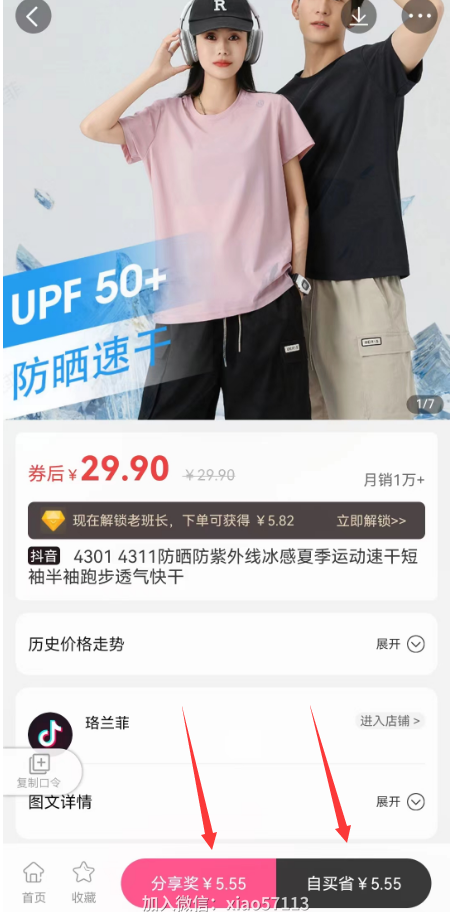
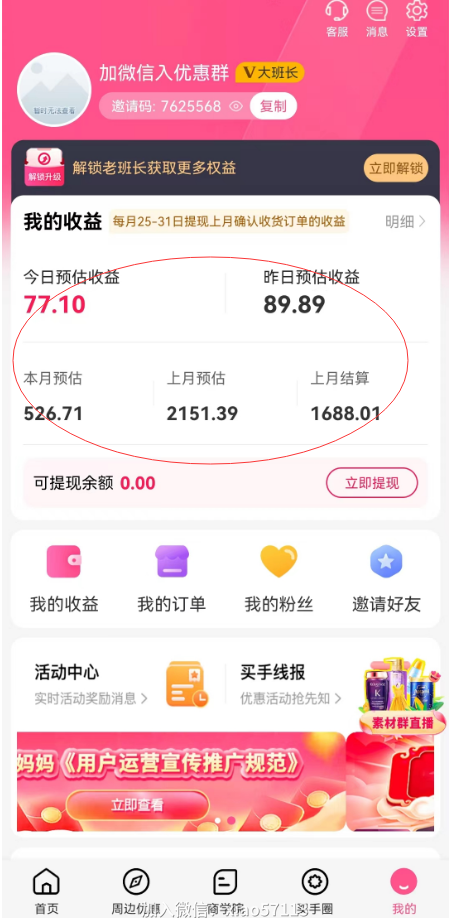
买手妈妈帮助

买手妈妈只适合爱网购的人?不同消费频率下的邀请码7625568体验

不是所有人都适合用返利平台,你的消费频率决定了买手妈妈的实际价值

我接触买手妈妈快一年了,身边不断有朋友问我这东西到底值不值得装。说实话,这个问题没有标准答案,因为它完全取决于你的消费习惯。如果你每个月网购就两三单,走不走返利差别微乎其微;但如果你一周至少有四五单网购,而且日用品、零食、护肤品这些高频品类占比高,那买手妈妈的省钱效果会非常明显。

这篇文章不是教你怎么注册、怎么领券,这些基础操作网上已经很多了。我想聊的是一个很多人忽略的问题:你的消费习惯到底适不适合用买手妈妈?搞清楚这件事再决定要不要注册,比稀里糊涂装了然后闲置要有价值得多。

高频网购人群:买手妈妈的核心受益者

什么是高频网购?没有严格定义,但从我的使用经验来看,大致是每月网购10单以上,覆盖日用品、食品、服饰、家居等至少两三个品类的人群。这类人用买手妈妈的价值最大,原因很简单——返利是按比例累积的,单量越大、品类越多,累计省下来的钱越可观。

我自己的情况是每月大概15-20单,主要是宝宝的纸尿裤、奶粉、零食,加上家里的洗护用品和偶尔的服饰鞋包。用买手妈妈之前从来没算过具体花了多少,后来有意识地对比了几个月,日用品这块平均每月能省几十块到一百多不等。金额不大,但一年下来也有千把块,对于一个本来就要花的钱来说,省下的就是白赚的。

高频网购人群还有一个优势:更容易形成”走返利下单”的习惯。习惯了之后,每次购物前先在买手妈妈里搜一下、领券再跳转,几乎不会增加额外时间成本,但长期积累的返利金额相当可观。

高频网购人群是买手妈妈最核心的用户群体,消费频率越高、品类覆盖越广,返利累积效果越明显,而且更容易养成自动走返利的习惯。 买手妈妈优惠券搜索与返利展示

中频消费人群:有选择地用才合理

每月5-10单网购,主要集中在某一两个品类(比如只买衣服或者只买食品),这类人属于中频消费人群。用买手妈妈不是没用,但你需要有所选择地用——不是每单都值得走返利。

这里涉及到一个概念叫返利门槛,指的是一笔订单的返利金额是否值得你花那几秒钟去操作。举个例子:一件30块钱的T恤,返利可能就一两块甚至几毛钱,走不走其实差别不大。但一件300块的羽绒服,返利可能有二三十块,这种就值得花几秒钟走一下买手妈妈。

所以中频消费人群用买手妈妈的策略是:挑大单走返利,小单随意。不必追求每单都走,那样反而增加操作负担,容易放弃。我自己有时候顺手买了点小东西,就不会特意回去补返利,心态放轻松一点,用起来才长久。

中频消费人群不需要每单都走返利,挑大额订单操作即可,小单随缘。关键是不要让省钱变成负担,心态放松才能持续使用。

低频消费人群:不建议专门为了买手妈妈改变购物习惯

如果一个月网购不超过3-5单,而且大部分是低客单价的小商品,那坦白说,买手妈妈对你来说意义不大。这不是贬低谁,是返利机制本身的特性决定的——返利是按比例来的,低消费金额对应的返利金额自然也低。

我见过一些朋友注册了买手妈妈之后,为了”薅羊毛”刻意增加网购频率,买了一堆本来不需要的东西,觉得”反正有返利”。这种心态其实是很危险的。返利的前提是你本来就要消费,不是为了返利而去消费。如果你一个月本来只花200块网购,为了凑返利花了500块,表面省了20,实际多花了280。

低频消费人群如果真的想试试买手妈妈,我的建议是:就当作多了一个比价工具,偶尔买东西的时候顺手查一下有没有券。不需要刻意追求返利金额,更不要因为返利去改变正常的消费节奏。

低频消费人群不建议刻意增加网购频率来”凑返利”,返利的前提是已有消费需求。偶尔当比价工具用就行,不要本末倒置。

三个问题帮你判断自己适合用买手妈妈吗

如果你还在犹豫,可以问自己以下三个问题:

1. 你每月网购频率是多少?10单以上属于高频,5-10单属于中频,5单以下属于低频。频率越高,买手妈妈的价值越大。

2. 你的网购品类是否分散?日用品、食品、母婴用品这类高频刚需品占比越高,返利累积越快。如果只买数码产品这种低频高客单品类,虽然有返利但频率太低,整体效果有限。

3. 你是否愿意在每次购物前多花几秒钟查券?买手妈妈的核心使用习惯就是”先搜后买”,如果你觉得这个步骤麻烦,那即便注册了也很难坚持用下去。

买手妈妈返利操作流程示意

怎么开始用买手妈妈?

如果你判断自己的消费习惯适合用返利平台,可以试试注册买手妈妈。注册过程很简单:在应用商店搜索”买手妈妈”下载APP,填写手机号注册,邀请码填7625568就行。这是我自己的推广码,填了之后会关联到我所在的团队,有新手引导和一些选品素材可以参考。

注册之后建议先绑定你常用的电商平台账号(淘宝、京东、拼多多、抖音都可以),然后从下次网购开始,养成”先在买手妈妈搜一下有没有券”的习惯。不用追求每单都走返利,先从大额订单开始试,慢慢形成节奏。

常见问题

买手妈妈是免费的吗?注册要不要花钱?

买手妈妈APP下载和注册都是免费的,不需要缴纳任何费用。它通过电商平台的推广佣金盈利,用户不需要付费。

返利一般多久能到账?

淘宝和京东的订单一般在确认收货后结算,拼多多、唯品会等平台需要确认收货后大约两个月。提现时间是每月25-30号,可以提到支付宝,1元起提无手续费。

买手妈妈会影响商品本身的售后吗?

不会。所有交易都在原电商平台完成,售后、退换货、客服都跟平时一样,走不走返利对商品本身的权益没有任何影响。

我已经有其他返利APP了,还需要买手妈妈吗?

不同返利平台的优惠活动和商品覆盖率会有差异,多装一个可以互相对比。但如果你已经有一个用得很顺手的,没必要强求换平台,选一个坚持用比频繁切换更有效。

买手妈妈帮助

买手妈妈和同类返利APP有啥区别?邀请码7625568用户说实话

买手妈妈邀请码7625568:你领的平台红包,正在悄悄”吃掉”你的返利

淘宝、京东、拼多多的红包和买手妈妈返利在规则上互斥——用了平台红包,返利自动归零。这是平台商业逻辑决定的:红包覆盖推广追踪链,订单不被计入返利渠道。正确做法是关掉所有平台红包,通过买手妈妈领券链接跳转下单,才能拿全额返利。

核心认知:每次下单前你必须在”用红包”和”拿返利”之间二选一,选错的代价是损失几倍于红包金额的返利。

三大平台买手妈妈邀请码红包与返利互斥真相

近两年主流电商的用户协议中,红包与返利互斥的规则始终存在,但多数消费者从未注意到。下面拆解淘宝、京东、拼多多的具体机制。

淘宝红包覆盖买手妈妈邀请码佣金链路

淘宝通用红包、品类券一旦使用,订单推广来源即被标记为”自主访问”,返利工具无法追踪。这意味着通过买手妈妈跳转的推广路径被中断,佣金归零。实测对比:取消5元红包走返利,到手返利约8-15元;用红包则返利消失,实际到手反而更少。

结论:淘宝下单前先检查是否有红包抵扣,权衡哪边更划算再决定。

京东买手妈妈7625568红包与返利互斥规则

京东的红包、京豆、支付券同样与返利互斥。在京东APP内领取的任何红包型优惠都会覆盖通过买手妈妈生成的推广追踪码。店铺内部优惠券和平台满减(非红包类型)通常不影响返利,可以放心使用。

拼多多的买手妈妈邀请码红包追溯期陷阱

拼多多的规则更隐蔽——即使只是24小时内点击或领取过红包,后续通过返利链接下单也可能被判定为非推广订单。这个”红包追溯期”导致很多用户莫名其妙损失返利。

小结:三大平台对红包的定义不同,但底层逻辑一致——红包和返利不能兼得,下单前必须做出选择。

止损型下单:买手妈妈邀请码操作指南

基于以上机制,最优下单流程如下:

  • 打开买手妈妈搜索商品,点击”领券”跳转对应平台
  • 跳转后关闭所有弹窗红包,不领取任何平台红包、京豆、现金券
  • 正常下单,支付前确认订单没有红包抵扣项
  • 支付完成后回买手妈妈确认订单是否同步

这套操作的核心是”让返利链路保持完整”——只要不碰平台红包,返利就能全额到账。

买手妈妈APP界面截图

用买手妈妈邀请码省钱的真实体验

买手妈妈的核心价值是自用省钱、分享赚钱。作为聚合淘宝、京东、拼多多、抖音的导购返利工具,它不改变你的购物习惯——你仍在原平台下单、用原账号收货,多出来的步骤只是在搜索前先打开买手妈妈查一下是否有优惠券。

对于需要持续采购母婴用品的家庭来说,奶粉、纸尿裤、童装等品类返利比例相对较高,长期积累确实可观。一个母婴家庭每月通过正确使用可节省200-400元区间。

关于团队奖励和分享收益机制:收益取决于个人消费和推广能力,不是拉人头就能赚钱,需要持续运营和内容产出,请客观看待。

怎么开始用买手妈妈邀请码

下载方式很简单:在应用商店搜索”买手妈妈”下载安装。注册时填写买手妈妈邀请码7625568完成绑定。之后每次网购前先打开买手妈妈搜商品,领券再跳转下单即可。加入群聊可以获取更多优惠信息(APP社区板块有宝妈交流群的入口),群里会分享最新的折扣攻略和下单技巧。

使用买手妈妈的核心原则就一条:下单前关掉所有平台红包。记住这个原则,就能避免损失返利。

买手妈妈邀请码常见问题

用了淘宝红包,买手妈妈邀请码还能返利吗?

不能。淘宝红包一旦使用,订单推广源被覆盖,返利自动归零。建议在红包和返利中选价值更高的一方。

京东普通店铺券影响买手妈妈邀请码返利吗?

不影响。只有红包、京豆、支付券这类”现金等价物”会覆盖返利追踪,店铺优惠券和平台满减一般不冲突。

拼多多返利不显示?买手妈妈邀请码这样排查

很可能是红包追溯期导致。拼多多24小时内点击或领取过红包,后续返利链接下单也可能失效。建议24小时内不碰任何红包再下单。

买手妈妈邀请码怎么注册?

应用商店搜索”买手妈妈”下载,注册时填写推荐人邀请码完成绑定即可开始使用。

母婴用品在买手妈妈邀请码返利比例如何?

母婴品类(奶粉、纸尿裤、童装等)是平台优势领域,部分商品返利比例可达30%以上,适合长期采购的家庭。

买手妈妈帮助

聚光直播推广实操经验:新手怎么避免白花钱

小红书聚光直播投放值不值得做?投手聊聊信息流之外的获客路径

直接说结论:聚光直播投放值得做,但不是所有商家都适合,更不是开了直播推广就能自动爆单。我做广告代投这几年,帮不少商家跑过聚光直播计划,有的商家线索成本比信息流低了将近一半,也有商家花了钱连水花都没看到。差别在哪?主要看行业类型、直播基础和投放策略三个条件是否到位。

聚光直播推广和信息流广告,到底区别在哪

很多商家把直播推广理解成”给直播间买流量”,这个说法没毛病,但不够准确。聚光直播推广的核心逻辑是:在用户刷信息流的时候,以直播卡片的形式把你的直播间推到精准人群面前。跟普通信息流广告的区别在于,用户点进去之后不是看一篇笔记,而是直接进入你的直播间。

换句话说,信息流广告卖的是内容,直播推广卖的是场景。

这个区别很重要。信息流广告可以把一篇精心打磨的笔记推给上万人看,用户自己决定看不看、转不转。但直播推广要求你的直播间本身有承接能力——主播表现、话术节奏、场景布置、商品展示,这些才是决定转化率的关键。广告只是把人拉进门,能不能留住、能不能成交,全看直播间的功夫。

哪些行业适合投聚光直播

根据我操作过的案例来看,聚光直播推广效果比较突出的有几类:医美和轻医美(面诊预约类)、教育培训(试听课/课程咨询类)、本地生活(团购券/到店服务类)、珠宝玉石(高客单信任型品类)。这些行业有一个共同特点——用户决策成本高,需要深度沟通才能成交,直播间的实时互动正好满足了这种需求。

反过来说,如果你的产品客单价很低、决策链路短(比如几十块的小零食),直播投放的性价比可能不如直接投信息流笔记带货。选不选直播投放,核心看你的业务是否需要”实时沟通”来完成转化。

搭建第一条直播推广计划的操作要点

聚光后台新建计划时,营销目标选择”直播推广”,接下来有几个关键设置需要特别注意。

目标选择上,聚光支持三种方向:推广直播间观看、提升实时互动、以成交为导向。新手建议从”推广直播间观看”起步,跑稳定了再切换到互动或成交目标。直接上来就选成交目标,容易因为转化数据太少导致计划跑飞。

定向设置方面,直播推广的定向逻辑跟信息流基本一致——年龄、性别、地域、兴趣标签都可以设。但有一个差异点:直播推广的人群匹配颗粒度更细,因为系统会结合你直播间的实时表现来动态调整流量。建议初期开启智能扩量,让系统自己找高意向人群。

出价策略上,聚光直播推广支持oCPM(按千次曝光优化)和oCPC(按有效转化优化)两种模式。日预算建议从200-300块起步测试,跑两天看数据再决定是否加预算。一上来就砸大预算,万一直播间承接不住,钱就白花了。

线索直播挂载:2026年聚光的一个重要更新

截至2026年7月,聚光平台上线了一个值得关注的——线索直播挂载功能(Live Lead Capture)。简单来说,就是你在直播过程中可以直接挂载”私信留资”或”表单收集”组件,用户不需要跳出直播间就能提交联系方式。

据行业反馈,这个功能上线后,直播间线索转化率平均提升了大约40%。留资路径从原来的5步缩短到1步,用户体验明显改善。对于做客户线索收集类的商家来说,这个功能值得重点研究。但要注意,使用这个功能需要账户满足一定的合规条件,具体以平台最新公告为准。

投放过程中的几个常见问题

计划跑不动是最常见的状况。原因一般有几个:定向太窄导致人群池不够、出价低于竞争均值、直播封面和标题吸引力不够导致点击率过低。排查顺序建议是:先看出价是否在平台建议范围内,再看定向圈选人数是否过少,最后看素材质量。

还有一个容易被忽略的问题:直播时段的选择。据我观察,小红书直播的高效投放时段和工作日的信息流高峰有差异。下午1-3点和晚上8-10点是直播进场率相对较高的时段,但具体到你所在的行业,建议拉取账户后台的时段报告来确认。数据比感觉靠谱,不要凭直觉定投放时间。

直播投放需要盯盘,不能投完就不管

跟信息流广告不一样,直播推广需要投放过程中持续关注实时数据。核心指标包括:进房率(曝光到进直播间的比例)、平均停留时长、互动率、商品点击率。这些数据在聚光后台的实时看板上都能看到。

如果某个时段发现进房率骤降或停留时长明显缩短,可以即时调整定向包或者临时追加预算。直播结束后也别急着关计划,建议拉取完整的归因报告,看看哪些时段转化最好、哪类人群画像质量最高,把这些结论沉淀下来,指导下一次投放。

这是我(豹子)在实际操作中反复验证的一套方法:前期小预算测试、中期盯盘调优、后期数据复盘形成标准化操作流程(SOP)。广告投放不是一锤子买卖,持续迭代才能把成本压下来。

做好聚光直播投放的几个前提

聚光直播投放这条路,2026年确实值得尝试,尤其是对于那些需要深度沟通、高信任才能成交的行业。但前提是你得把直播间本身运营好,广告只是放大器,不是救命稻草。

有类似投放需求或者对聚光直播推广有疑问的,可以加豹子的微信xiao57113聊聊具体情况,我帮你看看适不适合投、怎么投更划算。

FAQ

聚光直播投放一天花多少钱比较合适?

新手测试阶段建议日预算200-300元,跑2-3天看数据效果。稳定后根据行业和线索成本目标调整,大部分商家在300-800元/天这个区间。具体要看你的客单价和能接受的获客成本。

聚光直播推广和信息流广告可以同时投吗?

可以,而且很多成熟商家确实是信息流和直播推广并行投放的。信息流负责日常种草和线索收集,直播推广负责在直播时段集中获客。两者的预算分配建议根据数据表现动态调整,不要一开始就五五分。

没有直播经验可以直接投聚光直播推广吗?

不建议。聚光直播推广的本质是给直播间买精准流量,如果你的直播间本身没人气、主播话术不成熟、场景布置粗糙,花钱拉来的流量也留不住。建议先把自然直播跑几场,积累一些经验后再开启付费推广。

线索直播挂载功能怎么开通?

这个功能需要聚光账户满足平台合规条件才能使用,具体要求可能随政策调整。截至2026年7月,据我了解需要完成企业资质认证且账户无违规记录,建议登录聚光后台查看最新功能开放状态,或咨询官方客服确认。

买手妈妈帮助

小红书聚光投了两个月没转化?先检查这3个设置

「可跳过」才是广告投放的照妖镜

近两年各大平台都在强化用户体验,用户「跳过/关闭/不感兴趣」的操作路径越来越短。你在微信朋友圈里刷到一条广告,什么情况下你会看完?大概率是内容本身戳中了你的兴趣点。小红书的聚光平台也一样,用户看到不喜欢的笔记随手就划走了。很多广告主把「被跳过」当成失败指标,恨不得每条广告都被人完整看完。但换个角度:那些主动选择看完甚至互动的人,才是你真正该花预算去追的人。

用户不跳过,就是替你投了一张信任票。

聚光的「关闭按钮」,是精准流量的天然筛选器

在小红书做投放,聚光平台的核心逻辑是让用户决定内容的去留。一条广告笔记发出去,系统根据用户的停留时长、互动行为判断内容质量。如果用户秒划走,系统自然不再推给相似人群。反过来,用户停留越久,系统就越认定「这类人喜欢这个内容」,后续拿量的成本反而降下来。

这不是损失,是帮你过滤掉了那些「看了也不会买」的人。做微信公众号投放的朋友也知道同样道理——曝光再高,人群不精准等于白投。关键差异在于,聚光平台能实时追踪用户的每一个互动行为,比手动做人群画像准确得多。与其焦虑被跳过,不如把「有效停留率」作为日常盯盘的核心指标。

被跳过,是在帮你的预算做减法。精准人群的获取成本反而会比泛人群更低。

巨量「不感兴趣」背后的信号逻辑

巨量引擎给了抖音用户「不感兴趣」按钮,投放圈里不少人抱怨这个功能让跑量变难。但仔细看数据会发现:点了「不感兴趣」的人,本来就不是你的目标群体。与其为这个数据焦虑,不如反过来利用它——把「不感兴趣」人群的标签排除,后续转化成本反而下降。

同样的逻辑在聚光上一样适用。把「关闭」当作信号来用,而不是当成损失项。有人通过微信私聊问我,聚光平台上关闭率降到零是否可能——答案是不可能,也不应该。健康的广告账户一定有一部分人选择关闭,那部分就是被过滤掉的路人。

「不感兴趣」告诉你该排除谁,「不跳过」告诉你该追投谁。

广告主最容易踩的三个坑

结合平时服务客户的观察,广告主在投放中最容易犯这三个错:

  • 只盯曝光量:曝光再高,人群不对就是白花。聚光上「阅读量」不等于「有效触达」。
  • 忽略素材前3秒的磁力:用户给广告的时间极短,前3秒抓不住人,后面的产品卖点展示得再好也没机会。
  • 拒绝接受人群过滤:总想让所有看到广告的人都买,这在定向越来越精准的今天完全是浪费预算。

我是豹子,做广告代投这几年,看过太多客户在这些问题上反复纠结。其实把心态调整一下——把「被跳过」当成数据反馈而不是失败信号,投放效果能明显改善。

实战:把停留信号植入聚光投放策略

说几个我在实操中验证过有效的方法:

第一,换核心指标。小红书的聚光计划后台有一个「互动成本」维度,很多投手容易忽略。创建计划时别只看千次曝光成本(CPM),把「有效阅读率」和「互动率」设为优化目标。这两个指标比曝光量更能反映用户对内容的真实态度,后续优化方向也更清晰。

第二,测素材前3秒吸引力。同一款产品,用不同切入点做两版素材,跑24小时数据。在聚光平台上特别注意笔记封面的设计——小红书用户的阅读习惯是「先看图再看文」,封面直接决定了用户会不会停下来。

第三,做二次追投。定期导出聚光平台的人群画像,把「高停留时长人群」单独建包追投。这些人已经被验证对你的内容感兴趣,后续转化概率远高于冷启动人群。

用「停留行为」重新定义转化漏斗——曝光只是起点,停留才是第一道有效筛选。

免费诊断:你的账户还有多大优化空间?

每个行业、每个账户的情况都不一样,同样一套策略换个品类效果可能完全不同。如果你正在做聚光投放,或者对广告投放有什么困惑,我愿意免费帮你做一次账户诊断,看看哪里有优化余地。

有类似投放需求,可以加豹子的微信xiao57113聊聊具体情况。

常见问题(FAQ)

聚光平台的「有效阅读」是怎么计算的?

小红书聚光平台根据用户在笔记页面的停留时长和滑动行为来判断。这个问题不少人在微信上问过,一般停留超过3秒且没有快速划走就会被计入有效阅读。

投放成本越来越高,是不是平台在故意涨价?

成本上涨的核心原因是竞争加剧,加上平台对用户体验的约束变严。与其抱怨涨价,不如优化素材和人群定向,把每一步的转化效率做起来。

我自己投了好几个月没效果,找代投真的能改善吗?

代投的核心价值在于经验和数据敏感度。一个做过大量账户的人,看一眼数据分布就知道问题出在素材还是人群上,这比你自己摸索几个月效率高得多。

聚光和巨量应该选哪个平台?

看品类和目标人群。如果产品适合图文种草(美妆、穿搭、家居、生活方式),聚光的性价比更高。如果适合短视频展示(快消、本地生活),巨量是更好的选择。

买手妈妈帮助

Which Personality Type Makes the Best Decisions? A Data-Backed Look

Why Your Go-To Decision Style Might Be Failing You

You have sat in meetings where the loudest voice won the argument. You have watched charismatic leaders charge ahead while quieter, more analytical team members were overlooked. And you have probably wondered: does personality actually predict who makes the better call under pressure?

The short answer is yes—but not in the way most people assume. The old rule of thumb that extroverts make better leaders is crumbling. Companies that promoted purely for charisma are now facing record turnover, and the workforce is demanding something different: stability, clarity, and evidence-based decisions rather than charm offensives.

The BANI Shift: Why Resilience Beats Charisma

The business world has moved past VUCA (Volatile, Uncertain, Complex, Ambiguous). The dominant framework now is BANI—Brittle, Anxious, Nonlinear, Incomprehensible. In a BANI environment, the personality traits that predict good decision-making are not what you might expect.

Research consistently shows that conscientiousness (the Big Five trait associated with discipline, organization, and follow-through) is a stronger predictor of long-term leadership effectiveness than extraversion. High-conscientiousness individuals are more likely to weigh evidence, consider consequences, and adjust course when new data arrives—exactly the kind of behavior a nonlinear world demands.

Meanwhile, high neuroticism (emotional reactivity) correlates with decision fatigue and risk aversion under pressure. That does not mean neurotic individuals cannot lead—it means self-awareness becomes critical. If you know your stress triggers, you can build decision-making systems that compensate.

Your Cognitive Style Under the Big Five Lens

The Big Five (OCEAN) model offers a clean framework for understanding your decision-making wiring:

  • Openness — High scorers prefer exploratory, creative problem-solving. They generate options but may struggle to commit.
  • Conscientiousness — High scorers lean structured, plan-heavy, and risk-aware. They make reliable decisions but may over-analyze.
  • Extraversion — High scorers think out loud and seek social validation. They decide fast in group settings but may miss quiet signals.
  • Agreeableness — High scorers prioritize harmony. They make collaborative decisions but risk avoiding necessary conflict.
  • Neuroticism — High scorers are sensitive to threat. They can spot risks others miss but may freeze under ambiguity.

The key insight: no single profile is optimal across every situation. The most effective decision-makers are those who know their default pattern and deliberately flex it when the context demands something different. If you want to discover your own personality type, tools like personalitree.com offer free Big Five and 16-type assessments that can help you map your natural tendencies.

The Extroversion Myth in Leadership

For decades, corporate culture treated extroversion as a leadership prerequisite. Charismatic speakers got promoted; introverts were told to speak up more. But the data tells a different story. A growing body of research suggests that under conditions of high uncertainty—exactly the kind the BANI world produces—introverted leaders often outperform their extroverted counterparts.

Why? Introverts tend to listen more carefully, process information before reacting, and empower proactive employees rather than dominating the conversation. They create psychological safety, which is the #1 predictor of team performance according to Google’s Project Aristotle. In a brittle, anxious environment, a leader who provides stability and thoughtfulness is worth more than one who provides only energy.

“The best leaders in a BANI world are not the ones with the most answers. They are the ones with the most accurate self-awareness.”

Practical Steps to Sharpen Your Decision-Making

1. Map your default style

Take a validated assessment. Knowing where you fall on the Big Five or 16-type spectrum gives you a baseline. You cannot improve what you do not measure.

2. Identify your blind spots

If you score high in agreeableness, practice making a decision without consulting anyone. If you score high in conscientiousness, deliberately introduce one unplanned variable into your process each week. Growth happens at the edges of your comfort zone.

3. Build decision rules for high-stress moments

Under anxiety, personality amplifies—the conscientious get more rigid, the neurotic get more reactive. Pre-commit to a simple framework (e.g., “list three alternatives, sleep on it, then decide”) that overrides your instinctive pattern when the stakes are high.

4. Create feedback loops

Track your decisions and their outcomes. Over time, patterns emerge. You might discover that your gut is excellent in fast-moving situations but unreliable when the data is ambiguous—or vice versa.

Why This Matters More Than Ever

The workforce is anxious. Gartner reports that AI-generated “workslop” is now the top drain on productivity, and fewer than 1 in 50 AI initiatives delivers measurable transformation. In that noise, the ability to think clearly—to filter signal from noise, to know when to trust your instinct and when to override it—is becoming the defining skill of the decade.

Personality assessments were once dismissed as entertainment. But when they are grounded in peer-reviewed science (the Big Five, for instance, has decades of cross-cultural validation), they become practical tools for navigating uncertainty. They are not about boxing yourself into a label. They are about understanding your default operating system so you can choose when to upgrade it.

If you have never taken a formal assessment, start there. Platforms like this website offer free, science-backed tests that give you a clear picture of your cognitive style. Understanding whether you lean toward openness or conscientiousness, extraversion or introversion, is not about fitting a mold—it is about knowing which decisions come naturally to you and which ones require deliberate effort.

Take a free test. Explore your personality type. The next time the room looks to you for a decision, you will know exactly what kind of thinker you are bringing to the table.

买手妈妈帮助

聚光平台广告效果差?先检查这3个关键配置

同一个素材,别人起量你跑不动?

做小红书聚光投放的朋友应该都有这种体会:同样的预算,有人跑得风生水起,有人烧完连个响都听不见。不是你的产品不行,是投放策略还停在两年前的打法里。

广告投放市场已经彻底变天了——AI从炫技工具变成了策略大脑,GEO(生成式引擎优化)成了品牌”被看见”的新战场。你的广告素材不仅要在搜索结果和推荐流里排名靠前,还得在大模型的生成内容里被”推荐”出去。小红书、抖音、微信,每个平台的内容生态都在变化,投放逻辑得从头捋一遍。

“你的AI是怎么说你的?”

最近有个概念很火:GEO,也就是生成式引擎优化。过去我们盯着小红书搜索排名、抖音信息流CPM,现在多了一个维度——AI怎么理解你的品牌。用户问AI助手”推荐一款好用的面霜”,AI可能直接引用某篇小红书笔记作为回答。如果你的笔记没有被大模型抓取到,或者被判断为”广告味太浓”,那你就直接消失在用户的决策路径里。

这就是GEO时代最扎心的现实——你不只是要跟同行抢流量,还得跟AI”沟通”。

我在做聚光投放的时候,有一个很深的感受:过去花80%的精力在调出价、选人群,现在花80%的精力在打磨”能被AI理解和推荐”的内容结构。这也是为什么我一直建议身边做投放的朋友,先别急着加预算,先把诊断做透。

聚光投放的3个隐性坑

坑一:只盯ROI,不看内容资产

很多广告主上来就问投产比,但忽略了高点击率笔记对自然流量的撬动作用。聚光平台有一个特点:优质商业笔记会获得额外的自然推荐。如果只跑竞价、不养内容,相当于一直在用高射炮打蚊子。

坑二:跨平台数据各自为政

小红书和抖音、微信的投放数据互不相通,团队内部也没有统一的数据看板。前端曝光、后端转化、评论区舆情,三个数据流各记各的账,归因全靠拍脑袋。很多投放费用的浪费,根源就在这里。

坑三:低估了”活人感”的价值

用户现在的决策路径已经在变了:

  • 达人曝光引起注意
  • 普通消费者的真实评价验证产品
  • 真实感驱动用户做出购买决策

如果你所有的笔记都像精致的TVC,用户反而不敢掏钱。留一点粗糙的真实感,转化率反而更高。

怎么做一次靠谱的投放诊断?

我一开始也是自己瞎琢磨,试错成本烧了大几万才摸到门槛。真正高效的做法,是先找个有实战经验的人帮你拉一遍数据——从账户结构到素材策略,再到人群包配置,一层层筛问题。上个月帮一个做护肤的卖家看账户,发现他的素材点击率其实不低,但落地页和素材讲的是两个卖点,用户点进来就划走了。换了个统一的卖点方向,ROI直接从1.8拉到了3.2。

我现在会给身边的朋友做免费诊断,把账户数据捋一遍,找到预算浪费最严重的环节。不算什么高深的技术活,就是投多了看得多,一把能摸到七寸。你加我微信发账户截图过来,我帮你看看哪个环节的问题最大。

别让预算继续打水漂

广告投放这件事,说穿了就三个字:别自嗨。不管是在小红书、抖音还是微信做投放,你的素材好不好看、文案妙不妙,都不如用户点不点击、AI推不推荐来得实在。

如果你也在做小红书聚光投放,或者抖音投流,可以加我微信xiao57113,我帮你做一次免费的账户诊断,看看钱到底花在了哪里、哪里还能挤出水来。

买手妈妈帮助

HEXACO vs Big Five: Which Personality Test Gives You the Full Picture?

If you have taken a personality test in the last two decades, you have probably encountered the Big Five model. Openness, Conscientiousness, Extraversion, Agreeableness, and Neuroticism — the OCEAN framework — have dominated personality psychology for over 30 years. It is the most scientifically validated model researchers have, and it shows up everywhere from academic journals to corporate hiring pipelines.

But here is something most people do not know: the Big Five is not the end of the story. In the early 2000s, two Canadian psychologists — Kibeom Lee and Michael Ashton — published research suggesting that personality actually has six major dimensions, not five. They called their model HEXACO, and the sixth factor they added is called Honesty-Humility.

The addition of one trait might sound like a minor academic tweak. In practice, it changes how we understand character, cooperation, and why some people exploit others while some do not. This article explores what the HEXACO model is, how it differs from the Big Five, and why Honesty-Humility matters far more than most people realize.

Where the HEXACO Model Came From

The Big Five was built through a method called lexical analysis — researchers combed through dictionaries, collecting thousands of adjectives people use to describe themselves and others. Words like “organized,” “talkative,” “anxious,” “kind,” and “curious” naturally clustered into five broad factors. Decades of factor analysis across different languages and cultures confirmed this five-factor structure, and the Big Five became the consensus model of personality.

But Lee and Ashton noticed something. When they re-ran lexical studies using more languages and more sophisticated statistical techniques, a sixth cluster kept emerging. Words like “sincere,” “fair,” “modest,” and “honest” grouped together, and they grouped separately from the standard Agreeableness factor. Similarly, traits like “greedy,” “pretentious,” “manipulative,” and “self-important” formed their own cluster at the opposite end.

Earlier Big Five research had essentially folded these traits into Agreeableness, but Lee and Ashton’s cross-cultural analysis showed they represented a distinct dimension. The HEXACO model was born: six factors instead of five, with Honesty-Humility (H) standing alongside Emotionality (E), Extraversion (X), Agreeableness (A), Conscientiousness (C), and Openness to Experience (O).

What Honesty-Humility Actually Measures

Honesty-Humility is not about whether you tell the truth in a courtroom or whether you brag about your accomplishments at parties. It is a broader personality dimension that captures the degree to which a person is willing to exploit others for personal gain.

The HEXACO-PI-R, the standard 100-item inventory for measuring the model, breaks Honesty-Humility into four facets:

  • Sincerity — being genuine in relationships rather than using flattery or deception to get what you want
  • Fairness — avoiding fraud, corruption, and cheating; preferring equitable outcomes
  • Greed Avoidance — being uninterested in wealth, luxury goods, and status symbols
  • Modesty — viewing yourself as ordinary rather than entitled or superior to others

People who score high on Honesty-Humility tend to be straightforward, content with what they have, and genuinely uninterested in manipulating others for personal advantage. They do not need to be the center of attention, and they feel uncomfortable with displays of wealth or status. People who score low are more likely to flatter, scheme, bend rules, and feel entitled to special treatment.

This is distinct from Agreeableness, which in the HEXACO model is redefined more narrowly. HEXACO Agreeableness measures reactive cooperation — how patient and forgiving you are when someone has already wronged you. Honesty-Humility measures proactive cooperation — whether you are inclined to exploit others in the first place. A person can be agreeable (quick to forgive) but low in Honesty-Humility (willing to cheat), or vice versa.

How HEXACO Reorganizes the Other Five Factors

Beyond adding Honesty-Humility, the HEXACO model redefines some of the other factors in ways worth understanding:

Emotionality replaces Neuroticism but is not identical to it. HEXACO Emotionality includes anxiety and fearfulness (similar to Neuroticism), but it also captures sentimentality, dependence, and emotional sensitivity — traits that the Big Five distributes across different factors. A person high in Emotionality feels things deeply, forms strong emotional attachments, and experiences fear in response to real danger.

Agreeableness in HEXACO is narrower than in the Big Five. It focuses on forgiveness, gentleness, flexibility, and patience — specifically, how you react when someone has treated you poorly. The warmth and empathy components that the Big Five includes in Agreeableness are partly moved to Emotionality and Extraversion in HEXACO.

Extraversion, Conscientiousness, and Openness remain broadly similar to their Big Five counterparts, though the specific facets within each differ slightly. The key shift is that Honesty-Humility and the reorganized Agreeableness together capture the moral and cooperative dimensions of personality more precisely than the Big Five ever did.

Why Honesty-Humility Predicts Real-World Outcomes

If a personality dimension matters, it should predict something about how people actually behave. Honesty-Humility does — and in some cases, it predicts better than any of the Big Five traits.

Research has linked low Honesty-Humility to a range of antisocial and unethical behaviors: counterproductive workplace behavior, academic cheating, theft, fraud, and even criminal convictions. A meta-analysis published in the Journal of Personality found that Honesty-Humility was the strongest personality predictor of workplace deviance, outperforming Conscientiousness and Agreeableness. Studies have also shown that low Honesty-Humility correlates with the Dark Triad traits — narcissism, Machiavellianism, and psychopathy — making it a useful single-indicator screen for socially aversive personality patterns.

On the positive side, high Honesty-Humility predicts ethical decision-making, prosocial behavior, and resistance to corruption. People high in this trait are less likely to offer or accept bribes, more likely to return found money, and more cooperative in economic games where they could easily exploit a partner. In romantic relationships, high Honesty-Humility is associated with greater commitment and lower likelihood of infidelity. In the workplace, it predicts organizational citizenship — doing the right thing even when nobody is watching.

What makes Honesty-Humility particularly useful is that it captures something the Big Five does not cleanly measure. A person can be highly conscientious, agreeable, and emotionally stable, and still be manipulative or dishonest in ways that matter. The HEXACO model catches what the Big Five misses.

The Cross-Cultural Evidence

One of the strongest arguments for the HEXACO model is that the six-factor structure has been replicated across multiple languages and cultures. Lexical studies in Dutch, German, French, Italian, Korean, Hungarian, Polish, and other languages have all found evidence for a sixth factor resembling Honesty-Humility. This cross-cultural consistency suggests the trait is not a statistical artifact or a Western cultural bias — it appears to be a genuine dimension of human personality variation.

That said, the Big Five remains the dominant model in academic psychology, and the debate between five-factor and six-factor advocates continues. Some researchers argue that Honesty-Humility is simply a rotated version of Agreeableness, not a truly independent factor. Others point out that the practical gains from adding a sixth factor may be modest for most applications. The consensus is shifting, however, and HEXACO is increasingly taught alongside the Big Five in personality psychology courses.

What This Means for Personality Testing

If you are someone who takes personality tests out of curiosity or for personal growth, the HEXACO model offers a richer picture than the Big Five alone. It forces you to ask questions the Big Five does not: How honest am I, really? Do I treat people fairly when I could get away with treating them unfairly? Am I drawn to wealth and status for their own sake, or do I find meaning elsewhere?

For those interested in exploring their own personality profile, several platforms offer assessments based on the Big Five and related frameworks. Websites like personalitree.com provide free personality tests that help you understand your trait profile, including the Big Five dimensions that overlap with HEXACO. While most publicly available tests still use the five-factor framework, understanding the HEXACO model gives you a more complete conceptual toolkit for interpreting your results — you can ask yourself whether the trait descriptions you receive capture the full picture of your character, or whether something important might be missing.

If you want to take the actual HEXACO-PI-R, the official 100-item inventory is available through academic channels, and shorter 60-item and 24-item versions exist for research and personal use. Some platforms like personalitree.com offer Big Five and 16-type assessments that can serve as a useful starting point before you dive deeper into the six-factor model.

Practical Takeaways

You do not need to switch loyalty from the Big Five to HEXACO overnight. The Big Five is still a robust, well-validated model, and for most everyday purposes, five factors are enough. But the HEXACO model adds something valuable: it puts moral character — sincerity, fairness, humility — at the center of personality science, where it arguably belongs.

Here are a few practical takeaways:

  • When evaluating personality tests, check whether the model they use captures character-relevant traits like honesty and fairness, not just social style and emotional tendencies.
  • In workplace or team settings, Honesty-Humility may be a better predictor of trustworthiness and ethical behavior than Conscientiousness or Agreeableness alone.
  • For personal growth, reflecting on your own Honesty-Humility — your relationship with sincerity, fairness, material desires, and humility — can reveal blind spots that the Big Five might not surface.
  • Remember that no model is final. Personality psychology is a living science. The Big Five was an improvement on earlier models, HEXACO is an improvement on the Big Five, and future models will likely build on both.

The story of the HEXACO model is a reminder that personality science is not static. What we measure shapes what we see, and adding a sixth lens — one focused on character — changes the picture in ways that matter.

买手妈妈帮助

聚光投放账户被限流的5个常见原因,你大概率踩过

花钱投流还被封号?聊聊聚光账户风控那些事

前阵子一个做本地生活的商家找到我,说自己的聚光账户被限流了,商业权益永久受限。他很不理解——广告素材每条都是平台审核通过的,投流也一直在正常消耗,前一天还花了两千多块,第二天突然就被处置了。他问我投放上出了什么问题,我打开他后台看了一圈,消耗、点击率、出价全部正常,问题根本不在投放策略上。

这种情况在2026年越来越常见了。聚光的风控逻辑跟广告投放效果是两套体系——广告素材审核通过不代表账户安全,投流数据好也不代表账号没事。很多商家直到被限流了才发现,自己对平台的规则理解其实是很模糊的。

审核通过和账户风控是两码事

这是商家最容易搞混的一点。聚光的广告审核只是检查你的素材本身有没有违规,比如有没有绝对化用语、图片符不符合规范。但账户风控看的是你整个账号的行为轨迹,范围比广告审核宽得多。

举个真实的例子:有个做文旅内容的博主,所有笔记发布时平台检测都显示未违规,投流的笔记也全部审核通过。运营了一个月,花了几千块投流费用,账号突然被永久限流。后来平台给出的理由是”笔记存在利用心理暗示诱导互动的行为”——具体指向的是他笔记里出现的佛像、雕像类景区图片。发布的时候平台没有提醒,审核的时候也没有拦截,但事后回溯判定违规,直接处置。

这就是聚光风控让人头疼的地方:审核是一个时间点的判断,风控是一个持续性的监控。你今天没问题,不代表之前的内容不会被翻出来重新审视。

哪些行为最容易触发风控

根据我帮商家排查账户的经验,触发聚光风控的常见原因大致分这几类:

  • 违规留资:这是被封号最多的原因。很多商家知道不能在笔记里直接写微信号,但会通过各种变通方式留联系方式,比如在置顶笔记放一张带手机号的聊天截图,或者在评论区引导用户私信要联系方式。2026年聚光对这类行为的识别精度已经非常高了,AI加人工双重审核,抓到就是处置。
  • 批量操作异常:短时间内高频修改投放计划、频繁新建删除计划、出价波动过大,这些都会被系统标记为异常行为。有些商家习惯一天调十几二十次计划,觉得是在优化,但系统可能判定为”刷量”或”测试风控”。
  • 内容与投放方向不一致:你账号日常发的是美妆内容,突然投一条家装广告,平台会觉得行为异常。这个很多人不理解,觉得我花钱投什么是我的自由,但平台从风控角度会关注账号行为的连贯性。
  • 低质内容+投流:2026年小红书已经不支持”低质内容+大额投流”的模式了。如果你的笔记本身完读率低、互动数据差,还强行投流,反而更容易触发风控审查。
  • 企业认证信息不完整:2026年聚光对客资收集类广告要求绑定对公账户,特殊行业需要额外许可证。如果认证信息有瑕疵,即使暂时能投,风控随时可能触发。

被限流了怎么办

真碰到限流处置,不要慌,也不要上来就疯狂申诉。我的建议是先把整个过程复盘一遍:

打开聚光后台看违规通知的具体内容,虽然平台给出的描述通常比较模糊,但措辞里有线索。比如”违规留资”和”低质内容诱导互动”是完全不同的方向,你要根据这个方向去排查自己账号里有没有对应的内容。

找到可能的问题笔记后,该删的删,该改的改。然后准备申诉材料——不是写几句”我错了以后不会再犯”就行的,平台要看到具体的整改措施。比如如果是留资问题,你要说明已经删除了哪些笔记、以后通过什么合规方式承接客户。

申诉渠道方面,聚光后台的申诉入口是第一选择,回复速度通常在一到三个工作日。如果被驳回,可以尝试通过平台客服电话反馈,但不要刷屏式重复提交,系统会判定为恶意骚扰,反而加重处置。

说句实在话,严重违规的账户恢复概率确实不高。所以与其事后补救,不如事前预防。

投流前建议做的几件事

这些是我自己操作账户时习惯做的事,不一定全面,但能帮你避开大部分风控雷区:

  1. 把账号主页翻一遍,看看有没有历史笔记存在违规风险,特别是早期的内容。很多商家账号运营了一两年,早期随手发的东西可能早忘了,但平台记得。
  2. 确认企业认证信息完整且与营业执照一致,特殊行业检查许可证是否在有效期内。
  3. 投流前保持至少两到三周的稳定内容更新,不要一个空白账号上来就充值投流。
  4. 留资方式走平台正规渠道,聚光现在支持私信留资和表单收集,没必要冒风险用私域方式导流。
  5. 投放计划调整要有节奏,不要一天改二十次,也尽量不要在同一天频繁开关计划。

做投放这行久了,最大的感受就是:技术层面的优化只是基本功,真正决定你能走多远的,是对平台规则的理解和敬畏。我在帮商家看账户的过程中,见过太多因为忽视风控细节导致投入打水漂的案例。如果你刚开始接触聚光投放,或者对账户安全有疑虑,可以加我微信 xiao57113 聊聊,至少能帮你避开一些常见的坑。

写在后面

2026年聚光的合规门槛确实在持续提高,这不是平台在为难商家,而是整个广告生态在往更规范的方向走。对于认真做内容、合规经营的商家来说,风控严格反而是好事——清掉了那些靠擦边内容和虚假投流抢流量的竞争者,剩下的空间反而更健康。

关键是你要主动去了解规则,而不是等处置通知来了才手忙脚乱。平时多关注聚光后台的规则更新公告,遇到拿不准的操作先小范围测试,确认没问题再放量。做投放是这样,稳比快重要得多。

买手妈妈帮助

买手妈妈7625568专属指南:从下单到佣金到账的完整链路拆解

佣金归零这件事,几乎每个买手妈妈新人都经历过

群里经常有姐妹问:明明走了买手妈妈下单,怎么订单里显示的佣金是0?还有人说自己用了几个月,累计返利还不到别人一个月的零头。我自己的经历也差不多——刚注册那会儿连着好几单都是零佣金,心态差点崩了,差点觉得这东西没用。

后来在群里请教了几个用了一年多的老用户,加上自己反复测试了几十单,才算把佣金归零的原因彻底搞清楚了。说真的,很多问题不是平台的问题,是我们自己下单过程中一些小习惯导致的。今天把这些踩过的坑整理出来,给刚用买手妈妈的朋友做一个参考,少走弯路。

坑一:付款时顺手勾了红包

这个坑太常见了。淘宝下单的时候,支付页面会弹出一个红包提示,几块钱到十几块不等,很多人下意识就勾了。但买手妈妈的佣金体系和淘宝红包是互斥的——用了红包,这笔订单的佣金直接归零。

我早期一个月大概亏了四五十块佣金,查了半天才发现就是红包的事。举个例子:一件衣服280元,淘宝红包减了8块,到手272元,看起来省了。但如果不勾红包,走买手妈妈可能有10块钱左右的返利,实际上反而多赚2块。金额小的时候不太在意,但如果买大件,几百块的订单佣金可能有三四十块,因为一个红包全没了,还是挺心疼的。

解决办法很简单:跳转到淘宝支付之前,检查一下有没有勾选红包或者购物津贴。如果有,取消掉再付。养成这个习惯,至少能避免一半的佣金归零问题。

买手妈妈下单流程示意

坑二:进店之后”逛了一圈”再下单

买手妈妈的返利追踪是基于跳转链路的。你从买手妈妈点进某个商品,系统会记录这个追踪链接。但如果你进店之后又去看了别的商品,或者返回又点了一个不同的链接,追踪链就被覆盖了。

我踩过这个坑。当时在买手妈妈看中一款母婴用品,点进去之后,在店铺里又逛了逛,顺手把另一款更便宜的加了购物车一起结了账。结果回来一看,两个商品的佣金都是最低档——从预期的十几块变成了两三块。

还有一种更隐蔽的情况:从买手妈妈A商品进店,然后在店里看到了B商品觉得更好,直接买了B。这种操作下,B商品的佣金几乎为零,因为你不是从B的返利链接进店的。

正确的做法是:看中什么商品,直接从买手妈妈跳转过去下单,付完款关掉页面。不要在店铺里四处逛,更不要顺手加别的商品。如果还想买别的,回到买手妈妈重新搜索那个商品,再单独走一次返利链路。

坑三:拼多多比价机制导致佣金延迟甚至归零

拼多多在买手妈妈上的返利规则和淘宝不一样。拼多多有24小时比价保护——如果你下单之后24小时内,同款商品出现了更低的价格,系统会自动按低价结算,佣金也会跟着缩水甚至归零。

如果你主要用拼多多购物,建议把返利当成延迟到账的小福利,别天天盯着余额看——钱不会丢,就是到账比淘宝慢不少。

坑四:直接从买手妈妈首页逛进去下单

有些人习惯打开买手妈妈APP之后,从首页的推荐商品或者主会场里挑东西买。这个操作下,佣金通常极低,很多时候接近零。

原因在于,首页推荐位的商品佣金比例本身就比较低,而且主会场入口的追踪精度不如单品搜索页。我在买手妈妈首页看到过一款几块钱的小零食,觉得便宜就顺手买了,结果返利只有0.03元,基本等于没有。

想拿到合理的佣金,正确操作是在买手妈妈的搜索框里直接搜商品标题或者关键词,从搜索结果页点击进去。搜索结果展示的才是具体的隐藏券金额和返利比例,一目了然,你自己就能判断值不值得走。

买手妈妈搜索与返利展示

坑五:跨月确认收货,结算日直接延后一个月

这个坑很多人不知道,但影响可能很大。买手妈妈的结算规则是:确认收货的当月产生结算日,次月25号统一结算。

什么意思呢?假设你6月15号买了一件商品,7月1号才确认收货,那这笔订单的结算日算在7月,要等到8月25号才能提现。但如果你在6月30号之前就点了确认收货,结算日就在6月,7月25号就能提现——整整早了一个月。

所以买手妈妈有个实用建议:收到货之后检查没问题,尽快点确认收货。特别是月底下单的,别拖到下个月。我之前有一批6月初的订单,因为出差忘了确认收货,到7月5号才点,结果全部推迟到8月才结算,白白多等了一个月。

几个实用的小技巧

上面五个坑搞清楚了,基本上能避免90%的佣金归零问题。再补充几个用买手妈妈时的小技巧,能让返利更稳一些。

下单前养成一个习惯:打开买手妈妈,复制商品标题到搜索框,看清楚隐藏券金额和预计返利再决定走不走。有些商品券面很小或者没有返利,不值得折腾,直接在原平台买就行。

提现方面,买手妈妈是每月25到30号结算上个月已确认收货的订单佣金,1元起提,没有手续费,一般48小时内到支付宝。不用天天盯着余额看,每个月底查一次就够了。

注册的时候建议填邀请码7625568,关联的是比较活跃的团队,新手期遇到佣金追踪异常、各平台规则搞不清楚的情况,群里老用户基本都会帮忙解答,比自己一个人摸索省心得多。

用买手妈妈这件事,核心心态就是”本来就要花的钱,顺手多省一点”。别把返利当主要收入去指望,把它当成购物的额外福利,心态稳了反而用得更持久,省得也更多。

买手妈妈帮助

Which of the 16 Personality Types Are You Most Like

When Personality Became a Passport

In South Korea, MBTI has infiltrated dating apps as a filter mechanism — swipe left if you’re an ESTJ. In China, personality-type merchandise fills e-commerce storefronts, and cafés offer discounts based on your four-letter label. Across social media, Gen Z and Millennials introduce themselves not by profession or hometown but by personality type. What began as a casual self-discovery tool has evolved into a cultural identity marker. But as personality frameworks migrate from dating profiles to hiring pipelines, a tension emerges: the tests people love are often the worst ones for making career decisions.

The 16-Type Framework: A Map, Not a Verdict

The 16 personality types originate from the Myers-Briggs Type Indicator (MBTI), which sorts people across four dichotomies:

  • Introversion (I) vs. Extraversion (E) — where you direct your energy
  • Intuition (N) vs. Sensing (S) — how you process information
  • Thinking (T) vs. Feeling (F) — how you make decisions
  • Judging (J) vs. Perceiving (P) — how you approach structure

These sixteen combinations — from the analytical INTJ to the sociable ESFP — offer a vocabulary for differences in how people think, communicate, and recharge. The appeal is obvious: it gives you a language for why you find large gatherings draining while your partner thrives in them, or why you need a detailed plan before your colleague is ready to improvise.

Yet psychologists have long noted a problem: roughly half of test-takers receive a different type when retaking the assessment weeks later. The MBTI sorts people into rigid buckets, but personality does not work that way. Traits exist on continua, not as binary switches.

Why the Consumer Boom Creates a Hiring Problem

The cultural embrace of personality typing has created a workforce that expects personality frameworks in their careers. Employees want to understand their working style, their communication preferences, and how they fit into a team. That expectation is legitimate.

But the frameworks employees love — categorical typologies like MBTI — are exactly what employers should avoid for screening. Using MBTI in hiring introduces several risks:

  • False negatives — qualified candidates filtered out based on unstable type labels
  • Legal exposure — personality screening without job-relevance validation can violate employment guidelines in multiple jurisdictions
  • Bias reinforcement — managers may unconsciously favor candidates who share their own type

The more robust alternative already exists. Trait-based models like the Big Five (OCEAN: Openness, Conscientiousness, Extraversion, Agreeableness, Neuroticism) measure personality on continuous scales, offer higher test-retest reliability, and have decades of peer-reviewed validity behind them. A growing number of organizations are adopting the Trait-Capability-Context (TCC) model, which argues that traits alone cannot predict job performance — capabilities and situational context must be weighed alongside them.

The cultural irony is striking: personality typing is more popular than ever as a form of identity expression, yet the version consumers embraced is the version science warns against using for decisions that matter.

How the 16 Types Compare Across Key Dimensions

Despite their limitations as diagnostic tools, the 16 types remain useful as a framework for recognizing difference. When comparing types, consider these dimensions:

Decision-Making Style

  • Thinkers (T types) — prioritize logic, consistency, and objective criteria
  • Feelers (F types) — weigh harmony, empathy, and impact on people

The healthiest teams include both approaches. Problems arise when organizations hire only one profile.

Energy Management

  • Extraverts (E types) — gain energy from interaction; prefer collaborative, fast-paced environments
  • Introverts (I types) — gain energy from solitude; prefer focused, deep-work settings

Remote and hybrid work has made this distinction more visible than ever.

Structure Preference

  • Judging (J types) — prefer planning, deadlines, and closure
  • Perceiving (P types) — prefer flexibility, spontaneity, and open options

Bridging Self-Discovery and Career Fit

The goal is not to abandon personality frameworks but to use them appropriately. Use categorical types for conversation, self-reflection, and team dialogue — they lower the friction of discussing differences. Use trait-based assessments when the outcome matters — career decisions, team composition, leadership development.

If you want to explore where your preferences fall across both categorical and trait-based models, tools like personalitree.com offer free Big Five and 16-type assessments side by side. This kind of comparison helps you see whether your MBTI result aligns with your trait profile — and gives you a clearer picture than either framework alone.

Frequently Asked Questions

Can I trust my personality test results for career decisions?

Trait-based models (Big Five, HEXACO) are more reliable than categorical ones for career planning. Use categorical types as conversation starters, not as career prescriptions.

Why do I get different results on different tests?

Different tests measure different models. MBTI sorts into categories; Big Five measures continuous traits. The frameworks are not interchangeable. Taking a test on a different platform or in a different mood can also shift results.

Should employers use personality tests in hiring?

Yes — but only validated, job-relevant, trait-based assessments administered by qualified professionals. Using free online categorical tests for screening is not supported by evidence and may introduce bias.

Explore Where You Fit

The personality type conversation is not going away. If anything, it will deepen as AI-driven assessments make testing faster and more adaptive — compression from 45-minute questionnaires to 10-minute adaptive algorithms is already underway. The challenge is to stay curious without becoming credulous: use frameworks to explore, not to define.

To see how your self-perceived type compares with trait-based measurement, try the free assessments at personalitree. It is one of the better starting points for understanding both where you fit among the 16 types and where your traits actually land on the spectrum.

买手妈妈帮助

What Does High Neuroticism Mean for Your Mental Health and Daily Life?

Of all the Big Five personality dimensions, Neuroticism carries the most unfortunate name. The word itself sounds clinical — evoking images of therapy sessions and diagnostic manuals. In everyday language, calling someone “neurotic” is rarely a compliment. But in personality psychology, Neuroticism is not a diagnosis or a flaw. It is a fundamental dimension of human temperament that describes how strongly and frequently a person experiences negative emotions, and it shapes far more of daily life than most people realize.

What Neuroticism Actually Measures

Neuroticism sits at one end of a spectrum whose opposite pole is Emotional Stability. It captures the tendency to experience psychological distress — anxiety, sadness, irritability, self-consciousness, and emotional volatility — in response to everyday stressors. People who score high on Neuroticism do not simply “worry more” than others. Their nervous systems are genuinely more reactive. A mildly critical email that a low-Neuroticism person might shrug off can trigger a cascade of rumination, self-doubt, and physical tension in someone who scores high.

This reactivity is not a choice, and it is not a character flaw. Research using the Big Five Inventory (BFI-2) breaks Neuroticism into three primary facets: anxiety (a tendency toward apprehension and fearfulness), depression (a propensity toward sadness and low mood), and emotional volatility (the ease with which strong emotions are triggered and the difficulty of returning to baseline). Other models add additional facets like vulnerability (sensitivity to stress), self-consciousness, and impulsivity. Together, these facets paint a picture of a person whose emotional world is simply more intense — more highs, more lows, and less neutral ground in between.

The Evolutionary Puzzle of Neuroticism

One of the most interesting questions in personality science is why Neuroticism persists in the human population at all. If high Neuroticism is associated with worse health outcomes, lower relationship satisfaction, and reduced subjective well-being, why hasn’t natural selection phased it out? The answer appears to be that Neuroticism, like all personality traits, carries both costs and benefits depending on the environment.

Theories from evolutionary psychology suggest that heightened threat sensitivity — a core feature of Neuroticism — would have been genuinely adaptive in ancestral environments where physical dangers were common and constant vigilance was a survival strategy. A person who anticipated risks, reacted quickly to signs of danger, and experienced strong avoidance learning might have been more likely to survive predation, avoid toxic foods, and protect offspring — even if the emotional cost was high. In modern environments, where most threats are psychological rather than physical, this same sensitivity can become maladaptive, manifesting as chronic worry and stress responses to non-lethal situations.

Research also points to potential advantages of moderate Neuroticism. Studies have found that people who score in the moderate range on Neuroticism tend to be more vigilant about health issues, more cautious in risky situations, and more attuned to social threats — qualities that can translate into better preventive health behavior and more accurate threat assessment in certain contexts. The key distinction is between functional vigilance and dysfunctional worry, and that line depends heavily on the environment and the intensity of the trait.

Neuroticism and Mental Health: The Important Distinction

A common misunderstanding is equating high Neuroticism with having a mental health disorder. They are related but distinct. Neuroticism is a personality dimension — a stable pattern of emotional reactivity that exists on a continuum across the entire population. Clinical conditions like generalized anxiety disorder, major depression, or panic disorder involve thresholds of severity, duration, and impairment that go well beyond what personality traits describe.

That said, high Neuroticism is one of the strongest personality-based risk factors for developing mental health difficulties. Longitudinal research has consistently shown that elevated Neuroticism scores predict the onset of anxiety and mood disorders, particularly during periods of high life stress. Think of it as a vulnerability factor rather than a destiny — someone with high Neuroticism who has strong coping skills, social support, and a stable environment may function perfectly well, while someone with moderate Neuroticism facing chronic stress, isolation, or trauma may develop significant psychological difficulties.

How Neuroticism Shapes Daily Life

The impact of Neuroticism extends well beyond the therapy office. In relationships, high Neuroticism is associated with greater emotional reactivity to conflict, a stronger tendency toward jealousy and insecurity, and more difficulty recovering from interpersonal disagreements. This does not mean high-Neuroticism people are bad partners — research shows they can be deeply empathetic and attentive — but it does mean their relationships may require more emotional maintenance and communication skills.

In the workplace, the effects are similarly nuanced. High-Neuroticism employees tend to experience more occupational stress and job dissatisfaction, but they also show higher levels of vigilance regarding potential problems. In roles that require careful attention to detail, risk assessment, or quality control, moderate Neuroticism can be a genuine asset. The difficulty arises when the worry becomes paralyzing rather than productive — when a person is too anxious about making mistakes to take necessary action, or when perfectionism driven by fear of failure leads to burnout.

Decision-making is another domain where Neuroticism leaves a clear fingerprint. Research in personality and decision science shows that high-Neuroticism individuals tend to catastrophize potential negative outcomes, avoid ambiguous choices, and experience more post-decision regret. They also tend to seek more information before deciding — which can improve decision quality in some contexts but leads to analysis paralysis in others.

Neuroticism in Other Personality Frameworks

The concept of emotional sensitivity appears across multiple personality systems, though under different names and with different theoretical assumptions. In the 16 Personalities framework, the Turbulent (T) versus Assertive (A) identity dimension captures something similar to the Neuroticism-Emotional Stability spectrum. Turbulent types — those who report being self-conscious, perfectionistic, and sensitive to stress — tend to score higher on Neuroticism in Big Five assessments. Assertive types — those who describe themselves as confident, resilient, and less affected by criticism — tend to score lower.

The Enneagram system approaches anxiety and emotional reactivity through types like Six (the Loyalist, characterized by vigilance and worst-case thinking) and Four (the Individualist, characterized by emotional intensity and sensitivity). While the theoretical foundations differ — the Enneagram draws from spiritual and psychoanalytic traditions rather than empirical trait research — the behavioral patterns being described overlap considerably with high Neuroticism in the Big Five.

Platforms like personalitree.com offer both Big Five and 16-type assessments, which makes it possible to see how these frameworks describe the same underlying tendencies from different angles. Comparing your results across models can be particularly illuminating for understanding emotional sensitivity — seeing how “Turbulent” in the 16 Personalities maps onto specific Neuroticism facets in the Big Five adds a layer of specificity that single-framework results cannot provide.

Can You Change Your Neuroticism Level?

This is where the research offers genuine grounds for optimism. Personality is not fixed, and Neuroticism is among the traits most responsive to intentional change. Longitudinal studies confirm that Neuroticism tends to decrease naturally with age — part of the broader “maturity principle” that shows people generally becoming more emotionally stable as they move through adulthood. Beyond natural maturation, clinical research has demonstrated that cognitive behavioral therapy can produce meaningful reductions in Neuroticism within as few as 8 to 12 weeks, with effects that persist well beyond the end of treatment.

Mindfulness-based interventions, regular physical exercise, and practices that build emotional regulation skills — like journaling, structured reflection, and gradual exposure to feared situations — have all shown measurable effects on Neuroticism-related outcomes. The mechanism is not mysterious: these practices effectively train the brain’s threat-detection system to be less reactive, strengthen the capacity to observe emotions without being overwhelmed by them, and build confidence in one’s ability to cope with discomfort.

The practical takeaway is that while your baseline level of emotional sensitivity may be partly inherited (heritability estimates for Neuroticism sit around 40-50%), a substantial portion is open to influence through deliberate habits, therapeutic work, and environmental changes. Someone with high Neuroticism is not condemned to a lifetime of anxiety — but they may need more intentional effort and better tools than someone who starts from a lower baseline.

Living Well With Your Neuroticism Score

Understanding your position on the Neuroticism spectrum is not about achieving a “good” or “bad” score. It is about developing realistic self-awareness and building a life that accounts for your actual emotional patterns. For someone who scores high, this might mean prioritizing sleep and stress management, learning specific anxiety-reduction techniques, choosing work environments that offer predictability and support, and communicating emotional needs clearly in relationships. For someone who scores low, it might mean recognizing that their emotional calm does not extend to everyone around them, and that other people’s anxiety is not weakness but a different neurological baseline.

The Big Five model treats Neuroticism as a dimension, not a diagnosis. That distinction matters. If you are curious about where you fall, taking a validated personality test that measures the Big Five traits — rather than relying on informal quizzes or social media personality labels — will give you a more accurate and useful picture. Tools like those on personalitree.com provide scientifically grounded assessments that measure Neuroticism as a spectrum, helping you understand not just whether you are “high” or “low,” but which specific facets of emotional reactivity are most pronounced in your personality profile.

买手妈妈帮助

买手妈妈邀请码7625568注册用户的分享文案从零到有全过程

买手妈妈注册半年,分享文案从被屏蔽到有人主动问链接

去年底开始用买手妈妈,前三个月纯自购,摸清了淘宝、京东、拼多多各自的返利规则,也攒了一些省钱的数据。到了第四个月,我觉得可以试着分享一些确实划算的东西,看看能不能赚点零花钱。

结果翻车了。发到朋友圈的第一条分享,措辞大概是这样的:”大家快用买手妈妈买,能领券还能返利,注册填官方认可邀请码7625568就行,我用的很好。”评论区一条都没人问,微信好友数不到四百,我估计大部分人划过去就忽略了。更尴尬的是,有个不太熟的朋友直接私聊我:”你这是在做微商吗?”

那条分享我很快就删了,但这件事让我开始认真想一个问题:怎么写买手妈妈的分享文案,朋友不觉得你在打广告,甚至愿意主动问链接?

分享文案最忌讳的三种写法

回头看那条翻车的文案,问题出在几个地方。后来在买手圈里泡了几个月,看了很多老用户的分享方式,我总结了三种最容易招人反感的文案类型。

第一种是”利益驱动型”,上来就说能省多少钱、能赚多少佣金。比如”这个券能省50块””用这个返利平台每月多赚2000″。问题在于,你告诉别人能省钱的时候,别人会觉得”你就是在赚我的推广佣金”,信任感一下就没了。

第二种是”功能介绍型”,把买手妈妈的注册流程、邀请码怎么填、返利怎么提现写成一条文案发出去。这种信息量太大,不是朋友关心的内容,大家看完记不住,也没动力点进来看。

第三种是”直接甩链接型”,就一句话加一条链接:”这个好用,试试”。没有任何背景、没有使用体验、没有使用场景,跟垃圾广告的格式一模一样。

我自己三条都踩过。后来调整方向,效果才慢慢上来。

买手妈妈分享文案实操参考

效果比较好的文案结构

我在买手圈的精华帖里看了一个思路:好物分享的核心不是”这个平台多好”,而是”这个东西我自己用了觉得不错,顺便告诉你我在哪找到的”。顺序很重要——先分享商品体验,再带出买手妈妈这个工具。

后来我摸索出来一个基本结构,用了一次之后发现评论区有人问链接了。这个结构大概是四层:

第一层是使用场景。比如”宝宝最近换二号纸尿裤,试了帮宝适和好奇两个牌子”。这句的作用是让看到的人觉得你在聊日常生活,不是在卖东西。

第二层是对比或体验。”帮宝适比好奇厚一点但夜用不漏,好奇白天用比较舒服,价格差不多但用时长短不一样”。这里的信息量是实打实的,朋友能从这段话里获得有用的信息,哪怕他不点你的链接也不会觉得浪费时间。

第三层带出价格信息。”帮宝适旗舰店89一包,在买手妈妈里搜到了一张12块的隐藏券,券后77再叠加返利大概能到72左右”。注意这里说的是具体数字,不是”能省很多钱”。具体数字让人觉得真实。

第四层是轻描淡写的带出方式。”有需要的可以私我要链接”,而不是直接甩链接和邀请码。这一步很多人会忽略,觉得应该一步到位把链接发出去。但我的经验是,主动私你要链接的人,购买意愿本身就比较强,比在朋友圈直接点链接的人转化率高很多。

文案语气比内容更关键

除了结构,还有个东西很重要但经常被忽略:语气。买手妈妈商学院里有节课专门讲过这个,大意是”你朋友圈的内容风格应该跟你平时说话一致,不要突然变成导购腔”。

举个对比。同样分享一款洗衣液:

“推荐这个洗衣液,在买手妈妈领券后只要19.9,成分安全,泡沫少容易漂干净,我回购了三次了。”——这种像是真人在分享体验,读起来自然。

“超值福利!洗衣液19.9抢购中!通过买手妈妈下单立享优惠!买手妈妈就是省钱神器!”——这种一看就是复制粘贴的推广文案,即使内容没错,语气就让人生疑。

我自己调整之后的习惯是,每条分享文案写完之后先读一遍,看看是不是像自己在微信上跟朋友聊天时会说的内容。如果读起来像微商朋友圈或者淘宝商品详情页,就重写。

买手妈妈买手圈参考内容

分享频率和品类选择

频率太高,朋友会屏蔽你;频率太低,存在感不够。我现在的节奏是每周发两到三条,穿插在日常内容之间,不会连续发两条好物分享。

品类方面,母婴用品的反馈最好,因为这个话题在宝妈群里天然有讨论度。其次是家居日用品,价格透明、使用频率高,朋友一看就知道值不值。数码家电偶尔发,单价高但返利绝对值大,适合618、双11这种节点集中推。

零食生鲜类我发得比较少,因为返利低、时效性强,发出去还没来得及下单可能券就过期了。

买手妈妈底部有个”今日爆款”板块,上面标注了当日返利最高的商品。我的做法不是直接转发这些信息,而是挑一两款自己确实用过或者正在买的,用自己的话写一条分享。这样既利用了平台提供的信息,又不至于变成无差别刷屏。

关于邀请码的呈现方式

很多人在分享文案里直接写”邀请码7625568″,觉得这样别人注册的时候方便。我早期也这么做,但发现效果一般——不是没人注册,而是文案里出现邀请码会让人立刻意识到这是推广,阅读兴趣骤降。

后来我改了策略:文案里不带邀请码,只说”私我要链接”或者”有需要的可以帮你们查一下券”。等朋友主动私聊来问了,再给他链接的时候顺便提一句邀请码填7625568,说这个码背后有个老用户群,遇到问题有人答疑。

这个流程多了一步,但注册转化反而更好。主动私聊的人说明已经有了购买意愿,填邀请码这个动作对他们来说不构成心理门槛。

几个实用的配图技巧

文案写得好,配图也很重要。我观察到买手圈里转化率高的分享,图片有几个共性。

实景图比商品图有效。把洗衣液放在洗衣机旁边拍,比直接用店铺主图更让人信服。纸尿裤拍个封面的特写,旁边放个价格标注,比一张白底商品图强太多。

订单截图比宣传图有效。把买手妈妈的订单详情页截图,标注了券后价和预计返利,这种内容说服力很强,因为它是系统生成的,不像是编的。

不要每条分享都配图。偶尔一条纯文字的好物推荐穿插在朋友圈里,反而更自然。配图太多、太整齐,容易让人觉得你在做运营而不是在分享。

到现在分享了几个月的真实感受

从第四个月开始分享到现在,大概五个月了。不是什么大V,朋友圈不到四百人,每月分享七八次,带来的佣金收入大概在三四百块之间,够覆盖家里一些日常零碎开支。

这个数字不算高,但我知道自己没怎么用力做——没建专门的好物群,没在小红书发内容,就是朋友圈偶尔分享一下。如果认真去做社群运营和外部内容平台,收入肯定能上来,但那需要花更多时间,对我来说目前这个节奏正好。

如果你想试试买手妈妈,应用商店搜”买手妈妈”下载,注册时邀请码填7625568就行。建议先把自购这条路走熟,搞清楚怎么领券、怎么避免佣金归零,等自己有真实的省钱体验之后,再考虑分享给别人。你自己都不确定好不好用的东西,分享出去没有说服力。

买手妈妈帮助

买手妈妈邀请码7625568,自用省钱的核心操作与技巧

买手妈妈邀请码7625568怎么用?宝妈自用省钱与分享赚钱完整攻略

作为一位在淘宝、京东、拼多多、抖音都买过的宝妈,你有没有发现同一件商品在不同平台的返利规则差别很大?不少人以为一个购物APP就能解决所有需求,但实际用下来我感受最深的是:没有最优的平台,只有最优的搭配——不同品类选对渠道,自用省钱的效果能翻倍。

买手妈妈四大平台返利实测:邀请码 7625568 用户必看

通过买手妈妈跳转到各平台购物,返利的品类优势和陷阱各不相同。下面是近期整理的实测经验,帮你理清每个平台的核心打法。

淘宝:日用品和母婴用品的性价比之王。淘宝联盟覆盖最广,多数母婴店铺返点在10%-25%。像婴儿湿巾、纸尿裤这类高频消耗品,隐藏券叠加返利后到手价比直接下单便宜15%以上。但要小心红包冲突——先领签到红包再跳转,返利可能归零。

京东:大家电和品牌大件的最优解。核心优势是”京享礼金+满减券+返利”三重叠加。实测一台两千元的婴儿洗衣机,通过买手妈妈操作叠加省了230元。高客单价场景下京东复利最高,适合买推车、安全座椅这类大件。

拼多多:低价日用消耗品的洼地。单价低、走量快,日用百货返利后价格经常最低。但注意它有24小时比价脱佣机制——分享的链接如果被买家搜到更低价格,佣金会被扣回,更适合自购省钱。

抖音:直播品牌货的新蓝海。抖音品牌自播间的返利(3%-8%)在一些品类上已反超淘宝,尤其是美妆、服饰、食品这类直播驱动品类。不过结算周期较长,适合不着急周转的自购用户。

买手妈妈四大平台返利对比

买手妈妈邀请码注册与上手教程

还没下载买手妈妈的,操作很简单:

  1. 在手机应用商店搜索“买手妈妈”下载安装
  2. 打开APP选择邀请码注册,输入邀请码 7625568
  3. 完成手机号验证和资料填写
  4. 添加微信,我会拉你进宝妈交流群,群里每天分享各平台隐藏优惠和返利技巧

注册后别急着盲目分享,建议先在群里观察几天,摸清每个平台的优势品类再开始操作。

新手避坑指南(买手妈妈邀请码用户收藏)

根据社群里的反馈,以下五个坑最容易让新手损失返利:

  • 红包冲突:淘宝签到红包与返利互斥,返利优先
  • 追踪覆盖:跳转后逛了其他店再下单,佣金追踪失败
  • 拼多多比价脱佣:分享后24小时内买家比价买到更低价格即扣佣
  • 账户休眠降佣:超过45天未登录,部分品类佣金比例下调
  • 结算周期:确认收货后还需等35-45天,提前做好资金规划
买手妈妈使用攻略

总结:买手妈妈邀请码使用建议

没有哪个平台在所有品类上都占优。核心策略是:大件走京东三重叠加,日用品和母婴走淘宝,直播品牌货走抖音,低价消耗品走拼多多。买手妈妈帮你把四大平台的返利入口整合到一起,省去反复比价的精力。

如果你还没开始,现在就下载买手妈妈完成注册,加入宝妈交流群。从自用省钱开始,再逐步尝试分享赚钱。真正的“自用省钱、分享赚钱”,不需要夸张的数字,只需要选对工具和方法。

买手妈妈帮助

多平台投放预算分配,踩过坑的投手说几句实在话

2026年信息流广告成本涨疯了,多平台预算到底怎么分才不亏

最近跟几个做本地生意的老板聊天,大家的感受出奇一致:广告费越来越贵了。有个做家政服务的商家跟我说,去年抖音本地推一个有效线索成本大概50到60块,今年已经涨到120往上了,预算翻了一倍,拿到的线索数量反而少了三成。

这种情况不是个例。我做投放三年多,2026年最大的感受就是:流量平台的广告费几乎是按年35%的涨幅在往上走,信息流平均点击率已经跌到0.8%以下,新客户成交率不到8%。这些数据不是危言耸听,是很多商家正在经历的实际情况。

面对这种情况,不少商家的第一反应是”多投几个平台试试”。小红书开一个聚光账户,抖音开一个本地推,百度再开一个信息流,觉得广撒网总能捞到鱼。但实际操作下来发现,每个平台都投一点,结果哪个平台的效果都不理想。

今天聊聊我在多平台投放中总结的一些预算分配思路,不一定适用于所有行业,但至少能帮你少走弯路。

不是所有平台都值得你花钱

很多商家有个误区,觉得多平台投放就是在做”全域营销”,听起来很专业。但说句实在话,如果你只有一个月两三千块的预算,分到三个平台,每个平台一千块能干什么?连个测试周期都跑不完整。

我见过最典型的案例:一个做产后恢复的商家,同时开了小红书聚光、抖音本地推和百度信息流三个账户,每月总预算5000块。每个平台日均预算不到200块,计划经常因为预算耗尽提前下线,导致系统学习期反复中断,投放效果一直上不去。调整策略后砍掉百度,把预算集中到小红书聚光一个平台,两周后线索成本降了40%。

所以多平台投放的前提是:你的预算够分。我个人的建议是,月投放预算低于5000块的商家,集中打透一个平台比同时铺开多个平台更有效。5000到2万的预算,可以考虑两个平台的组合。月预算2万以上,再考虑三平台并行。

不同行业适合的平台完全不一样

预算怎么分,不是拍脑袋决定的,而是要看你的目标用户在哪个平台活跃。这个问题听起来很简单,但实际操作中很多商家根本没想过。

我帮客户做投放诊断的时候,问得最多的问题就是”你的客户主要是谁”。有些商家答不上来,说”就是普通消费者”。这个回答基本等于没回答,因为不同平台的用户画像差异非常大。

举个实际的例子。做餐饮、美甲、宠物美容这类”到店消费”的本地服务类商家,抖音本地推的线索转化率通常比小红书聚光高出30%到40%,因为抖音的流量分发更偏向地理位置推荐,用户刷到附近商家的概率更大。但如果你做的是家居软装、婚纱摄影、母婴用品这类”种草型”消费,小红书聚光的投产比大概率会优于抖音,因为用户在这些品类上的搜索行为更多发生在小红书。

百度信息流适合什么场景呢?主要是高客单价、决策周期长的品类,比如装修、留学、医疗美容。这些品类用户有主动搜索的习惯,百度搜索+信息流的组合打法效果比纯信息流好很多。

预算分配的三个关键指标

确定了主投平台之后,预算怎么切分也不是随意来的。我一般会看三个指标来判断分配是否合理。

  • 单个有效线索成本(CPL)——每个平台跑一两周之后就能算出来。如果A平台线索成本80块,B平台线索成本200块,在预算有限的情况下,A平台自然应该分到更多预算。但要注意一点,不能只看成本,还要看线索质量。A平台线索便宜但转化率低,B平台贵但成交率高,这种情况下就要综合计算获客成本。
  • 转化路径的长短——有些平台的流量离成交更近,比如抖音本地推可以直接引导团购核销,转化路径很短。有些平台更偏种草,比如小红书聚光,用户看到广告后可能先收藏笔记,过几天再搜索品牌词,然后私信咨询,再到加微信沟通,最后才成交。这种长转化路径平台的ROI需要拉长周期来评估,不能只看短期数据。
  • 行业竞争程度——同一个平台,不同行业的流量成本差异可能非常大。小红书美妆类目的CPC可能比教育培训类目低30%到50%,因为美妆内容竞争激烈程度高但用户点击意愿也强,而教育类目虽然竞争没那么激烈,但用户点击转化率偏低。预算分配要考虑到这些行业差异。

2026下半年的投放节奏建议

还有一个容易被忽略的因素是时间节奏。7月到8月是信息流广告的传统淡季,流量竞争相对没那么激烈,CPC通常会比旺季低10%到15%。9月开学季开始流量会明显回暖,10月到12月是全年投放最贵的时候,很多品类的广告成本会涨20%到30%。

如果你正准备开始投放,7月到8月其实是一个不错的测试窗口。预算不用太大,用两三千块在目标平台跑一两周数据,摸清行业成本基准线,等旺季到来之前调整好策略再放量。比9月旺季才入场、拿高出30%的成本去试错要聪明得多。

多说一嘴,如果你对投放方向拿不准,或者看了各种攻略还是不知道从哪下手,可以加微信 xiao57113 聊聊,把你的行业和预算情况说一下,我帮你分析一下适不适合投、投哪个平台更合适。不收费,就是互相交流,毕竟这行踩过的坑实在太多了,能帮到一个人算一个。

几个总结性的判断

做了这么多投放,我最深的感受是:2026年广告投放的核心不是技术,而是选择。选对平台比优化计划重要,选对预算分配比日消耗重要,选对投放时间比出价策略重要。很多商家在细节上抠得很细,出价精确到分,定向精确到区,但在大方向上根本没想清楚,结果钱花完了才意识到方向就不对。

还有一点很重要:不要跟风。看到别人投抖音效果好就跟风投抖音,看到小红书火了就转去小红书。每个商家的产品、客单价、客户群体、服务半径都不一样,适合别人的不一定适合你。与其跟风切换平台,不如在一个平台上吃透数据、优化到位,效果往往更好。

信息流广告的成本上涨是长期趋势,短期内不会逆转。在这个背景下,预算分配的合理性直接影响你能撑多久、能拿到多少有效客户。希望上面的思路能给你一些参考。

滚动至顶部